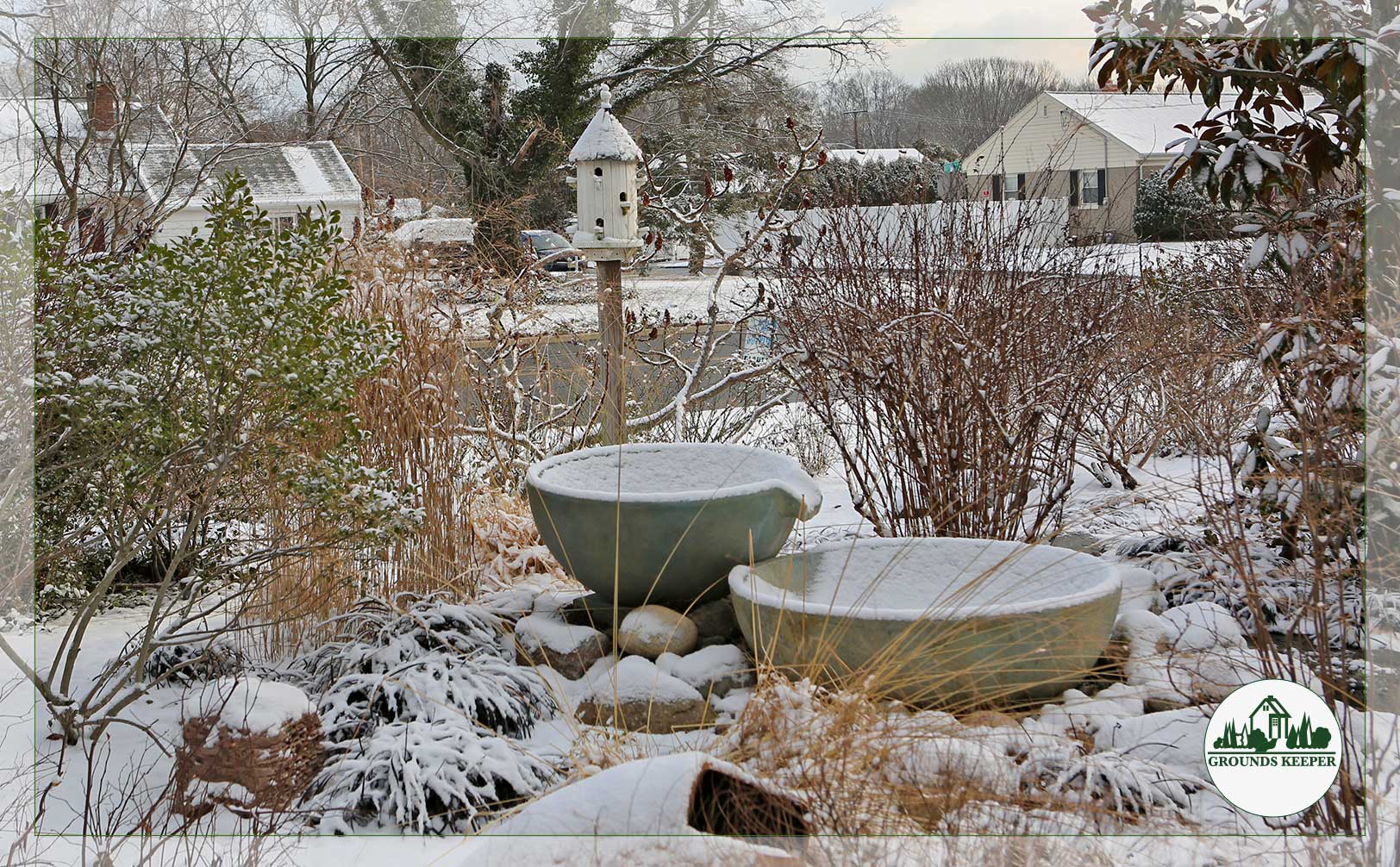
Winter gardens don’t always get the credit they deserve.
They’re photographed in black and white, as if their only job is to exist as a showcase for snow. They’re left bare, as if their only hope lies in waiting for the first tulips to peek through hard ground. They’re quietly ignored until spring returns with color and drama.
And they’re dismissed as silent and dull.
But step outside on a cold New Jersey morning, pause for a moment, and you’ll notice something surprising.
It isn’t silent at all.
In fact, winter may be the most musical season your garden has.
 The Sounds Of Silence
Picture this.
You open your back door this winter. The air is sharp and clean. The lawn is dusted with snow, or maybe sparkling with frost. Everything looks still.
You take a few steps onto the patio and then you hear it. Wind whispering through dried grasses. The soft click and tap of bare branches overhead. Water murmuring beneath a thin sheen of ice.
Even your own footsteps join in, that familiar crunch and squeak that only winter can produce.
The garden hasn’t gone silent. It has just changed instruments.
We design gardens mostly with our eyes. Color, blooms, texture, and shape are all essential. But winter reminds us that landscapes are not only visual experiences. They are auditory ones.
Long after leaves fall and flowers fade, sound keeps going.
Live your best outdoor life
Want to explore the possibilities for your yard? What are you waiting for? Let’s talk!
Snow softens the world, muffling traffic and neighbors’ conversations. Frost stiffens plants until they answer the wind with a whisper instead of a rustle. With less foliage to absorb it, even small noises can feel more important.
Along the coast, winter wind arrives with a low roar, moving through dune grasses and over stone. Inland, wooded properties settle into a deep hush, broken only by a branch shifting or a bird calling from high in a bare oak.
Winter teaches us to listen.
 The Natural Orchestra Waiting Outside
Winter gardens offer a surprising range of sounds.
Ornamental grasses are obvious stars. Switchgrass, Miscanthus, little bluestem, and all those plants that looked decorative in fall suddenly become instruments. A breeze turns them into delicate, dancing curtains, brushing and rattling in soothing rhythms.
Bare trees join in, too. Branches tap lightly against one another. Twigs creak and settle. It is subtle, but unmistakably alive, and undeniably winter.
Then there’s the snow. Fresh powder hushes everything, absorbing sound until the world feels like it’s wrapped in a cozy shawl. When the temperature drops, that same snow becomes crisp and talkative as you stroll through your gardens.
Near the shore, winter brings a different soundtrack. Wind is more insistent, tuning the soundscape even on calm days. Grasses bow and sigh. Reeds murmur. Stones catch every whistling breeze.
Inland, bare trees offer space for sound to travel, making every footstep or falling pinecone noticeable.
And sometimes the most beautiful sound is simply the absence of noise.
 Water Quietly Steals The Show
If winter has a secret superstar, it’s water.
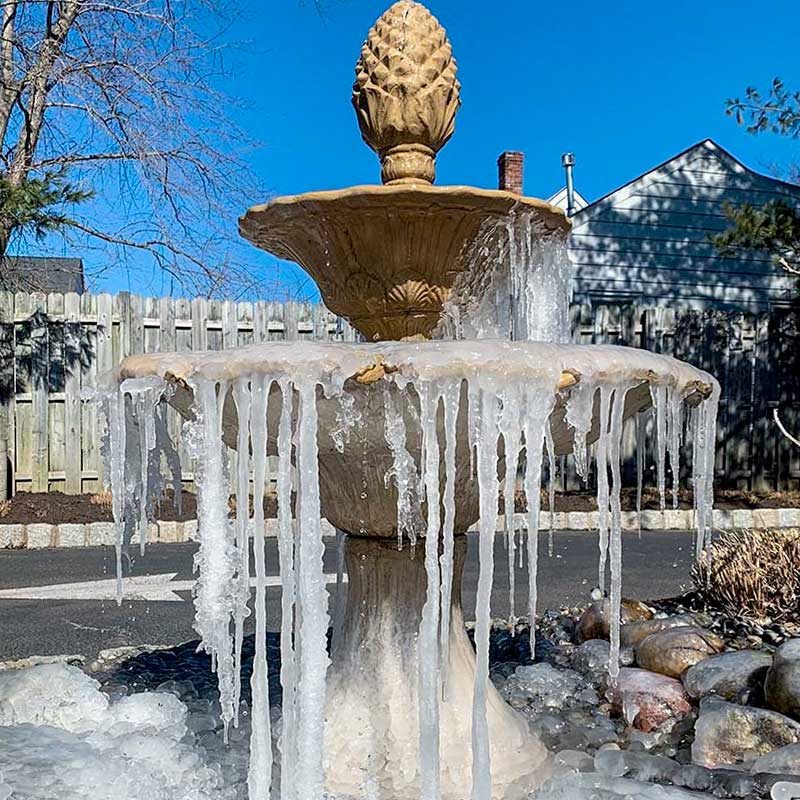
A pond that never fully freezes. The cascade of a waterfall that continues to spill over stone. A fountain designed to keep moving through cold weather.
In winter, these features transform.

Feeling inspired? Sign up to get more delivered to your inbox!
The splash becomes softer. The rhythm slows. Ice forms delicate lace around moving water, changing both the look and the sound from day to day.
On a still morning, you might hear water moving beneath thin ice. Along coastal properties, the sound of moving water can mingle with distant surf or the echo of waves against frozen shoreline. Inland, a bubbling stream can become the dominant voice in an otherwise silent garden.
These moments do not happen by accident.
Keeping water moving safely through winter takes planning. Depth, circulation, placement, and materials all matter. But when done properly, the effect is magical, a garden that speaks to you even when everything else is quiet.
 The Guests Who Never Left
Wildlife isn’t just for spring and summer. It is a welcome presence year-round, and winter does not empty the garden of delightful visitors.
Listen closely and you will hear them.
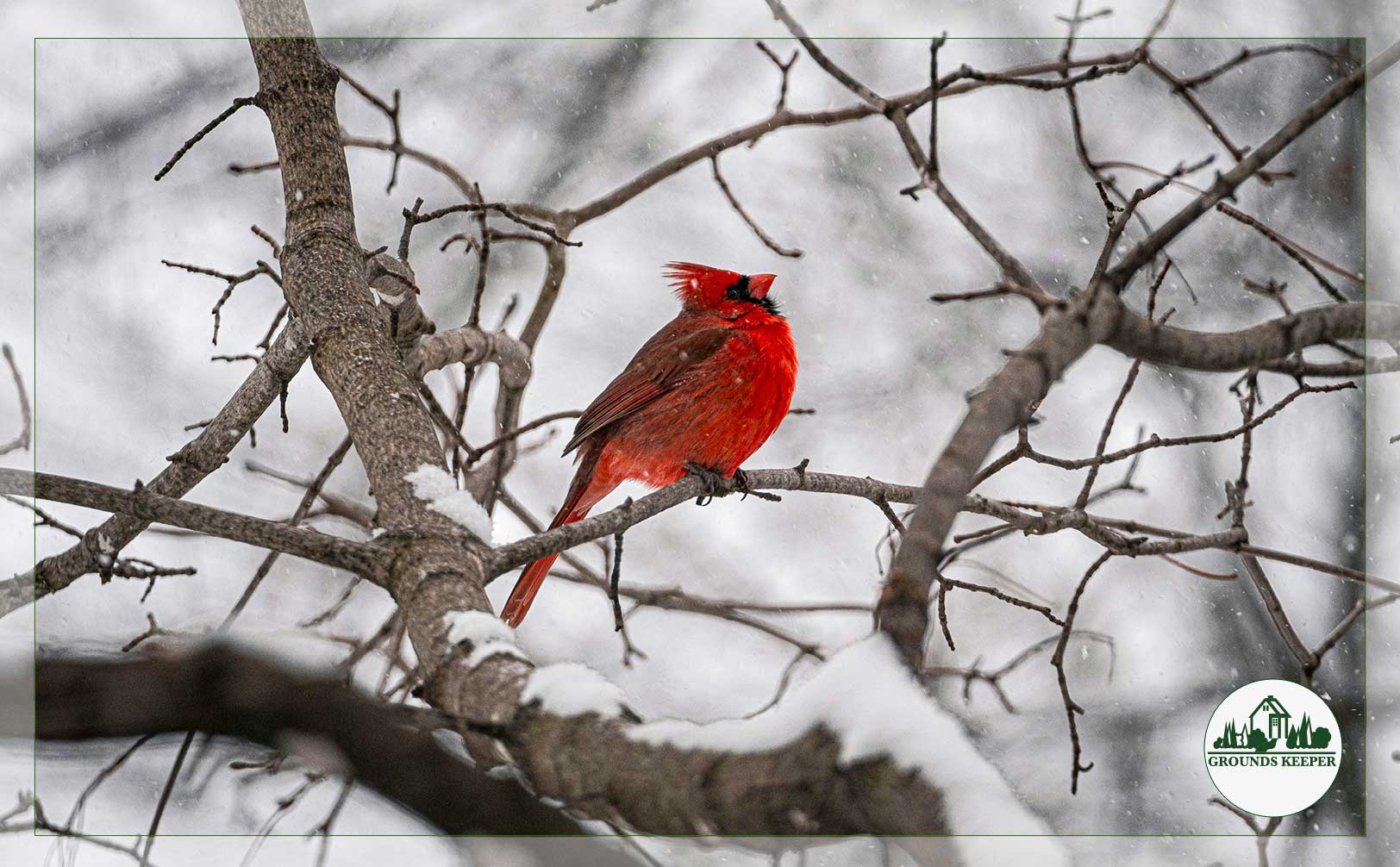
Chickadees and nuthatches calling from bare treetops. The flutter of wings as cardinals take flight from berry-laden branches. The sudden rush of sparrows erupting from ornamental grasses that looked empty a moment before.
Along the shore, gulls cry overhead and shorebirds skitter along icy edges. Inland, you might hear the soft shuffle of a rabbit moving through snow, or the determined scratching of a squirrel reorganizing its winter pantry.
Somewhere in the hedges, something small tunnels into a warm nook you thoughtfully placed months earlier.
Good planting choices turn a winter garden into a refuge. Evergreens for shelter. Seed heads left standing for food. Shrubs that hold berries long after leaves have fallen.
The result is a living soundscape and a reminder that your garden is part of a much larger ecosystem that changes and thrives all year long.
 Designing Silence
Sound in a winter garden isn’t about adding noise. It is also about creating quiet.
This is where great landscapes reveal their true elegance.
Evergreen hedges block the hum of a nearby road. A berm or stone wall deflects wind and softens traffic sounds. A bamboo screen dims neighboring noises. A courtyard captures stillness on a snowy evening.

Snow itself becomes your design friend, muffling edges and smoothing sharp sounds. Suddenly, the world beyond your property feels far away.
Along the coast, screening can turn constant winter wind into a gentle murmur instead of a howl. Inland, layered plantings can create pockets of silence that feel almost suspended in time.
This kind of quiet does not happen by chance. It comes from understanding how space, structure, and plantings work together to shape the way sound moves through your landscape.
 A Season To Enjoy, Not Endure
A lot of us are taught to treat winter as something to get through on our way to “better weather” and prettier views. We rush from house to car to office and back again. We wait. We count the days. We dream of spring.
But a garden that offers sound and stillness invites you back outside.
Coffee tastes better when you drink it on the patio, listening to water move over stone and under ice. Evening walks become welcome rituals when you know the birds will be settling into the hedges at dusk. Even refilling a feeder becomes an excuse to pause and breathe.
Winter stops being empty, just a placeholder between the boldness of fall and the riot of spring. It becomes its own quiet melody with a soundscape all its own.
The most memorable landscapes are not only the ones with the most flowers or the biggest features. They are the ones that feel alive. And that kind of experience comes from designing with all five senses in mind. Sight, sound, movement, touch, and even the scent of evergreen on a cold morning create special and unique seasonal moments to enjoy.
A truly great garden doesn’t go quiet when winter arrives.
It simply changes its music.
If you’re curious what your own outdoor space could sound like, our design pros would love to help you discover it. From selecting grasses that sing in the wind to creating water features that whisper beneath ice, we design landscapes meant to be experienced with all the senses in every season.