A pond is one of those outdoor features that occupies a strange space in your imagination. You see one that works—the soothing ripples of water, fish flashing brightly beneath the surface, plants framing the edges with color and texture—and something clicks. You want that.
Then reality crashes the party. Winter care for fish. Algae blooms that turn everything green. Predators. The nagging sense that it’ll be gorgeous for maybe three months and then what? These aren’t small concerns, and they’re not irrational. But they’re also not usually the reason ponds fail. Poor design is.
Once a pond is designed to fit your space and the way you actually live, things that seem complicated on paper become straightforward and manageable.
Let’s dig into what people worry about most when they’re considering a pond, and what actually happens when it’s done well.
 “Won’t It Just Turn Into Algae Soup?”
This is the image that haunts people. A pond so choked with algae that you can’t see the water underneath. No fish visible. No reflection. Just a murky green situation that looks more like a Halloween prop than a feature. It’s the reason a lot of people talk themselves out of the idea before they even start.
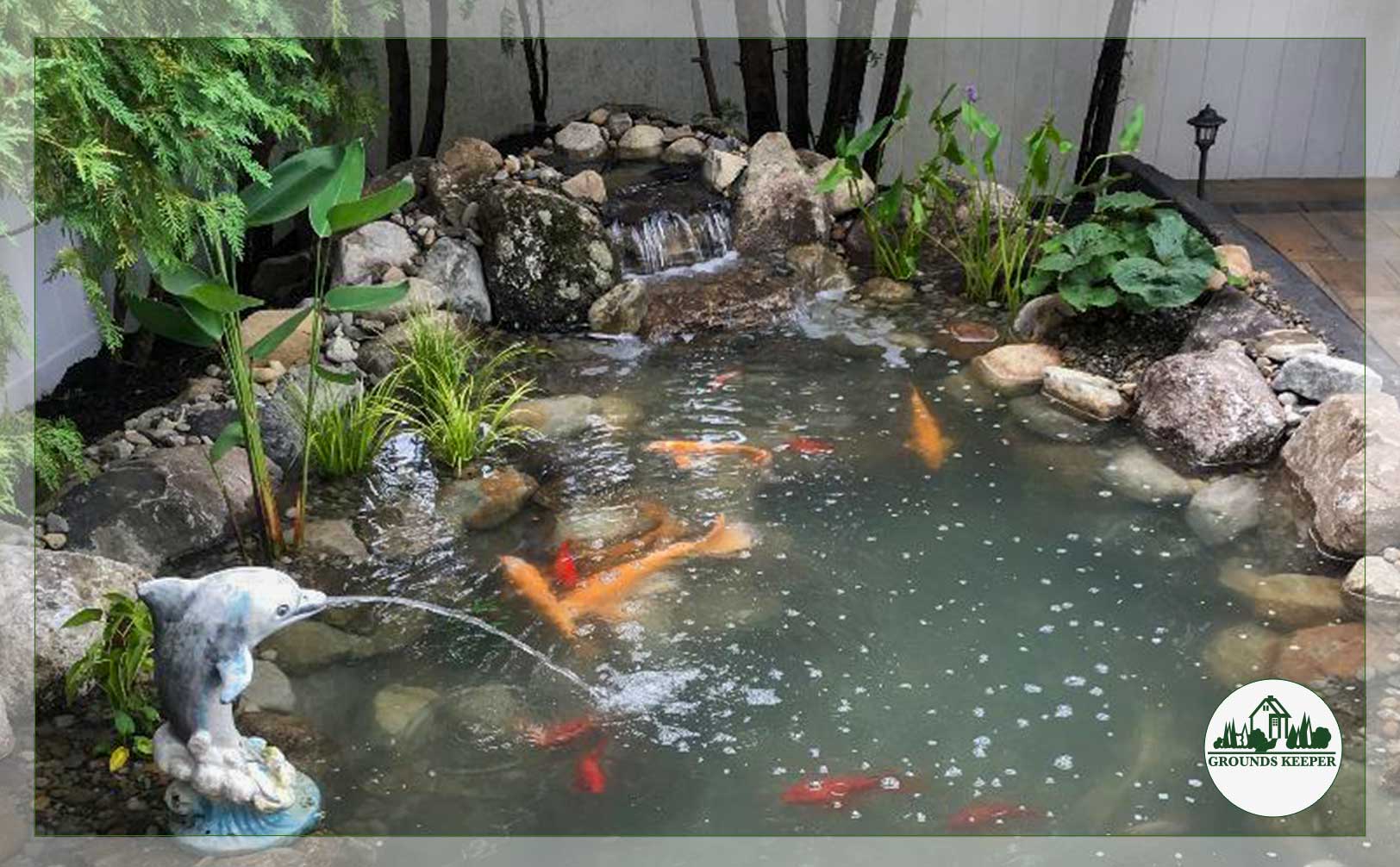
But an algae-filled pond is almost always a design problem, not an inevitable outcome. Algae thrives in certain conditions—stagnant water, excess nutrients, too much direct sun without plant cover. Address those conditions, and the algae problem disappears.
A properly built pond has movement, either through a fountain, waterfall, or bubbler, that keeps water from sitting still. It’s balanced with aquatic plants that consume nutrients before algae can take over. It’s positioned so that some areas get sun and some get shade, which prevents the water from becoming an algae breeding ground.
And yes, there’s seasonal maintenance, but it’s the kind that keeps things in balance, not the kind that involves scrubbing pond scum off every surface.
The clarity you’re picturing isn’t the result of constant effort or expensive chemicals. It’s the result of a pond that’s designed to regulate itself.
 “Won’t Predators Just Eat All The Fish?”
This worry usually arrives with a specific image: a heron standing perfectly still at the pond’s edge, eyeing your prized koi like it’s at an all-you-can-eat buffet. It’s a legitimate concern. Herons, egrets, and raccoons are real, and they do love fish. The idea of investing in a pond only to watch wildlife turn it into a hunting ground can feel unnerving.
Dive into the aquatic life!
Want to explore the possibilities for adding a pond (or upgrading the one you have)? What are you waiting for? Let’s talk!
But predator management isn’t about elimination or constant vigilance. It’s about placement and smart design. A properly built pond accounts for predators from the start, and most of the solutions are woven right into the landscape.
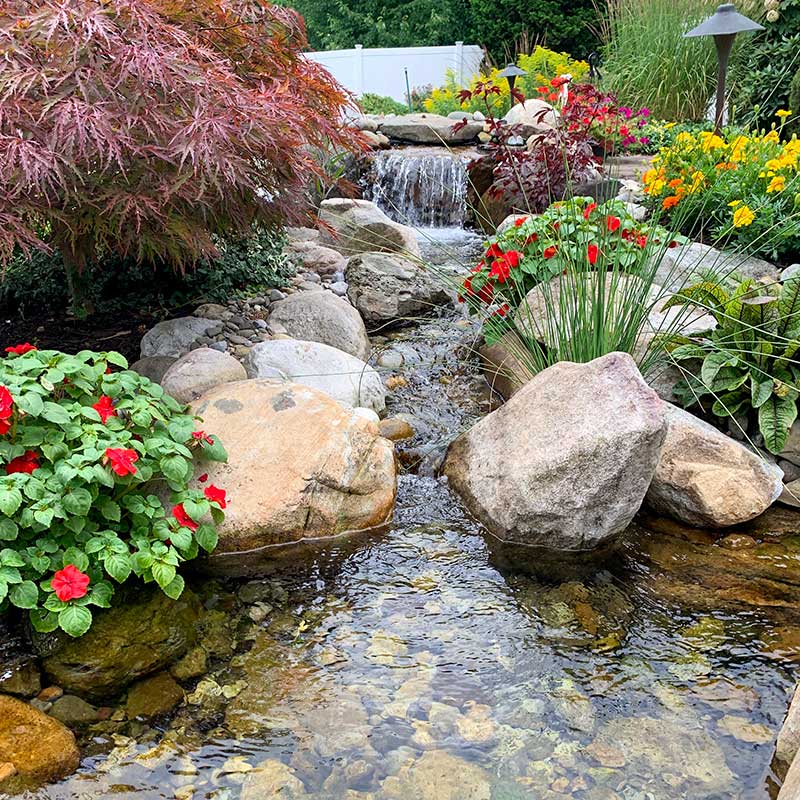
Deeper areas provide refuges where fish can escape to safety if a predator shows up. Fish learn quickly where the safe zones are, and predators move on to easier targets.
Strategic placement of rocks, plants, and overhanging vegetation creates cover and makes the pond less appealing as a hunting spot.
Bamboo edging not only looks good but removes the stable footing predators need to strike effectively. Motion-sensor water spouts can startle them into flight. And if you’re feeling sassy, a partially-submerged crocodile decoy sends a pretty clear message: this pond is already spoken for.
These strategies are remarkably effective. When a pond is designed with predators in mind, your fish have genuine protection, and you get to enjoy the wildlife activity without the anxiety.
 “It Seems Like Constant Maintenance.”
Maintenance is where a lot of pond fantasies go to die. The mental image usually involves endless cleaning, weekly water tests, and constant tinkering to keep things balanced. It sounds exhausting before the first fish even arrives.
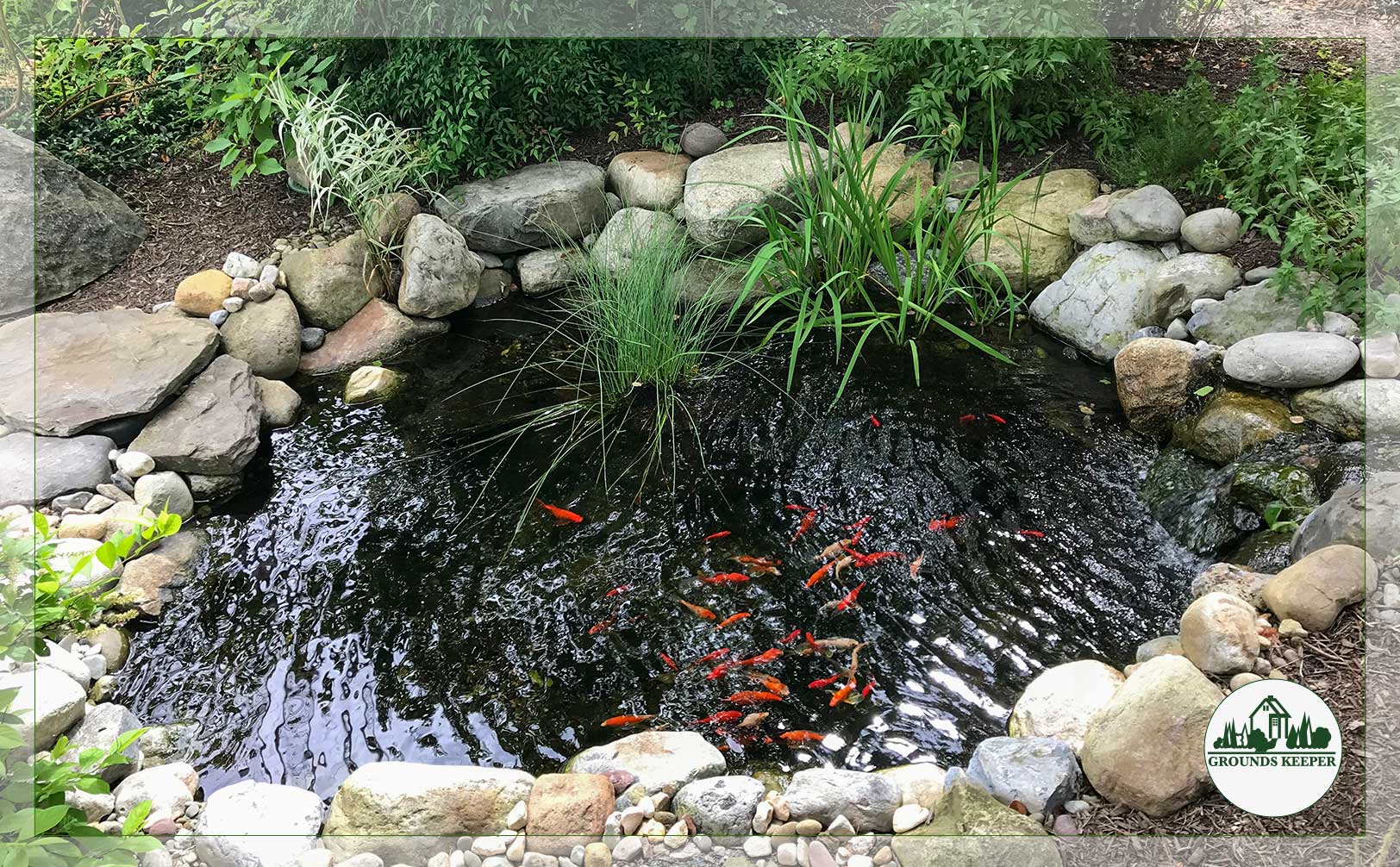
The reality is gentler. Yes, a pond requires attention. Spring cleaning, summer monitoring, fall prep, winter considerations. But “seasonal attention” is very different from “constant maintenance.” A properly balanced pond doesn’t demand daily fussing. It asks for thoughtful care at key moments in the year.
The work itself is usually straightforward: removing debris, checking water levels, adjusting plants, maybe adding treatments if something’s out of balance. It’s the kind of outdoor work that many people actually enjoy once the pond is established. It’s rhythmic, it connects you to the seasons, and you see immediate results.
Maintenance only becomes a burden when a pond is poorly designed for its surroundings. A pond that’s too small, positioned in the wrong spot, or without proper plant balance will fight you constantly. But a properly built pond integrates into your outdoor routine more enjoyably than, say, constant lawn mowing ever does.
Maintenance becomes part of the rhythm of caring for your landscape, not a separate project that’s always demanding attention. In the meantime, you can dip your toes into the water and watch your koi eat watermelon right from your hand.
 “We’d Have To Bring The Fish Inside Every Winter.”
Winter pond care gets a reputation for being complicated, and somewhere along the way, people started believing that fish can’t possibly survive winter outdoors. The mental image of draining the pond, relocating fish to indoor tanks, dealing with the logistics of temporary housing, then reversing the whole process come spring is truly stressful. No wonder people hesitate.
But if that were actually necessary, only a few hardy souls would ever own a pond. The reality is much friendlier.

Feeling inspired? Sign up to get more delivered to your inbox!
Fish like koi and goldfish don’t need to come inside. They’re designed to survive in a dormant state until spring. As long as the pond is deep enough, has adequate oxygen, and isn’t exposed to wild temperature swings, your fish will be fine. They might not be active, but they’re safe and stable.
That said, a pond that weathers winter safely and beautifully does require thoughtful planning. A properly built pond has adequate depth so it doesn’t freeze solid. It has aeration or a hole in the ice to allow oxygen to circulate and gases to escape. These aren’t complicated additions. They’re standard elements of a pond that’s built for all four seasons.
The payoff is a winter-hardy pond that doesn’t add complexity to your life. No feeding, no algae scrubbing, no panic. You just let it rest the way it’s meant to.
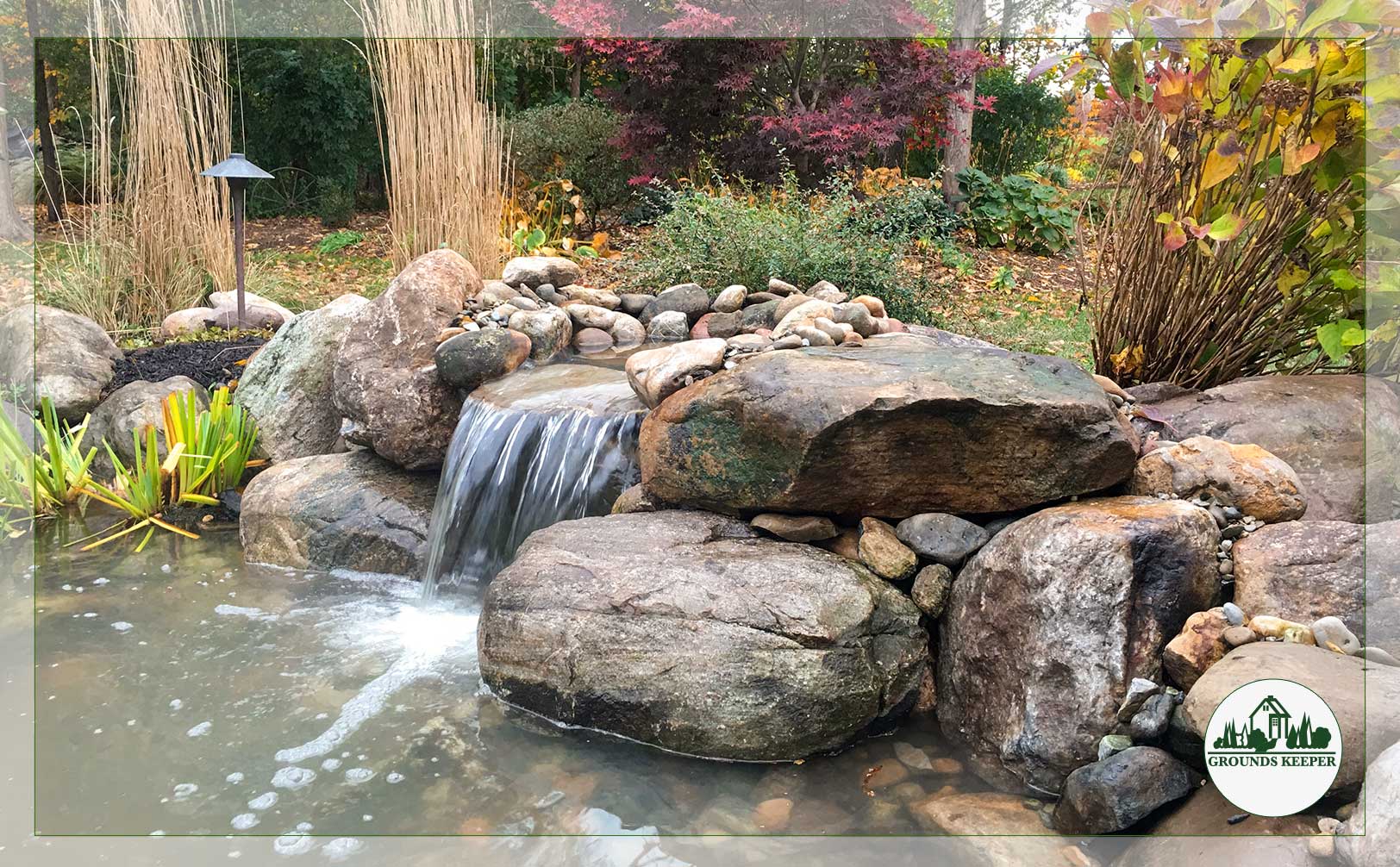 “It Will Only Be Enjoyable For A Few Months.”
This worry usually comes wrapped in logic. Why invest in something you can only really use in summer? Spring’s unpredictable, fall gets cold fast, and winter is just sad. You’d get maybe three good months out of it, right?
What gets overlooked is that a pond isn’t a seasonal feature like a swimming pool. It’s not about when you can use it. It’s about what it does for your landscape and your experience of being outside year-round.
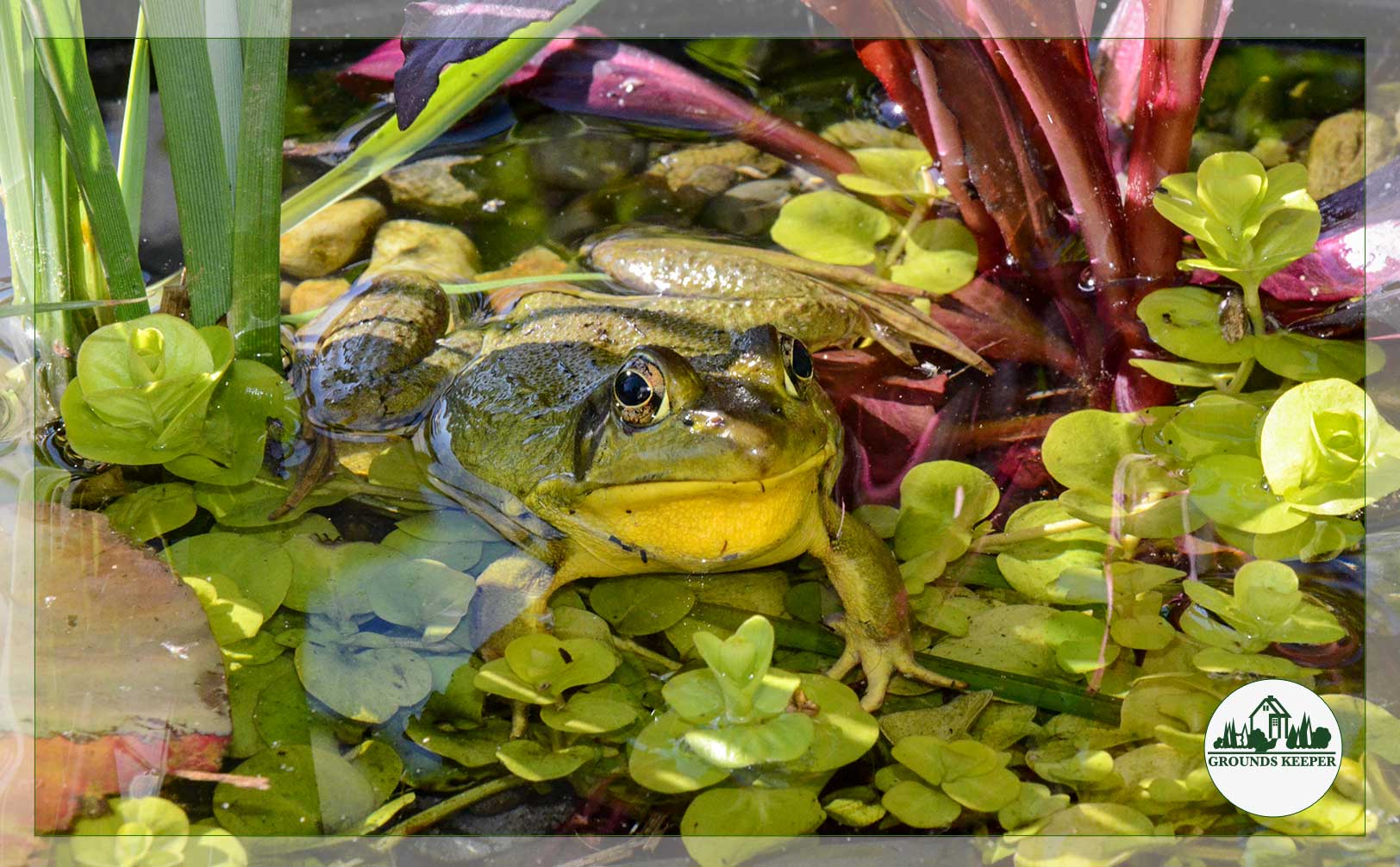
Spring brings movement and sound as water flows again. Frogs arrive. Plants start growing. There’s a vibrance to a pond in spring that makes you feel more alive just stepping outside.
Summer is the obvious payoff. Clear water, thriving plants, playful fish, the full ecosystem in action.
Fall offers something subtler. The changing light on water, the way plants shift color, the sense of transition as colorful autumn leaves swirl in eddies and collect at the edges.
Winter might seem quiet, but it’s far from empty. Ice formations on waterfalls and bubblers are beautiful. Stillness has its own kind of appeal. Even wildlife uses the pond differently in winter, relying on it for shelter and a water source when everything else is frozen.
A properly built pond gives you a reason to notice the seasons changing. That’s what makes it worth the investment.
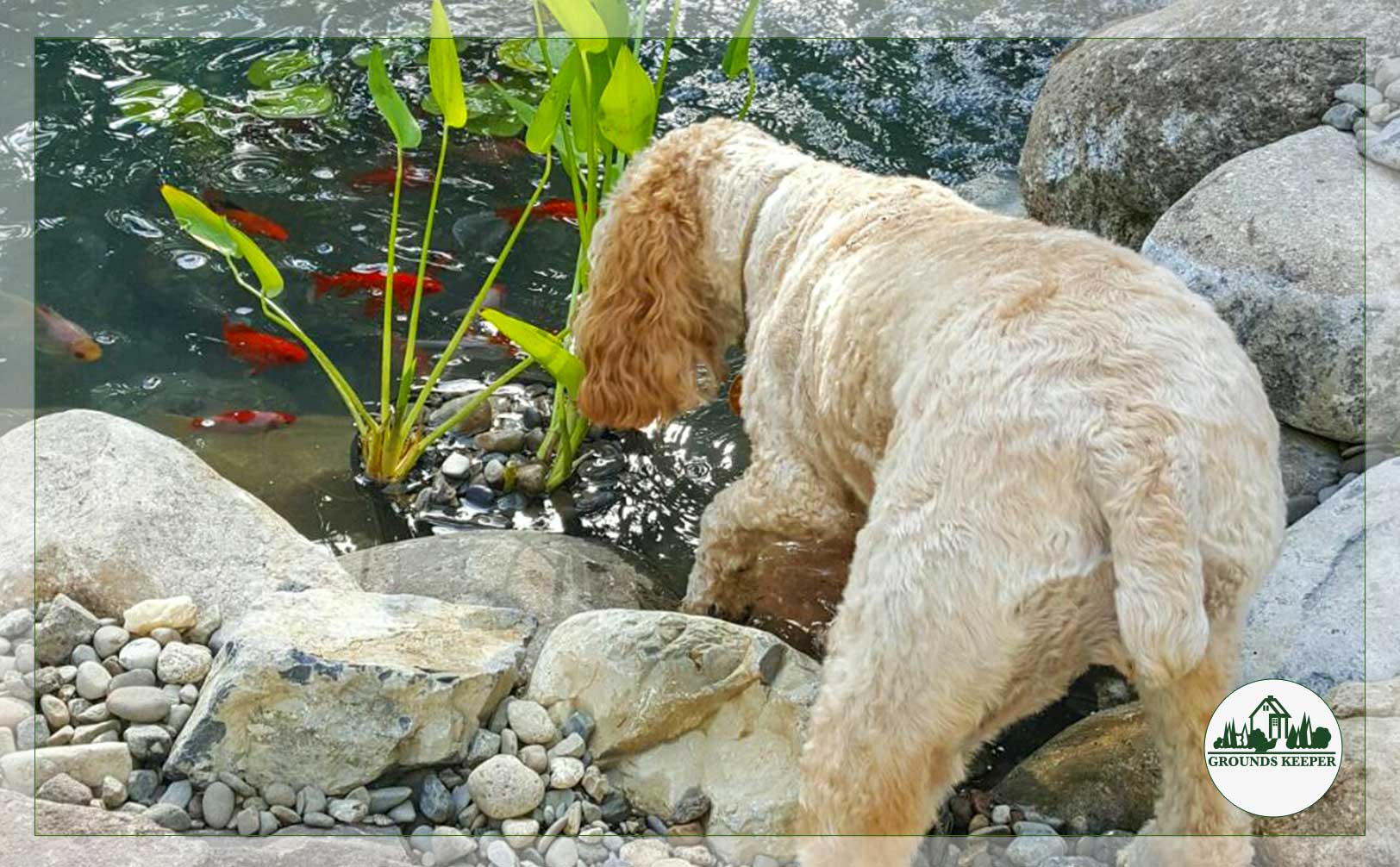 “We’re Worried About Safety With Kids And Pets.”
Open water and young children in the same yard can feel like a risk equation that doesn’t add up. Add pets into the mix and anxiety multiplies. It’s hard to enjoy a feature when you’re braced for disaster.
Safety is legitimate to think about, but it’s also something that responsible design handles from the beginning. A professionally designed pond accounts for depth, circulation, and placement in ways that minimize actual risk while letting you relax.
The pond itself can be designed at varying depths—shallow areas near the edges mean a child who stumbles in isn’t in immediate danger. In fact, many people use their ponds as a wading and swimming spot.
Strategic placement can set it away from main traffic patterns so it isn’t an obstacle you’re constantly navigating around.

Edging, plants, and landscape flow create natural boundaries that guide movement without feeling restrictive or unsafe. The entire setup is designed so that safety is built in, not something you have to police constantly.
Good design creates a space where the presence of water feels peaceful rather than precarious. When a pond is integrated thoughtfully into your landscape, it becomes a feature you can enjoy for seasons and years to come.
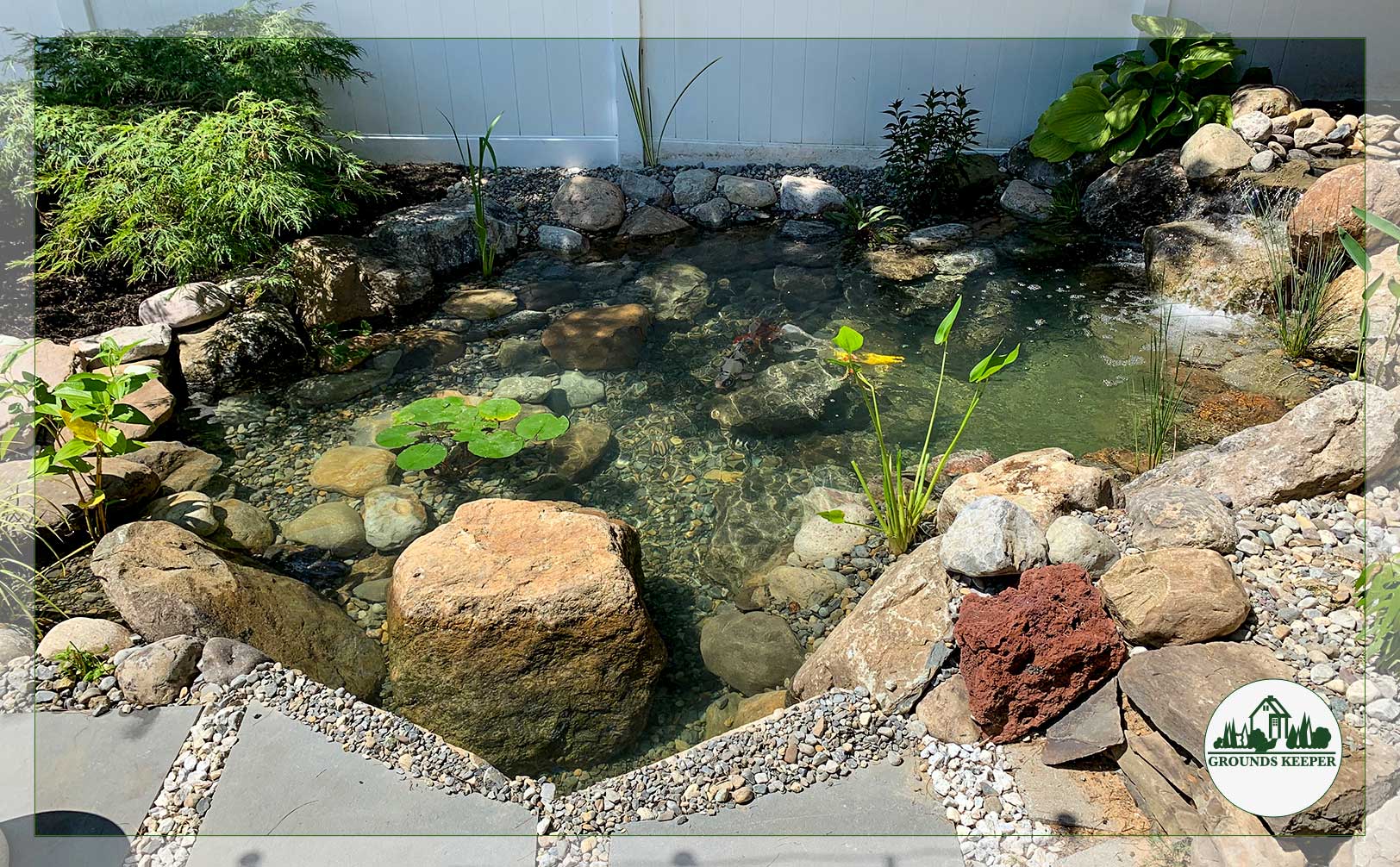 “We Don’t Have The Space.”
Less of a concern than a casual dismissal, this one comes with a mental picture of vast, manicured grounds with a sprawling pond as the centerpiece. It can feel like ponds are a luxury for people with land to spare, and if your yard is average-sized or already crowded, a pond doesn’t seem realistic.
In reality, ponds are far more adaptable than they get credit for. They don’t need to dominate the yard or become the focal point of everything. A well-designed pond can work in surprisingly modest spaces, filling an underused corner, anchoring a specific area, replacing an eyesore, or creating a destination in a section of the yard that’s already part of your routine.
Scale and proportion matter far more than size. A smaller pond that fits naturally into the landscape will always feel better than a large pond squeezed awkwardly into a space.
The issue isn’t usually a lack of space. It’s about how to use the space that exists.
Professional design looks at how your yard actually functions and how you naturally spend time outside. When those pieces fall into place, a pond stops feeling like an afterthought and starts feeling like it belongs there.
 Sounding A Little More Possible Yet?
A pond collects objections and concerns because it sits somewhere between practicality and desire. It’s a living feature. It requires thought. It’s easy to worry about whether the reality will match the vision.
When concerns about winter care, predators, maintenance, safety, seasonality, and space are addressed through careful planning, a pond stops feeling like a risky investment and starts feeling like a natural extension of your landscape and lifestyle. Not something that demands constant attention, but something that gives you the reason you need to enjoy the outdoors more through every season.
If you’re curious about how a pond can work in your landscape, a design consultation is the best place to start. We’ll talk through how you live, how your space functions now, and how a pond can add to your enjoyment of being outside. The right design doesn’t just address your doubts. It makes them disappear.