By the time August rolls around, summer can start to feel…well, a little tired.
The hanging baskets aren’t as fresh as they were in June. Spring bloomers have taken a well-earned break. Even the lawn seems to be asking for a vacation.
But your landscape doesn’t have to fade along with the season.
In fact, some of the garden’s best performers are just getting started. Whether you’re looking for fragrant blooms, bold color, pollinator favorites, or plants that keep your landscape interesting well into fall, there are plenty of options that shine when other plants are slowing down.
Here are eight of our favorite late-summer bloomers for New Jersey gardens.
 1. Summersweet
If there were an award for “Most Pleasant Surprise,” Summersweet would be a strong contender.
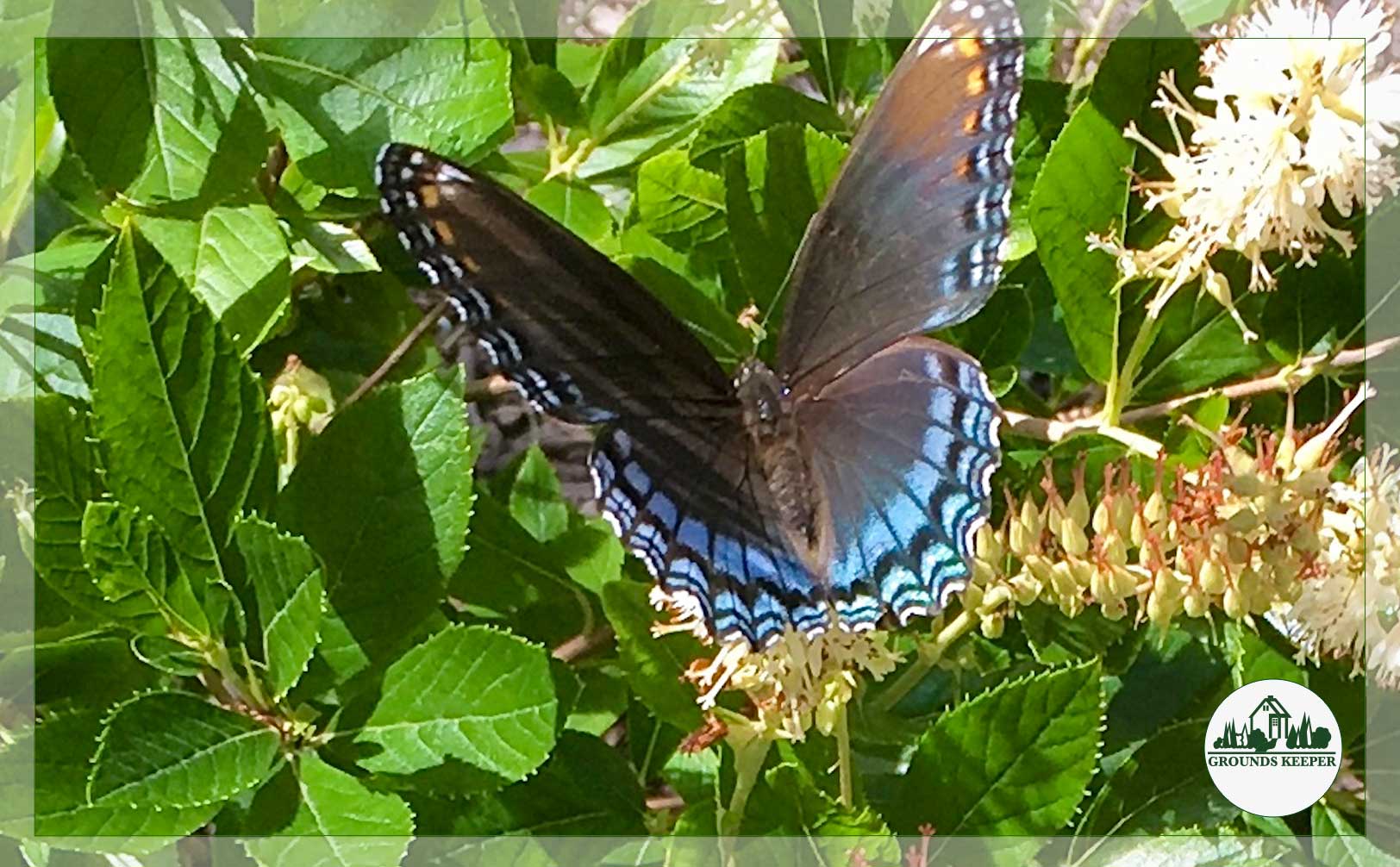
Just when many shrubs have finished flowering, this native beauty sends up spikes of white or pink blossoms that burst with bold color and a heavenly fragrance in mid to late summer. The sweet scent is hard to miss, and butterflies, bees, and hummingbirds find it just as delightful as you will.
Summersweet is also impressively adaptable. It thrives in partial shade but handles full sun if the soil stays moist. It naturally grows near streams and wetlands, making it a great choice for rain gardens, woodland edges, or those pesky damp spots where other plants struggle. Once established, it’s also easy to maintain.
Summersweet is late-summer’s proof that sometimes the most unassuming plants can steal the show.
 2. Hydrangea
Hydrangeas may be the stars of early summer, but many varieties continue putting on a spectacular performance well into August and September.
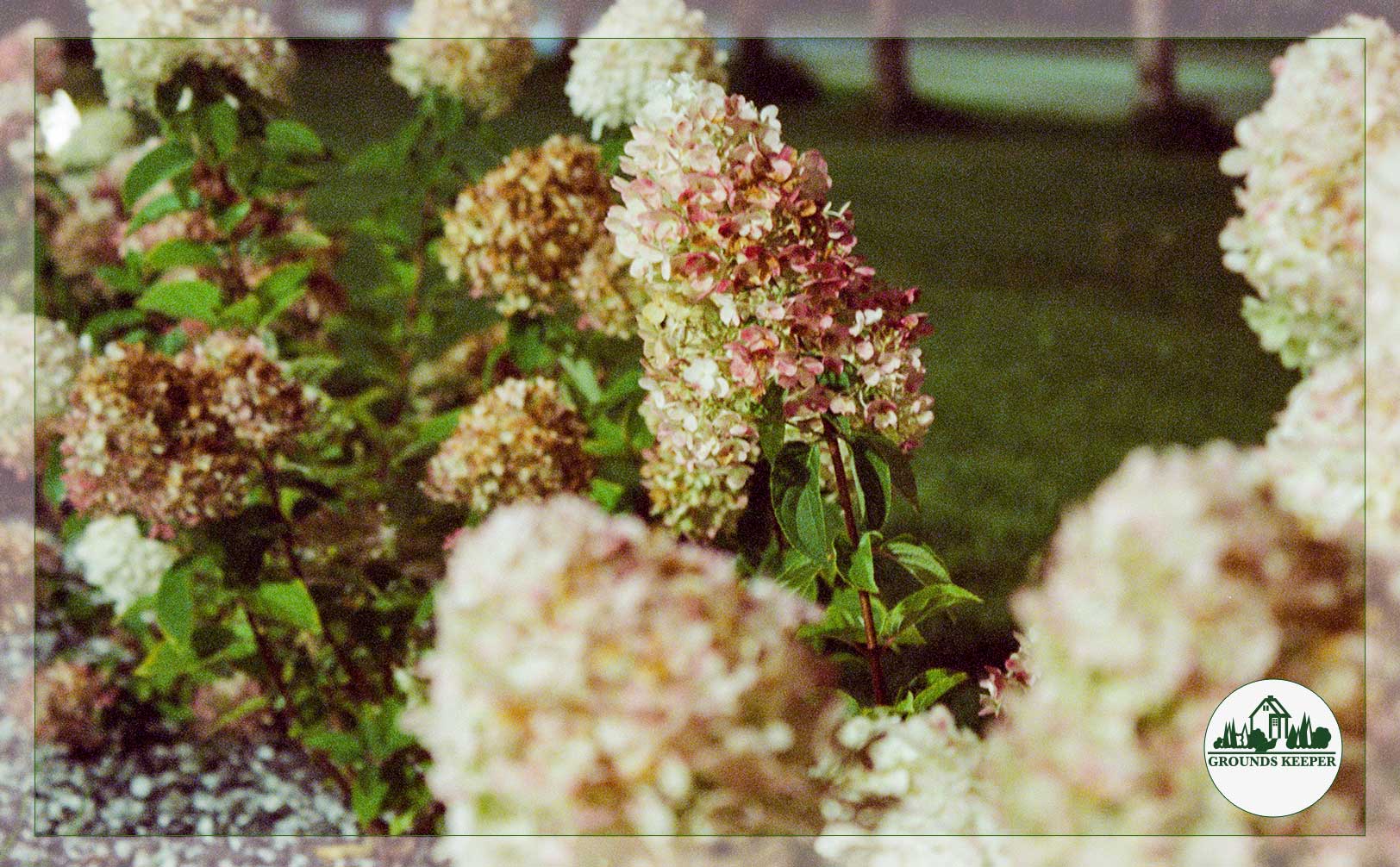
Panicle hydrangeas, in particular, keep the show going with huge flower clusters that shift from creamy white to soft pink and even burgundy as the season progresses. It’s almost like getting different blooms from the same plant.
Most hydrangeas appreciate morning sun with afternoon shade, although panicle varieties tolerate more sun than many people realize. Moist, well-drained soil helps them look their best.
They’re natural focal points in gardens, perfect in mixed shrub borders, or anywhere you want dependable color that lasts for months.
Live your best summer
Want to explore the possibilities for a stunning, vibrant summer garden? What are you waiting for? Let’s talk!
 3. Russian Sage
Some plants demand attention. Russian sage earns it without even trying.
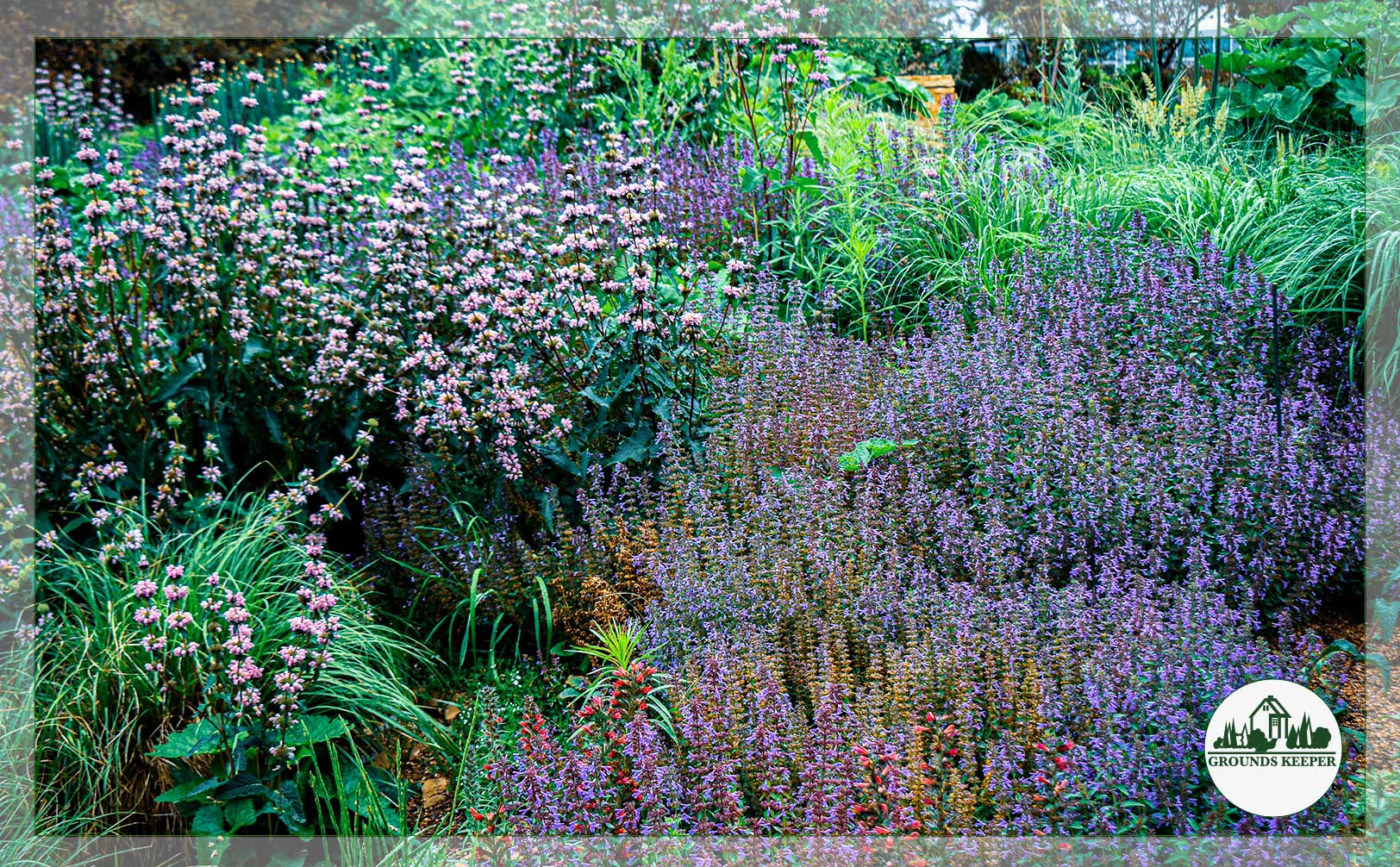
Its airy clouds of lavender-blue flowers seem to float above silvery foliage, adding movement and softness that contrasts with bolder flowers nearby. It’s especially striking when a breeze catches the stems, when it will perform its most impressive summer ballet.
Russian sage loves full sun and well-drained soil. In fact, it prefers things on the drier side once established, making it a smart choice for hot, sunny locations where fussier plants might struggle.
Pair it with ornamental grasses, coneflowers, or black-eyed Susans for a relaxed, meadow-inspired look that practically hums with pollinators.
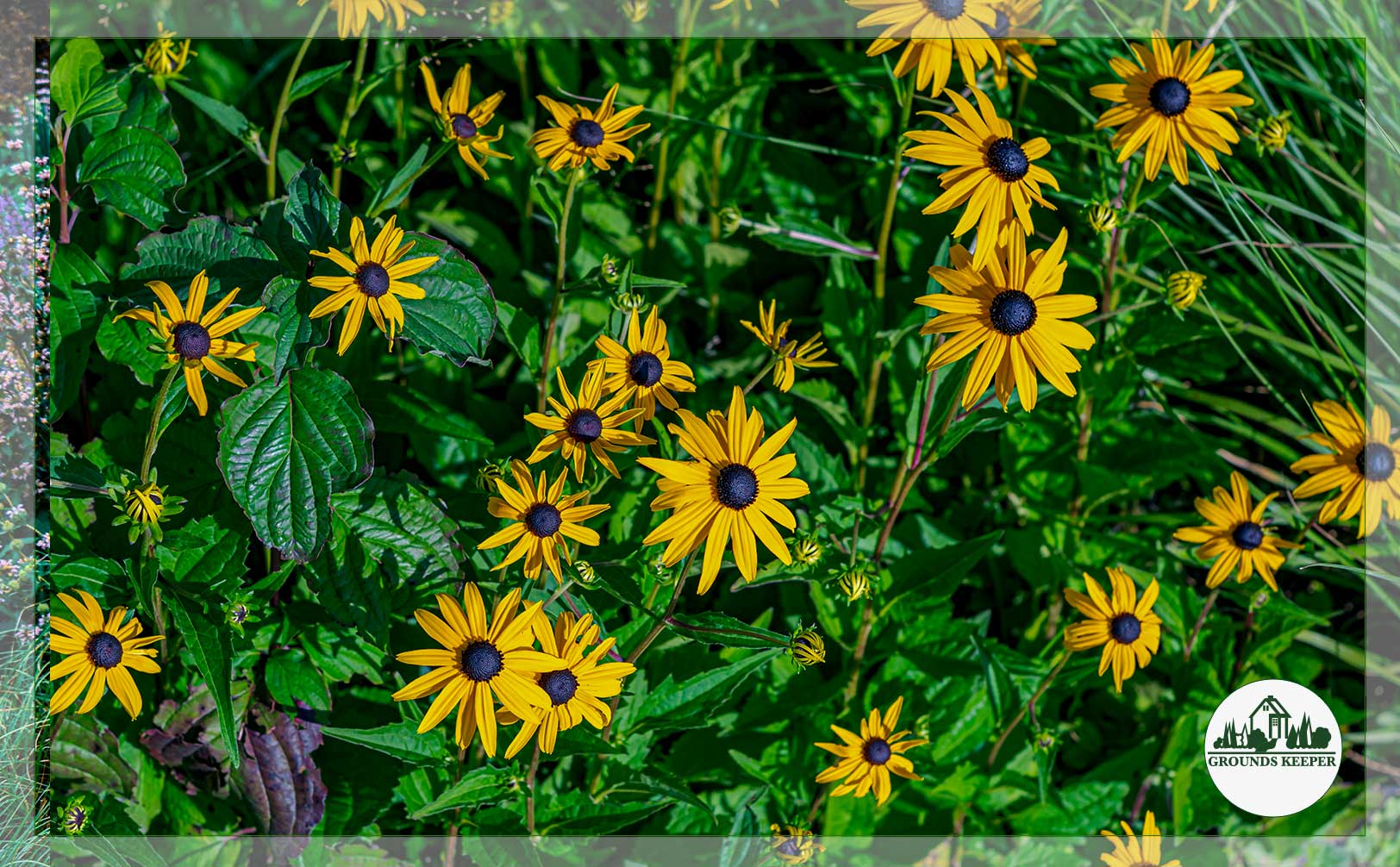 4. Black-Eyed Susan
Some flowers simply feel like summer and black-eyed Susans are one of them.
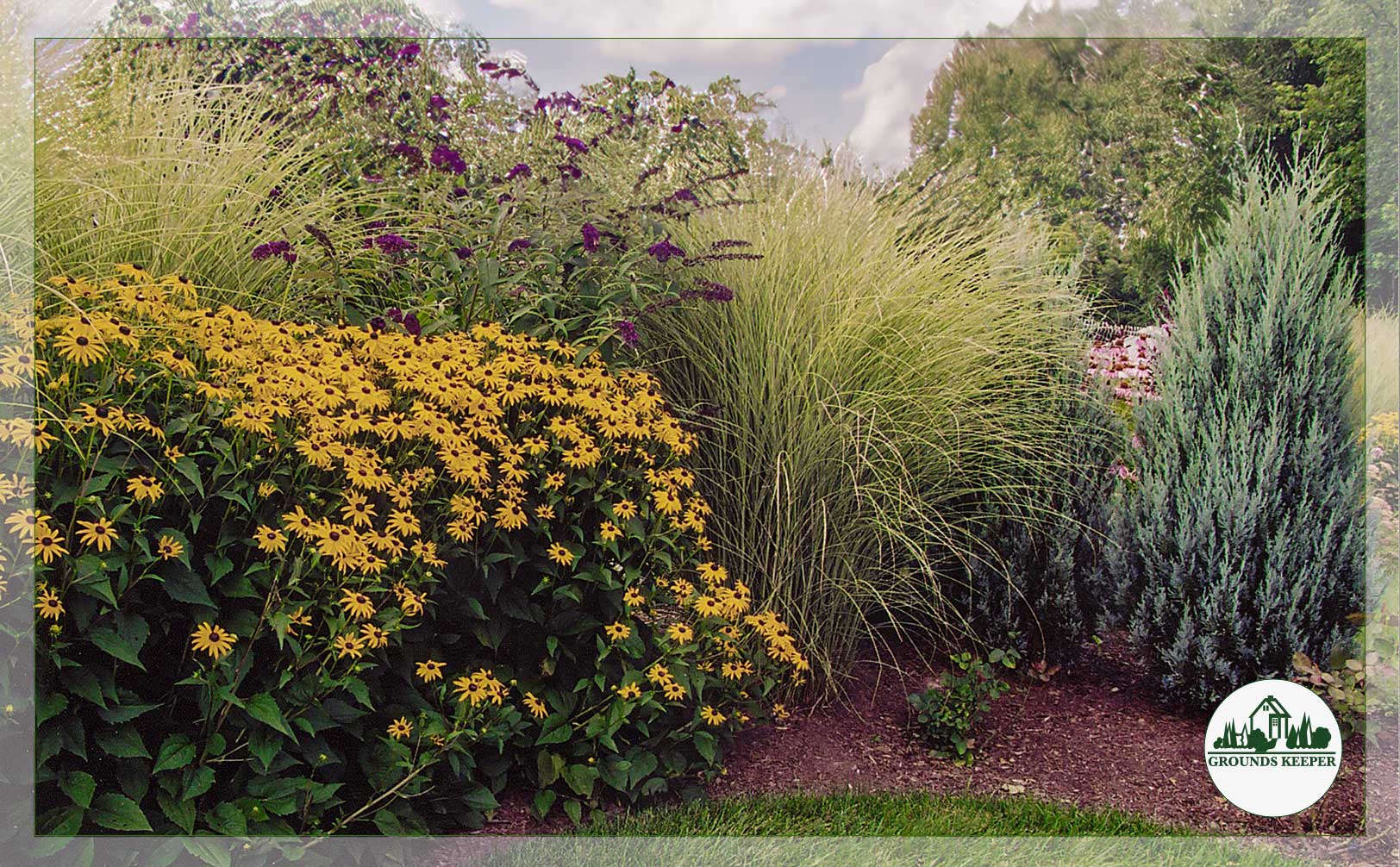
Their cheerful golden petals and dark centers brighten your garden from midsummer into early fall, creating that classic sunny look that never seems to go out of style. As a North American native, they’re also magnets for bees and butterflies.
These hardy perennials thrive in full sun and tolerate a wide range of soils as long as drainage is decent. They’re incredibly forgiving, which makes them a favorite for gardeners of every experience level.
They’re equally at home in cottage gardens, mixed wildflower beds, perennial borders, or anywhere you want cheerful blooms that want appreciation for their beauty instead of constant attention to their upkeep.

Feeling inspired? Sign up to get more delivered to your inbox!
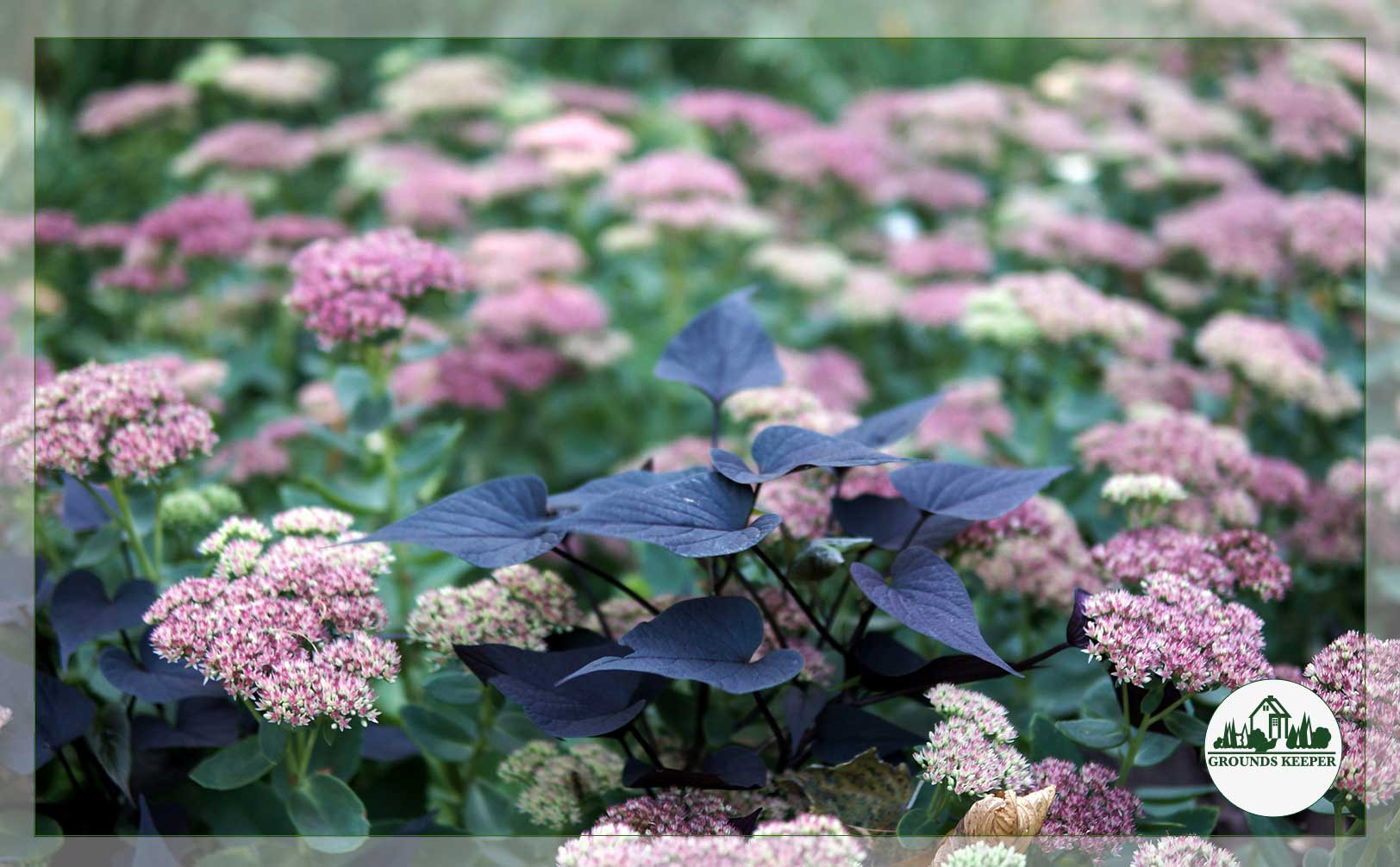 5. Sedum ‘Autumn Joy’
Few plants understand the assignment quite like Autumn Joy sedum.
Its succulent foliage looks attractive all season, but the real event begins in late summer when broccoli-like flower heads slowly transform into rosy pink blooms before deepening into rich copper tones through autumn.
It loves full sun, good drainage, and doesn’t mind dry conditions. Overwatering is far more likely to be a problem than underwatering, which makes it ideal for those hot dog days of late summer.
Autumn Joy fits beautifully into rock gardens, sunny borders, pollinator gardens, and modern landscapes where its sculptural form adds interest long after many flowers have faded.
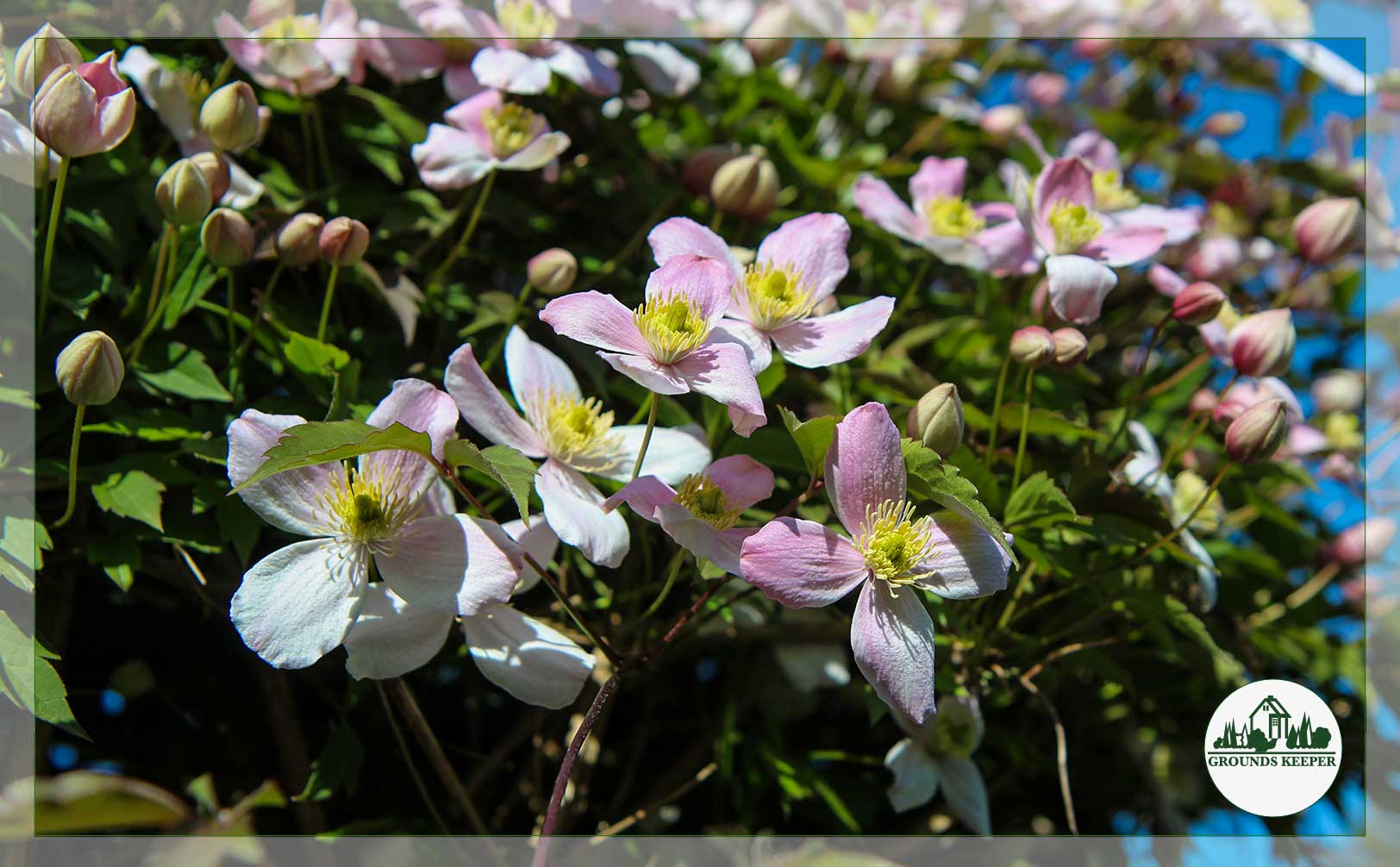 6. Clematis
Think clematis is just a spring flower? You might be surprised to learn that several varieties bloom beautifully in late summer, adding vertical color exactly when climbing plants often look a little wilted.
Depending on the variety, you’ll find everything from rich purples and vivid pinks to crisp whites and deep reds. These flowers climb fences, trellises, pergolas, mailboxes, and arbors with elegance and ease.
Clematis generally prefers full sun on its vines while keeping its roots cool and shaded, which actually makes it the perfect companion to cozy seating areas and sheltered nooks where it can thrive above, and nestle happily below.
It’s an easy way to add height, color, and a touch of romance just when your garden needs it most.

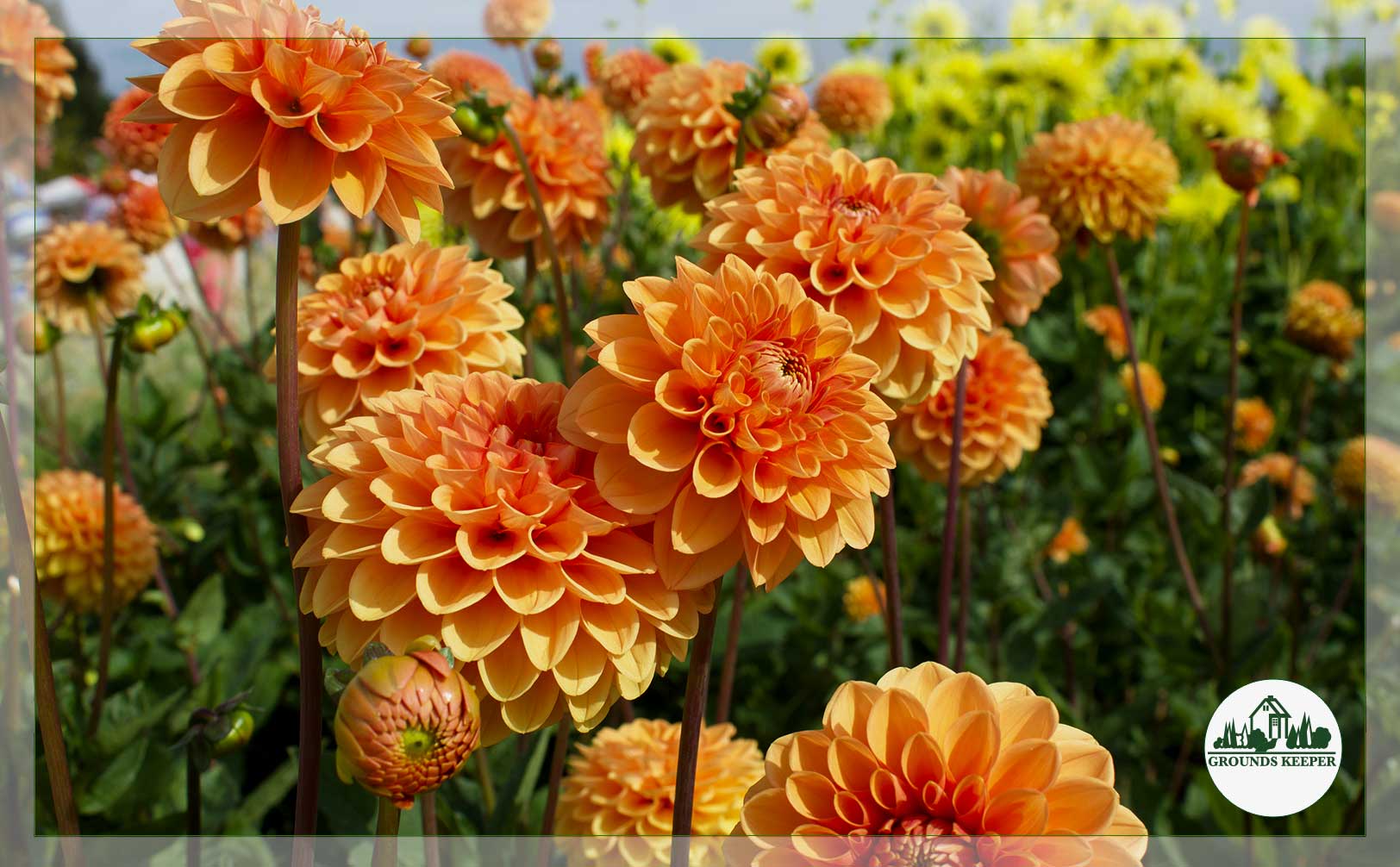 7. Dahlia
If flowers had personalities, dahlias would definitely be extroverts.
Their blooms come in an astonishing range of sizes and colors, from neat little pom-poms to dinner-plate flowers that can stop anyone in their tracks.
Dahlias thrive in full sun with rich, well-drained soil and regular watering during the hottest part of summer. In New Jersey, they typically bloom from midsummer until first frost, which means they often deliver some of the longest-lasting color in the garden.
They’re spectacular in cutting gardens, containers, along sunny borders, and anywhere you want that extra “wow” factor.
Just don’t be surprised if neighbors suddenly find reasons to walk past your yard.
 8. Gladiolus
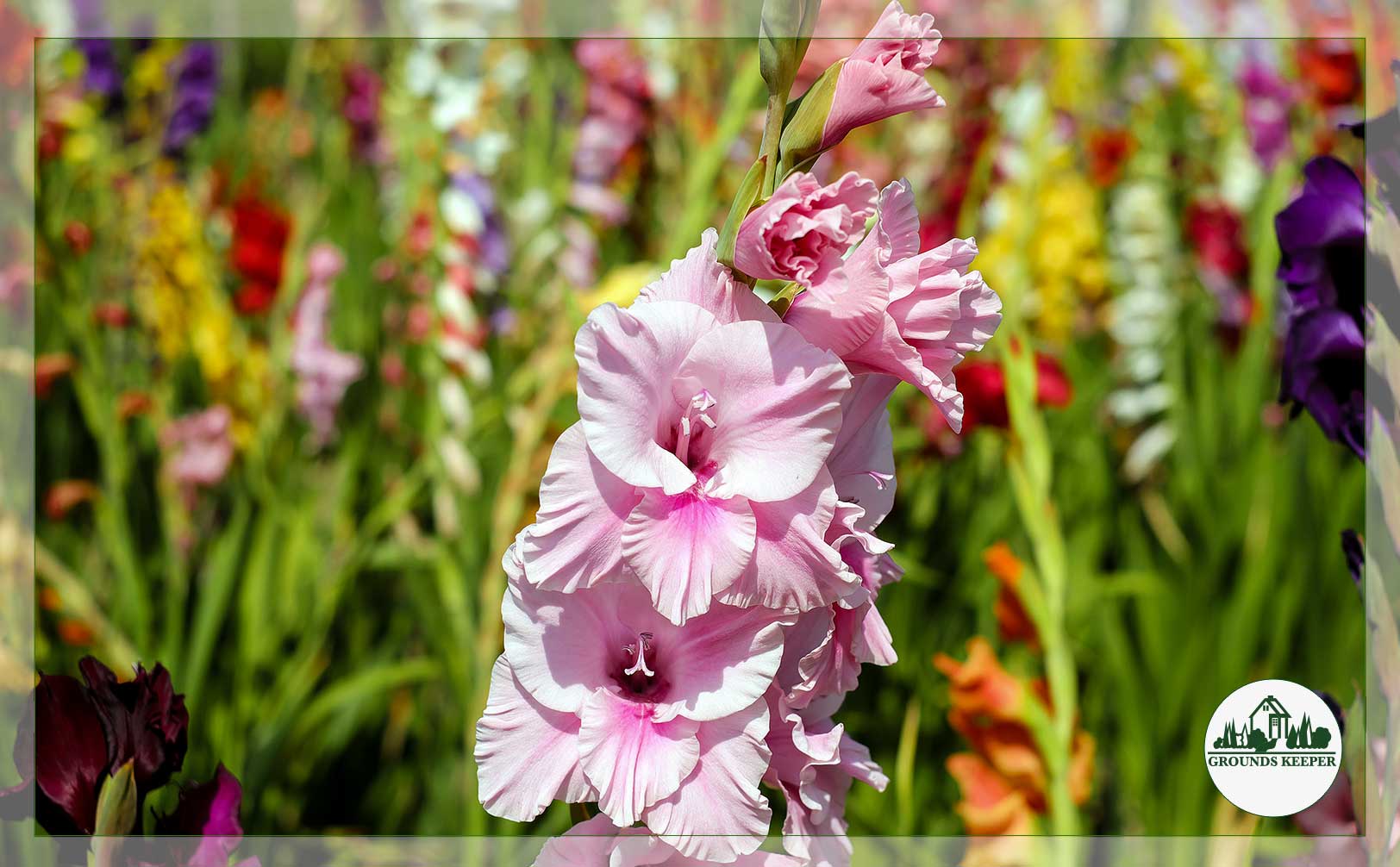
This one has a special place in the heart of late summer. It’s August’s birth flower, and it certainly knows how to make an entrance.
Tall flower spikes rise above sword-like foliage, opening one bloom after another from the bottom up in brilliant shades of red, pink, yellow, purple, white, and nearly everything in between.
Gladiolus thrives in full sun and well-drained soil. They grow from corms, which are much like bulbs. If you plan ahead and plant them every week or two throughout the spring, you’ll enjoy waves of colorful blooms stretching well into late summer.
Their dramatic height makes them excellent additions to the back of perennial borders, cutting gardens, or anywhere you want a bold vertical accent. They’re also among the most popular flowers for fresh bouquets, bringing that late-summer color indoors.
 Keep The Bloom Going
The best gardens don’t peak on one perfect weekend in June. They evolve.
By choosing plants with different bloom times, textures, and colors, your landscape stays interesting from the first spring flowers all the way into autumn. Late-summer bloomers play an important role in that story, filling a seasonal gap when many gardens begin to lose momentum.
Whether you’re refreshing an existing landscape or planning something entirely new, adding a few of these dependable performers can keep your yard looking vibrant when summer is at its warmest and right through those first crisp hints of fall.
Not sure which late-season plants are the best fit for your space? Let’s talk about how we can design a landscape that looks just as beautiful in August as it does in May.