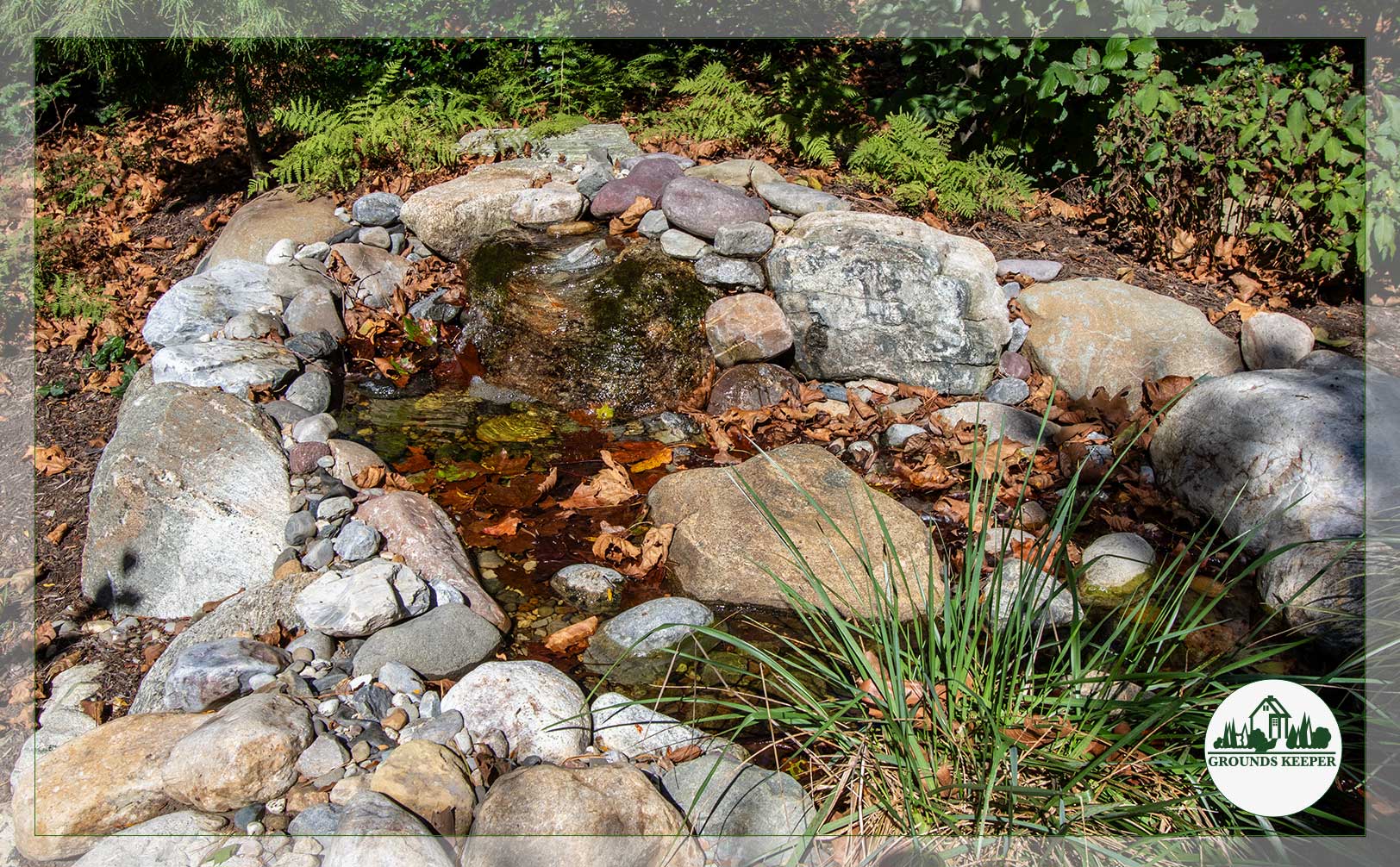
It’s a Saturday in mid October. You have a rake, a blower, a roll of paper bags, and a plan. By noon the lawn looks tidy and the curb looks like a parade of brown paper soldiers. By Wednesday the maples have dropped another round, and you’re right back where you started.
What if the leaves were never the problem?
What if they’re free mulch, a winter shelter for wildlife, and a soil builder, all delivered to your door without a bill, and you’ve been sending them away by the truckload?
What if there was a better option than spending endless hours raking, bagging, repeating? One that actually made your landscape more beautiful, and freed up time so you could get out and enjoy it more?
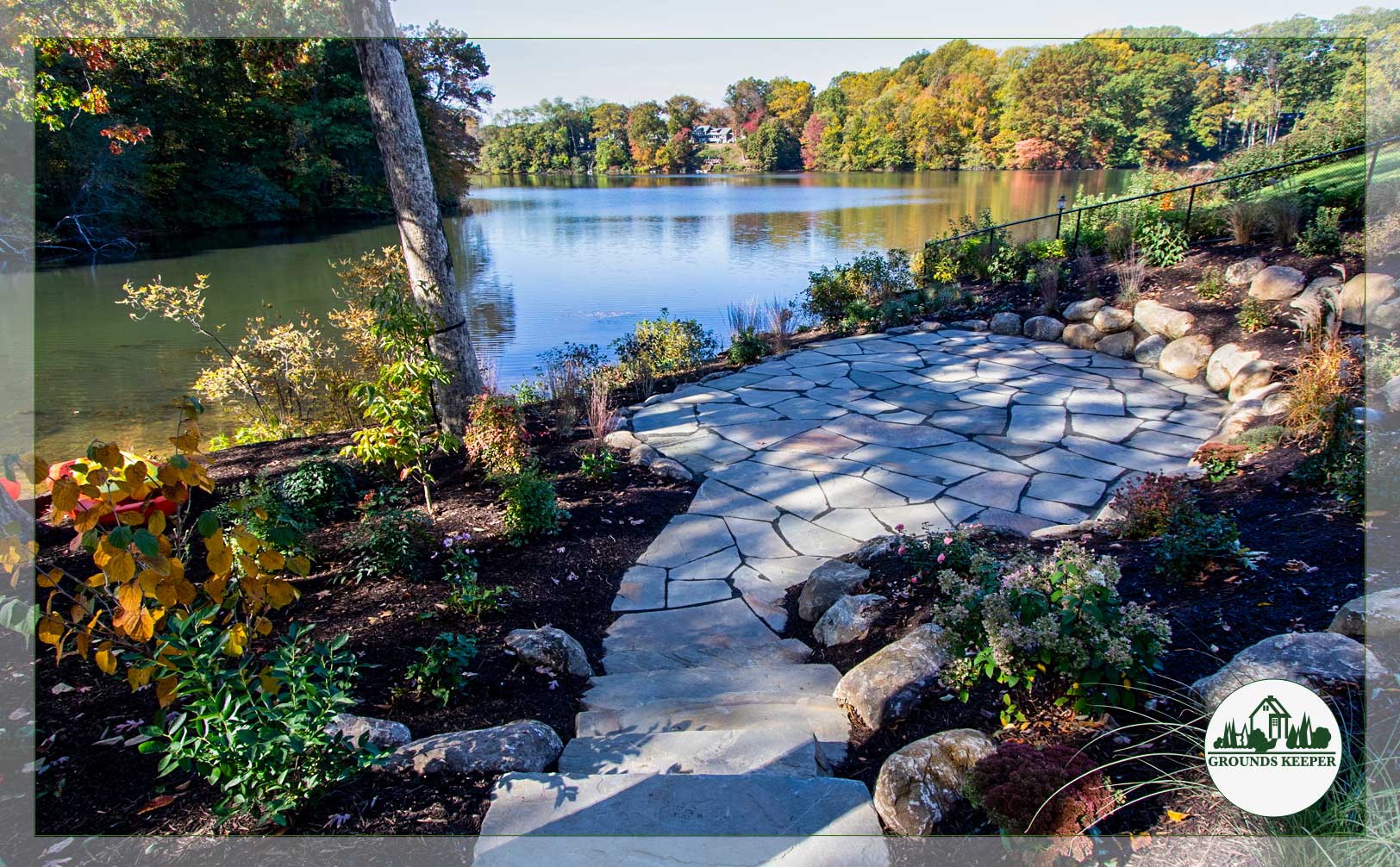 Nobody Rakes The Forest
Think about the woods in your neighborhood. Nobody goes through with a blower in October. Yet every spring the trees leaf out again, wildflowers push up through last year’s leaves, and the ground smells rich and dark.
That’s because fallen leaves are how a woodland feeds itself. They break down into organic matter, worms and fungi do the heavy lifting, and the nutrients a tree pulled up all summer return to the soil beneath it. It is one of the oldest recycling programs on the planet.
Your yard works the same way, just with better landscaping. Your beds are soil, your trees are trees, and those leaves want to go home. The trick is helping them get there without smothering your lawn or turning your patio into a skating rink.
Live your best outdoor life
Want to explore how gorgeous (and low maintenance) your yard can be this fall? What are you waiting for? Let’s talk!
Turn Them Into Mulch
The easiest upgrade is to shred them. Run your mower over a pile of leaves a few times and you end up with a coarse, crumbly material that looks a lot like the pricey bagged mulch at the garden center. Spread it two to three inches deep around shrubs, perennials, and the bases of trees, and pull it back a few inches from trunks so the bark stays dry.
Shredded leaves hold moisture in the soil, insulate roots through winter, and soften the freeze and thaw swings that can push plants out of the ground in early spring.
They keep weeds from settling in, which means fewer chores for you.
And by April much of that layer has started to break down into the soil, which means your beds get fed while you’re busy with something more fun, like sipping a mimosa from the porch as you absorb the beauty around you.
Whole leaves are a different story. Big, flat ones like maple and sycamore can pack together into a wet mat that air and water struggle to get through. Shredding solves that in a single pass. Oak leaves break down more slowly, which makes them a great choice for the back of a border or a woodland style path, where a long lasting layer earns its keep.
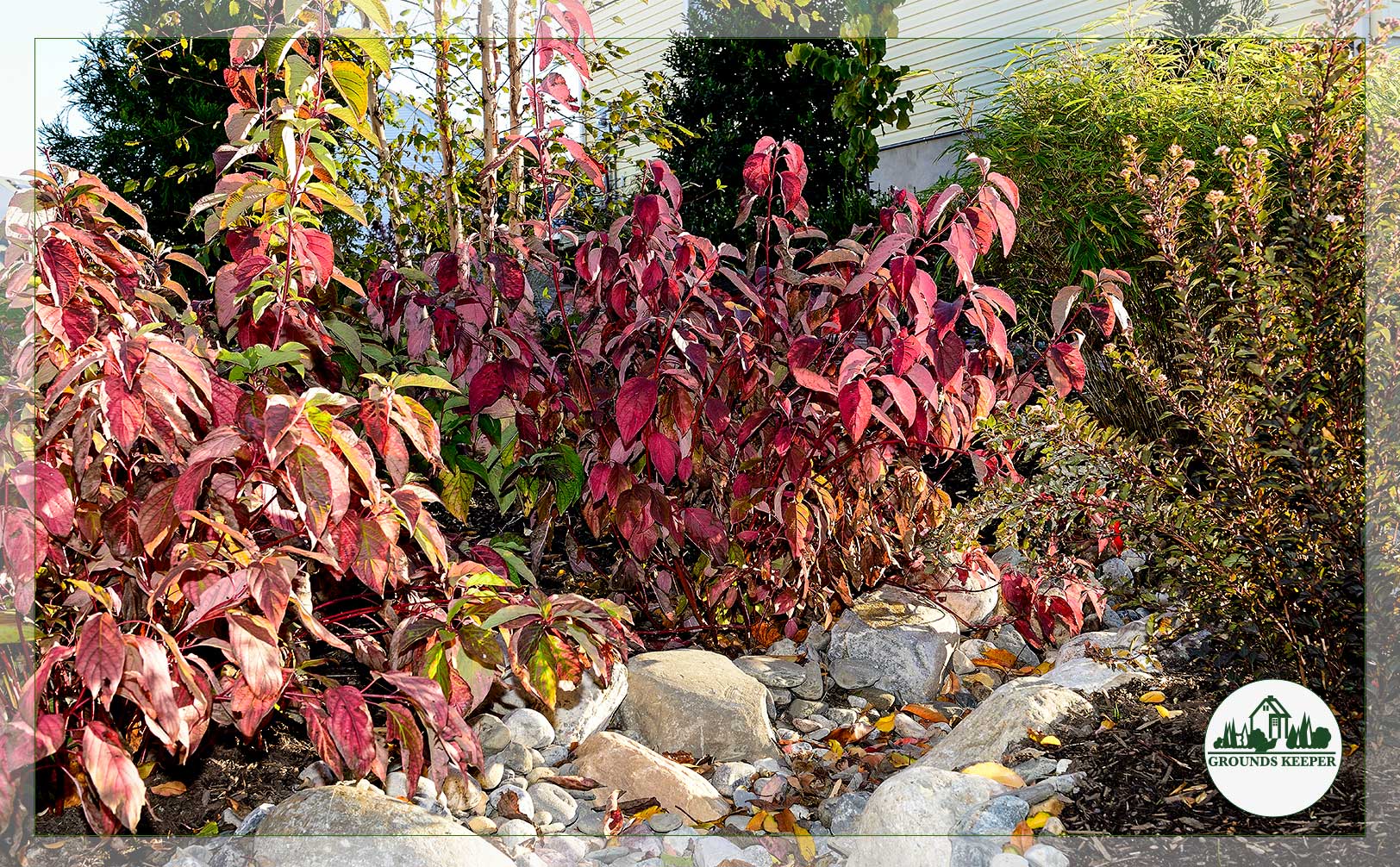
Your Lawn Needs A Dusting, Not A Blanket
A thick layer of whole leaves on grass blocks sunlight and holds moisture, so grass that spends the winter under a soggy blanket tends to come out thin and tired in spring.
But the fix takes less effort than raking. Mow over the leaves a few times until the pieces are about the size of a quarter or smaller. Those bits sift down between the grass blades and break down right there, feeding the lawn from the top. A good test is whether you can still see grass through the leaves after you mow. If you can, leave them where they are. If the grass is hidden, sweep the extras into your beds and let them become mulch.

Feeling inspired? Sign up to get more delivered to your inbox!
Give Wildlife A Place To Spend The Season
Under that layer of leaves, your yard is busy.
Many butterflies and moths spend winter as eggs, chrysalises, or caterpillars tucked into leaf piles. Bumblebee queens burrow beneath them to wait for spring. Firefly larvae, the same little dots of magic that blink across your lawn in July, spend much of their lives in leaf litter and soil.
Toads and other small amphibians use it for cover. Birds like towhees and wrens spend the cold months flipping leaves over to find the insects underneath.
Sweep every leaf away in October and you remove the shelter, the pantry, and the nursery all at once. If you want butterflies, fireflies, and songbirds next summer, this is where they start.
So give them a corner. Choose a spot at the back of a border, under a shrub, or along a fence line, and let leaves pile up a foot or so deep. A few square feet makes a real difference. Think of it as a winter rental for everything that makes your yard come alive when the weather warms.
 Keep A Few Places Clear
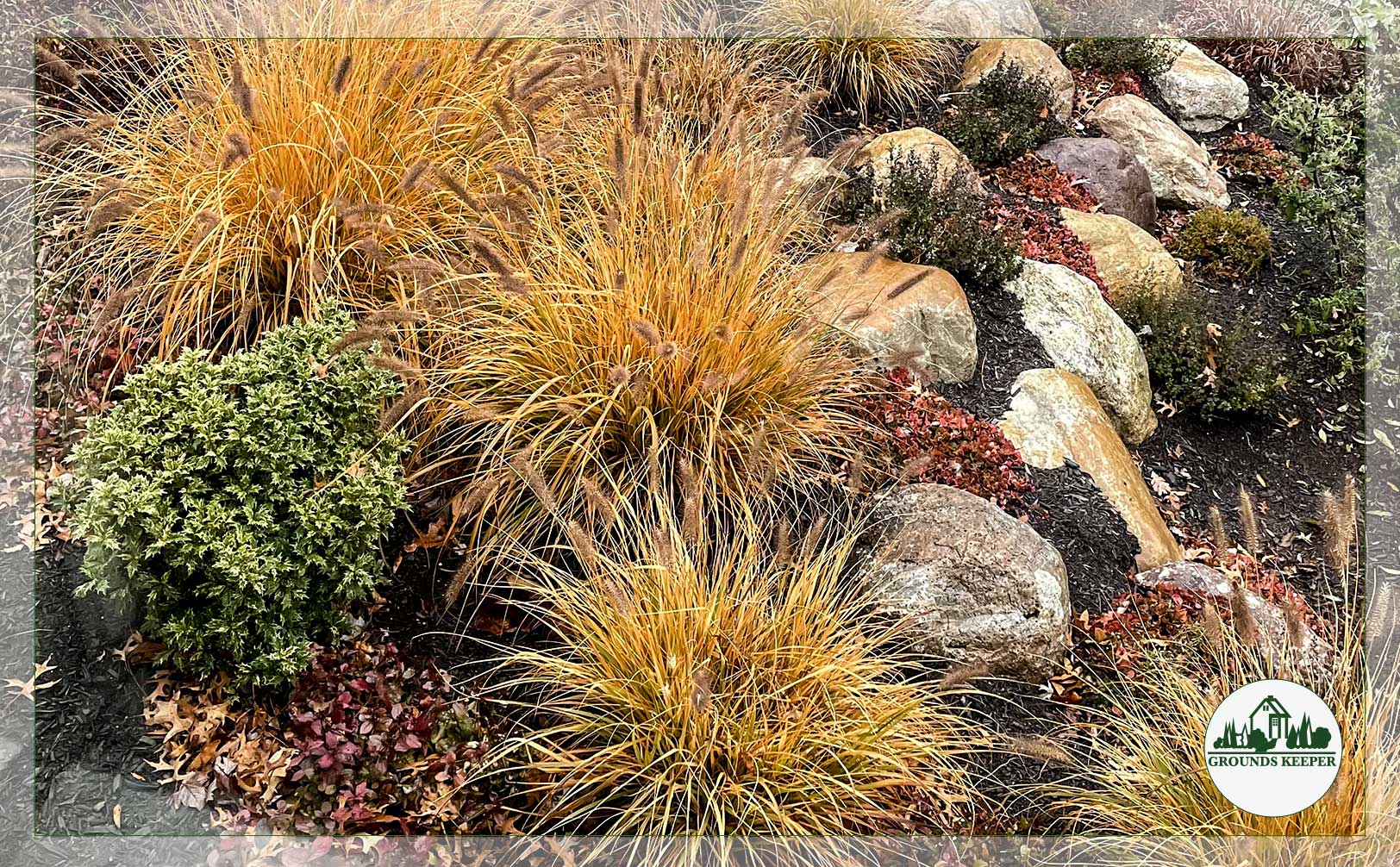
Leaves belong in some places more than others. Keep them off walkways, steps, and patios, where wet leaves turn slick in a hurry. Sweep them away from your foundation and from the trunks of trees and shrubs, where trapped moisture invites rot. Clear them out of gutters and storm drains so water keeps moving the way it should.
If any of your trees dropped leaves with heavy spotting or signs of disease, bag those and send them to the curb.
Your pond is the one exception. Leaves that sink into pond water break down and upset the balance your fish and plants depend on, so a net stretched over the surface before the leaves fall is your best friend. Pull it off before the first snow, and scoop the leaves off the net instead of digging them out of the water.

A Saturday Worth Having
Here’s what leaf day looks like when the leaves are on your side. Start by clearing the paths, steps, and patio. Run the mower over the lawn until the leaves look like confetti. Collect what the mower catches and spread it over your beds like a cozy comforter. Tuck a generous pile into that back corner for the wildlife, stretch the net over the pond, and finish with something hot in a mug.
The whole job takes less time than raking and hauling, and the payoff is better. You end up with mulch you never had to buy, a lawn that got a free meal, and a corner of the yard ready to shelter everything that needs a winter home. Your back gets a break, too, since there is a lot less lifting, dragging, and stuffing of bags involved.
 Natural Does Not Mean Neglected
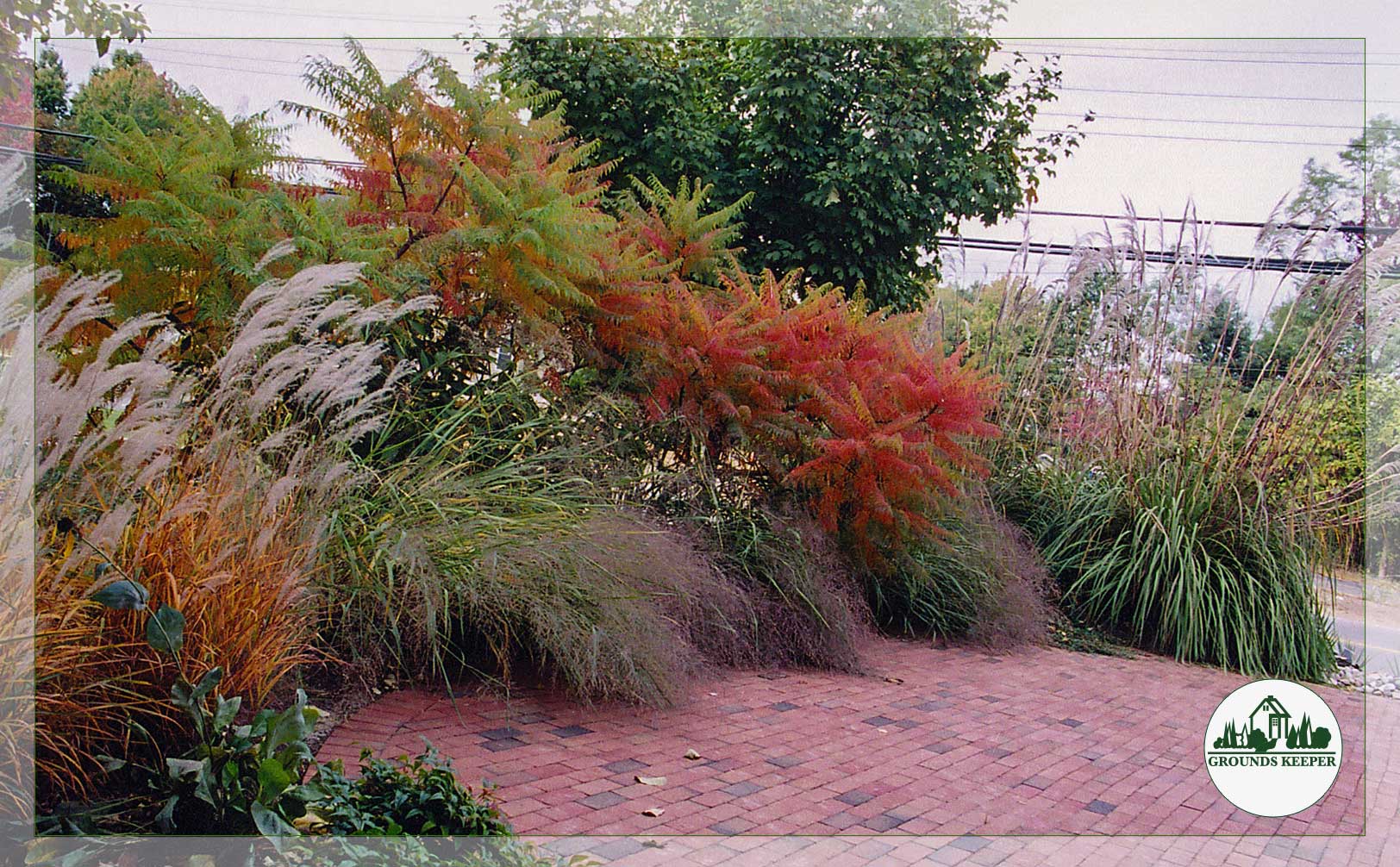
Some people worry that a yard with leaves in it looks messy. It all comes down to edges and placement. Crisp bed lines, a clear path from the driveway to the door, an evenly spread layer of mulch, and a leaf corner tucked behind a shrub border look like a plan, not a yard that got away from you.
That’s what naturalistic design is about. A landscape built to work with nature changes through the seasons, feeds itself, and looks good while it does. Fall cleanup becomes part of the design instead of a weekend punishment.
If you’d like a yard where autumn takes care of itself, with beds sized for a mulch layer, plantings that shelter wildlife, and a spot for leaves to do their work, let’s talk. Schedule a consultation and we’ll plan a landscape that makes the most of every season, this fall included.
Put down that bag. Turn over a new leaf. You have plenty!