You’ve probably seen them: those gardens where everything feels just a little bit wild, but in the best possible way. Grasses swaying, bees buzzing, flowers leaning into each other like old friends. That’s not just a wild meadow or a postcard painting. It’s naturalistic design.
But for every person who intuitively swoons over this look, there’s someone else squinting at the idea, wondering why anyone would want to live in a jungle of plants or give up their luscious lawn for a bunch of weeds.
Naturalistic design is full of beauty, movement, and purpose, but it’s also full of misconceptions. Let’s clear some of them up so if you’re the one squinting, you’ll have a better understanding of what naturalistic design is and why it might not be that wild chaos you’re imagining.
 Myth #1: It’s Just A Messy Garden
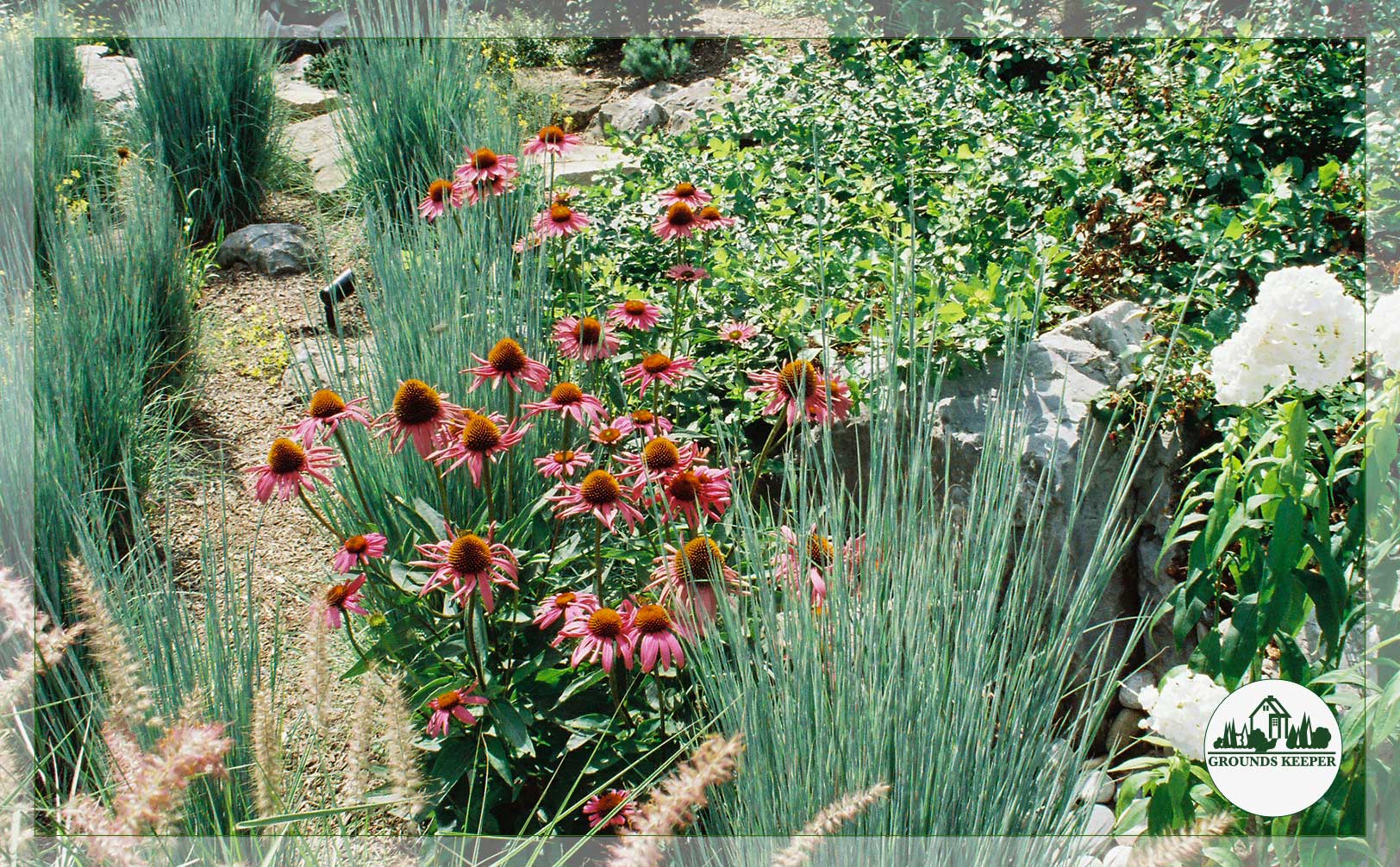
Just… Nope! Naturalistic gardens may look spontaneous and carefree, but they’re actually carefully designed. Every plant, every grouping of boulders, every bit of open space is part of a larger plan.
Think of it like the “no-makeup makeup look.” It might seem effortless and barely-there, but someone spent time choosing exactly the right plants for shape, color, texture, and seasonal change.
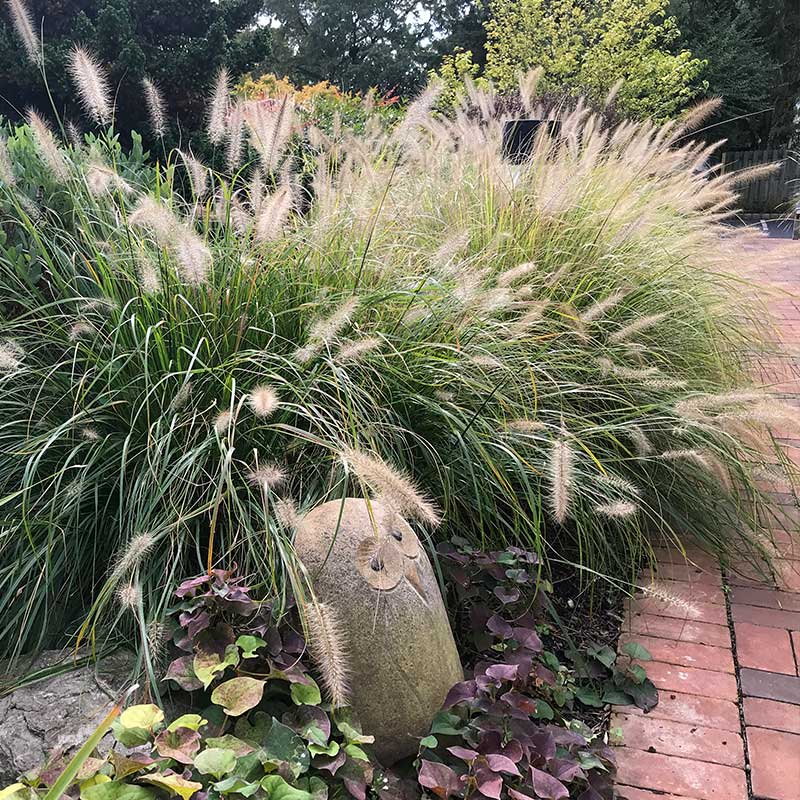
Go natural!
Ready to explore how beautiful and rewarding a naturalistic space can be? Let’s talk!
A good naturalistic garden has structure. It has rhythm. It has drama. And yes, it has imperfections—a blown leaf here, a few twigs collected there, to give it charm and a casual beauty that every garden wishes it could pull off.
But ultimately, it’s a carefully curated collection of elements that not only mimic Mother Nature but elevate her.
 Myth #2: It’s No-Maintenance
We won’t lie: it’s not the same kind of drudgery as mowing a lawn every week. But it’s not zero effort either.
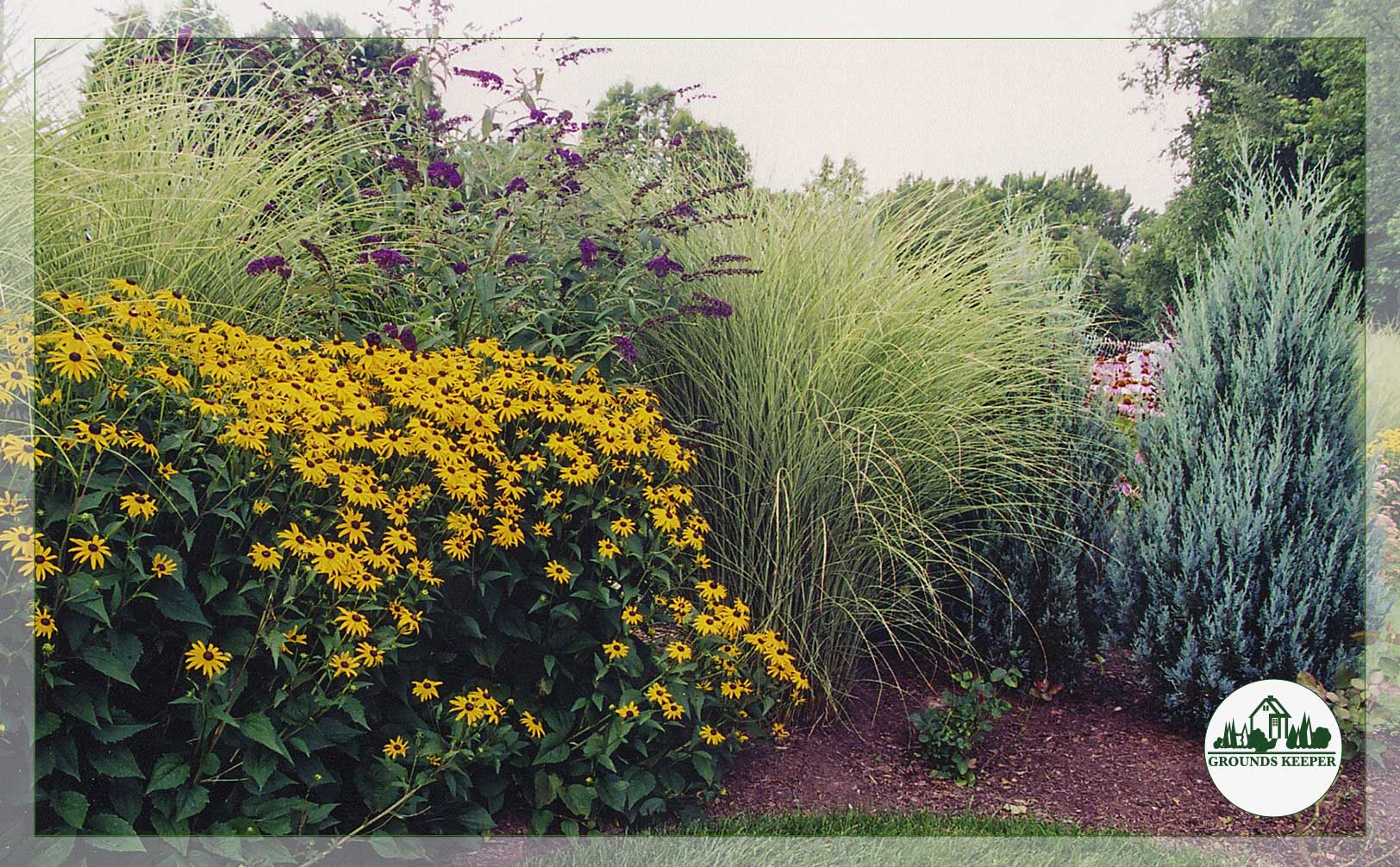
Naturalistic gardens don’t require extra maintenance, they just require different maintenance. There’s weeding, editing (yes, that’s a thing), thinning, deadheading, and seasonal cleanup, all in the service of keeping your landscape looking natural, *not* chaotic. After all, any garden left unattended, naturalistic or otherwise, is eventually going to look messy and overgrown.
The good news? The longer the garden is established and the better it’s designed, the less it needs from you. Plants fill in, crowd out weeds, and get stronger and prettier over time—the kind of aging we should all be so lucky to experience!
 Myth #3: It Looks The Same All Year
Absolutely not! In fact, one of the best things about naturalistic design is the way it constantly changes.
Spring brings fresh greens and delicate blooms. Summer is full of height and rich color. Autumn turns the whole thing golden and glorious. And winter is all about texture, from seed heads dusted with snow, to tall grasses catching the low sun, and branches sculpting shadows along pathways.
Follow us on Instagram for more lifestyle ideas and inspiration!

A naturalistic garden embraces every season, not just peak bloom. It’s alive year-round and interesting even when it’s resting.
 Myth #4: It’s Only For The Countryside
Naturalistic doesn’t mean “prairie in the middle of nowhere.” It’s a style that scales beautifully. Whether you’ve got a few sprawling acres or a patch of dirt by the sidewalk, you can bring the same principles of flow, texture, and natural beauty to any space.
In fact, naturalistic gardens often feel bigger than they are, because they move your eye through layers of plantings, not just around a hedge and onto the patio. Even a city courtyard can feel like a tiny wild escape.
And naturalistic design isn’t just for perfect conditions, either. It works just as well in dry areas as it does oceanside or in marshy places, thrives on slopes or in flat spaces, beautifies windy spots or sheltered ones, in the bright sun or deep shade.
Adaptability is its strength, using plants that _want_ to be where they are. When you match the planting to the site, the garden starts to thrive instead of struggle.
 Myth #5: It’s All Native Plants, All The Time
We love native plants. They’re hardworking, beautiful, and essential for supporting local ecosystems. But naturalistic design isn’t about giving up your favorite plants or copying the exact same “eco-friendly” garden as your neighbor down the street.
A well-designed naturalistic garden often blends native species with well-behaved, non-invasive exotics, creating something that’s ecologically smart and visually unique. You don’t have to sacrifice variety, personality, or that one plant you’ve loved since childhood.
Enjoying these ideas? Sign up to get more delivered to your inbox! (Plus offers and sales from our showroom!)

In fact, using native plants often makes your garden more interesting. You’ll start seeing more birds, butterflies, bees, and the occasional curious hummingbird. It brings your landscape to life.
Bonus? Many native and regionally adapted plants are naturally resistant to local pests and wildlife (we’re talking to you, deer), which means fewer battles and more beauty.
 Myth #6: You Have To Give Up Lawn Or Usable Space
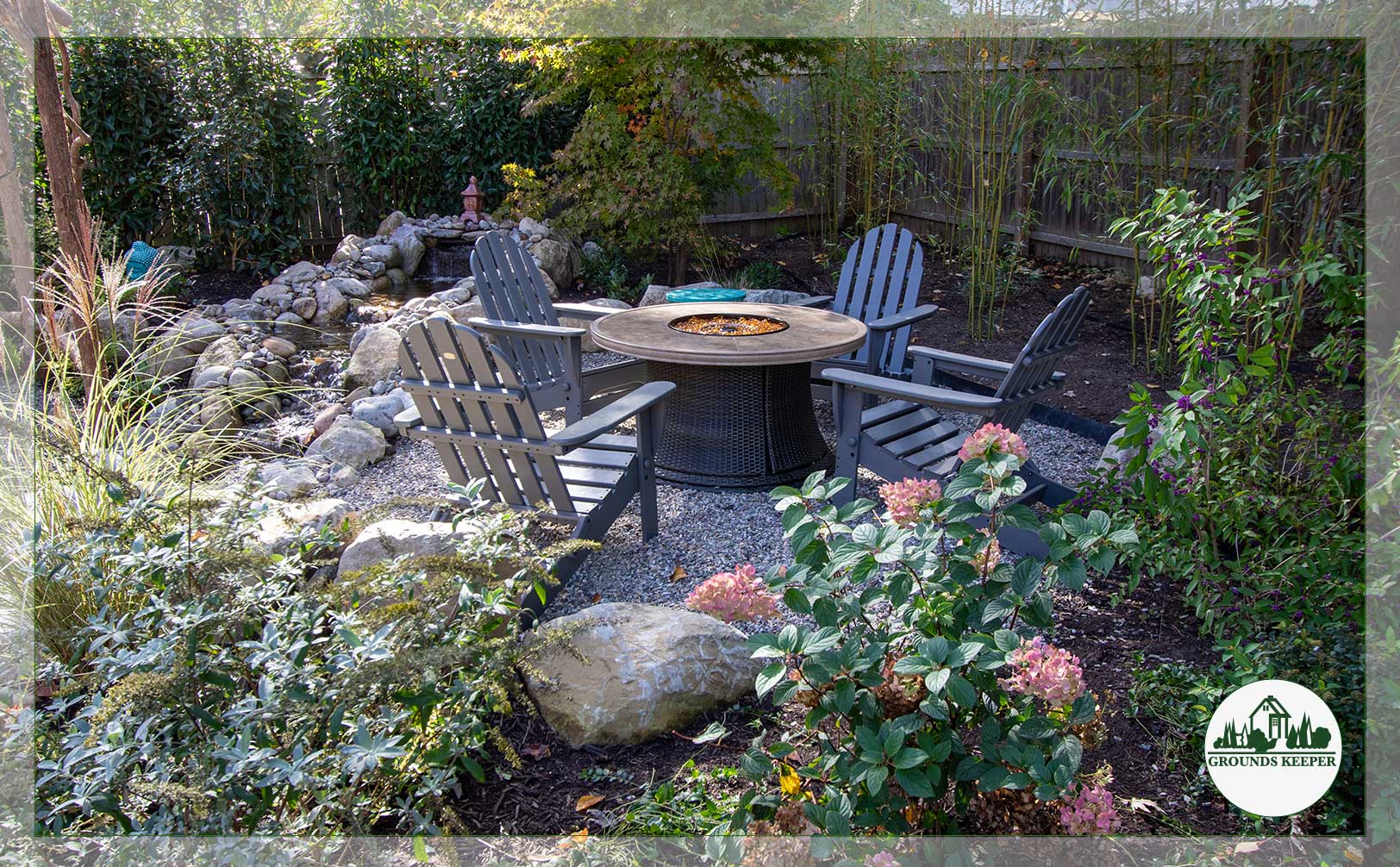
Naturalistic design doesn’t mean turning your entire yard into a meadow. It’s not an all-or-nothing proposition. If you love your lawn and enjoy weekends pushing a mower around, go for it. Your koi pond and quietly bubbling waterfall will be waiting for you when you’re done.
Naturalistic design works beautifully alongside open spaces. You can have a generous lawn for play, a fire pit area, a vegetable patch, a hammock under a tree, a sleek lap pool, all framed by plantings that feel alive and seasonal instead of static and stiff.
In fact, naturalistic gardens often enhance how you use your space. They guide movement, create cozy nooks, and bring a sense of harmony to outdoor living areas. They’re not just showpieces with a sign that says, “Garden goes here.” Instead, they act like the artwork and architecture of your outdoor room, shaping a space that feels welcoming, personal, and worth spending time in.
 So, What’s It Really About?
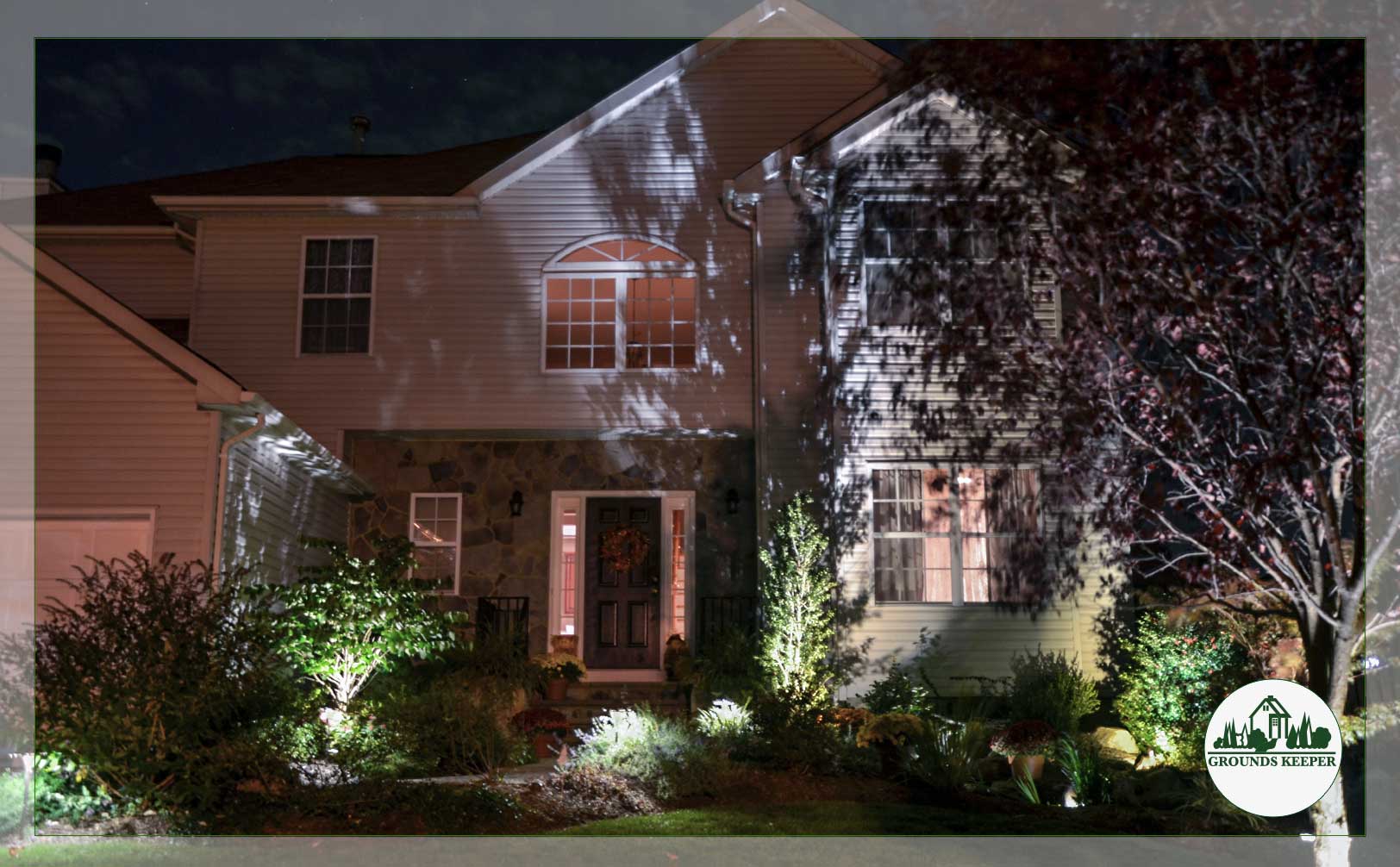
Naturalistic design is about reconnecting with the natural world. Not fighting with the challenges of nature (shady, soggy spots, we’re talking to you!) Not even recreating the wilderness, but working with it. It’s about creating spaces that are beautiful, dynamic, and full of life. It’s expressing yourself through the colors, textures, sounds, and scents around you, not merely “going outside” but truly living outdoors.
Once you see what’s possible — a yard full of color, movement, birdsong, and changing beauty — you may never look at lawn-and-shrubs the same way again.
If you’re curious about what naturalistic design could look like in your space, we’d love to show you. It’s more than a style, it’s a shift in how we relate to the land. And it’s one of the best changes you can make outside your door.
Book a consultation and let’s explore all that your space can be.