When you think about landscaping, do you picture greenery, maybe some flowers, and a nice place to sit with a glass of wine? Those are solid priorities! But behind that inviting outdoor space is a world of design decisions, from the size and shape of plantings to the textures, seasonality, and more. And one of those powerful design tools at your disposal is color.
When we talk about color, we don’t mean “pick a few pretty flowers and call it a day.” Color in landscape design is strategic. It can affect how big your space feels, how you feel in it, and even how it evolves over the hours and days.
Color is more than just eye candy. It’s the thread that weaves the tapestry of your landscape together.
Whether you’re planning a full garden overhaul or just want an alternative to impulse-buying hot pink petunias every spring, here are a few things you may not know about using color in your landscape.
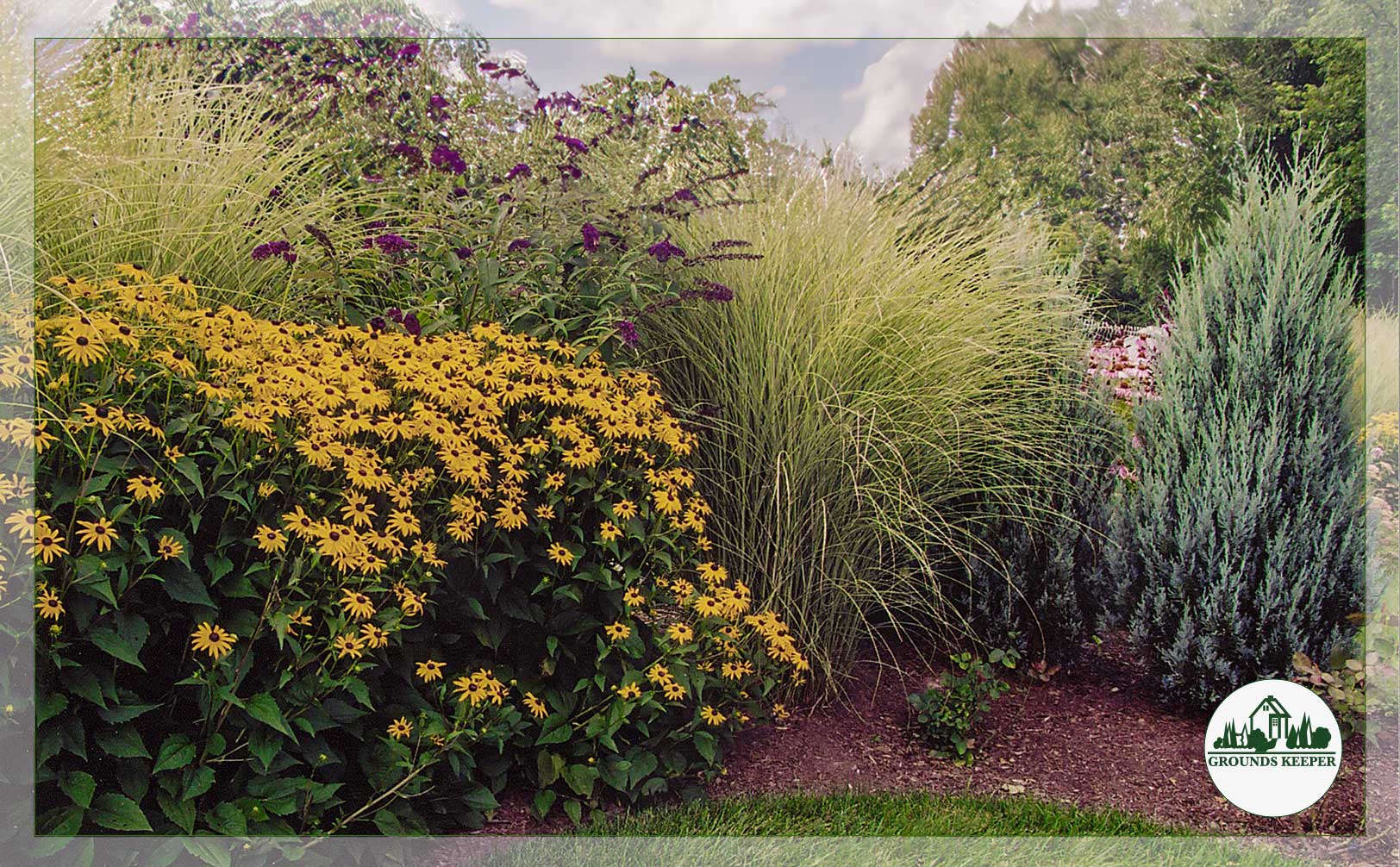 Color Is Seasonal. And That’s A Feature, Not A Flaw.
One of the most common misconceptions about color is that it’s here for a few months then disappears. Once fall fades and winter sets in, many people assume the only thing left is a long stretch of white-on-gray, maybe with a bit of mud thrown in for variety.
But here’s a secret: the most beautiful landscapes don’t shut down in winter, they evolve. Color doesn’t just go from bright spring blooms to rich autumn leaves and then call it quits. It’s more dynamic and much more engaging than that!
Spring opens with fresh greens and delicate pastels, giving way to the bold, showy hues of summer. Then autumn steps in with its deep russets, burnished golds, and moody purples, colors you didn’t even know were hiding in your plants.
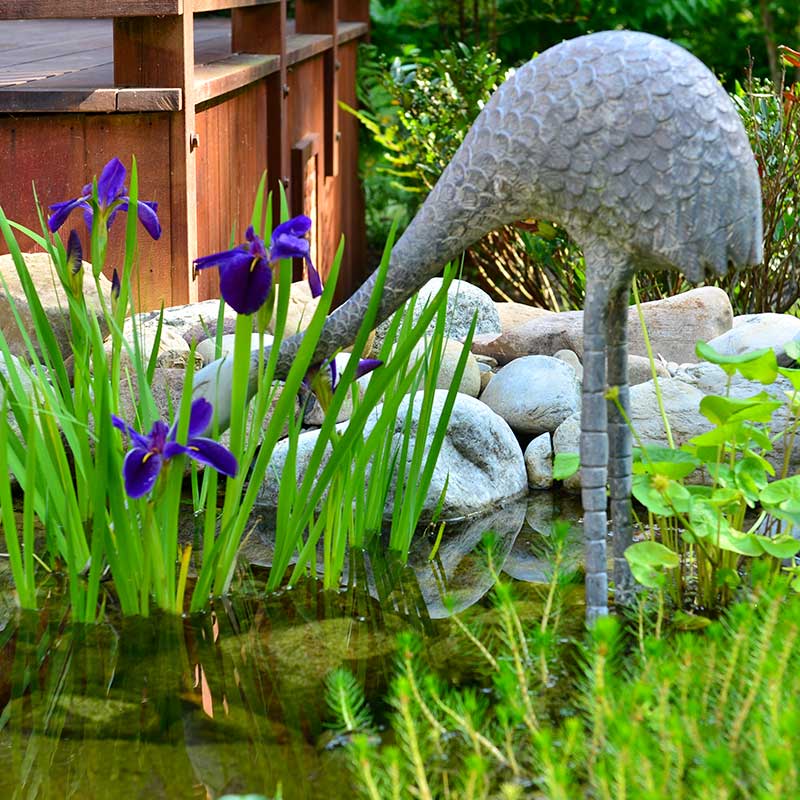
Live your best outdoor life
Want to explore the possibilities for your yard? What are you waiting for? Let’s talk!
Even in winter, there’s magic to be found in color. Think: the red glow of dogwood stems against snow, the surprise of hellebores blooming at Christmastime, the gentle sway of ornamental grasses as they catch golden afternoon light.
 That isn’t accidental. It’s designed. A thoughtful landscape plan takes the whole calendar into account, creating an experience that evolves over time. The trick is to choose plants that will carry your landscape through the seasons with style, depth, and personality, so there’s always something beautiful waiting just around the corner.
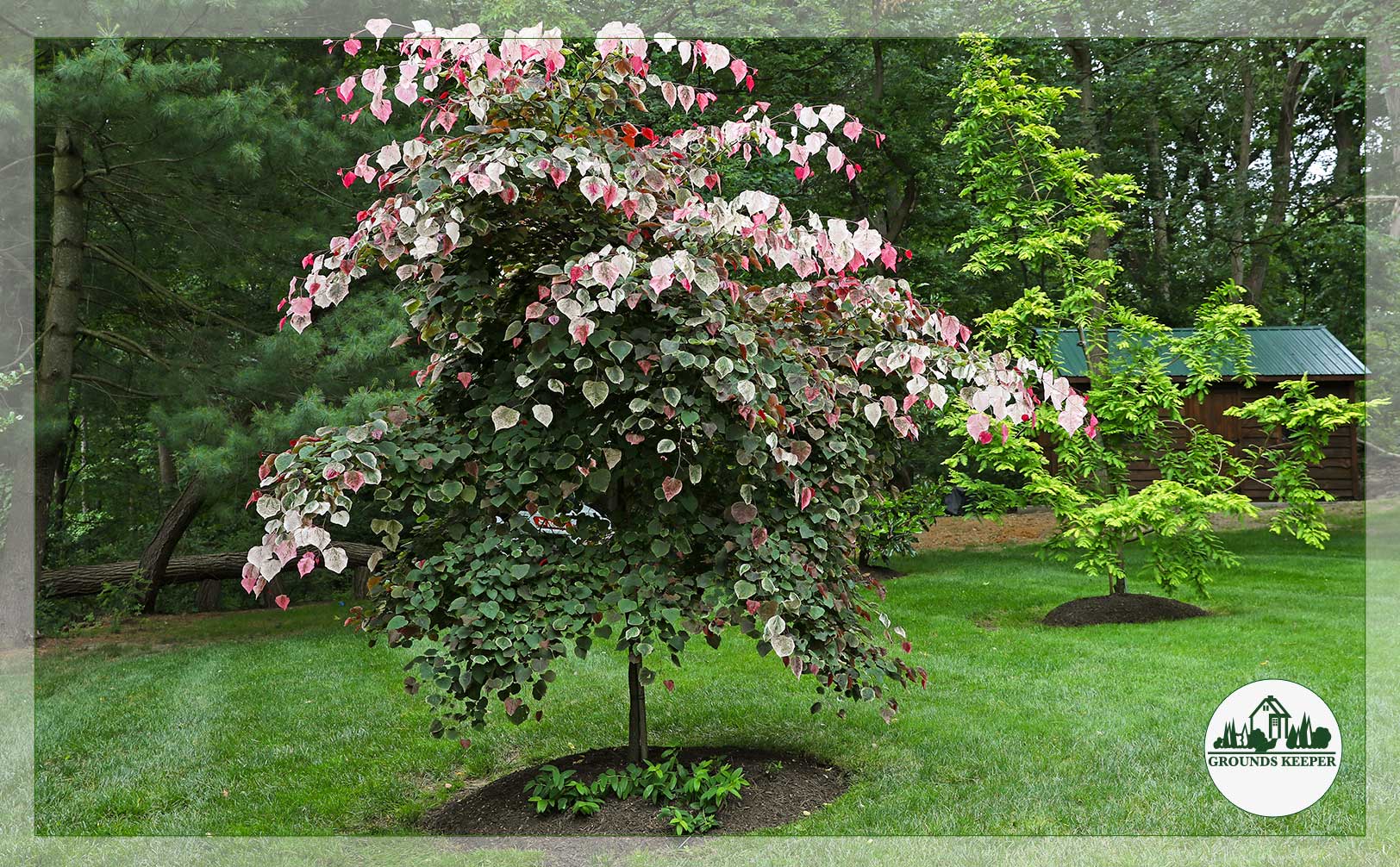 Foliage Color Matters As Much As Flower Color
Flowers tend to steal the spotlight, but if you want a landscape that looks good every day, not just when something’s blooming, foliage is where the magic happens.
Flowers may be the fireworks, but foliage is the foundation that helps them shine. From deep burgundy leaves to soft silvery fronds and glossy evergreens, foliage plays a starring role in creating a layered, intentional look that doesn’t rely on a short bloom window to feel alive.
Great foliage combinations can add contrast, texture, and even a bit of drama without ever opening a single petal. And when the flowers do arrive, foliage sets the stage, making the color pop even more. It’s the difference between a garden that looks nice for a few weeks and one that looks stunning year-round.
 Color Changes How Your Space Feels
Did you know that the colors you choose can influence your perception of how large or small a space feels, how far away something appears, and can even affect how your eye moves through a garden?
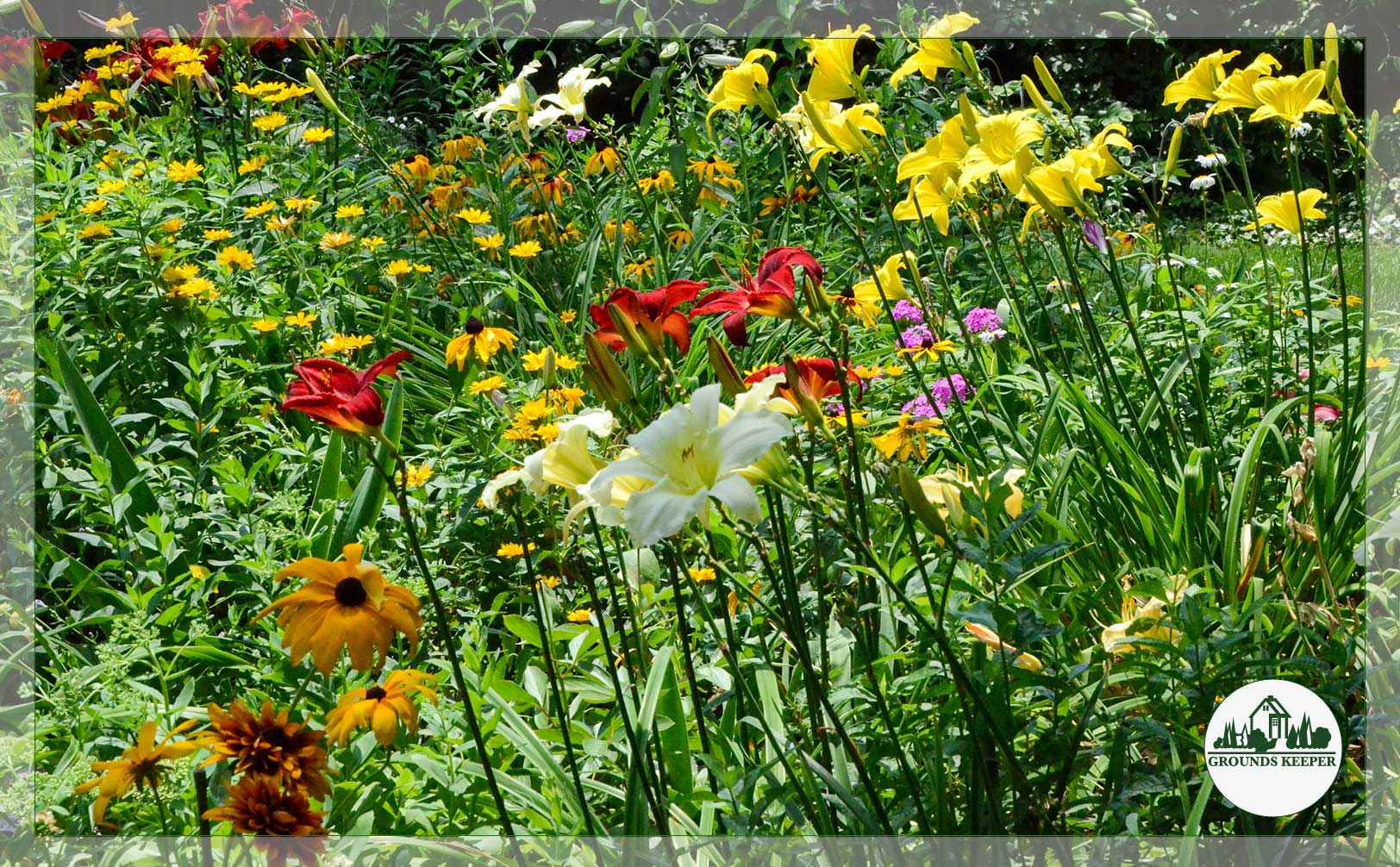
Warm colors (think reds, oranges, and golds) naturally catch your attention and seem to bring the space closer. When used well, they can make a large space feel more intimate or draw attention to a specific area, like a seating nook or an entryway. They’re also perfect for highlighting a favorite feature, like that old-growth tree or natural stone outdoor fireplace. Warm colors will walk your eyes right there.
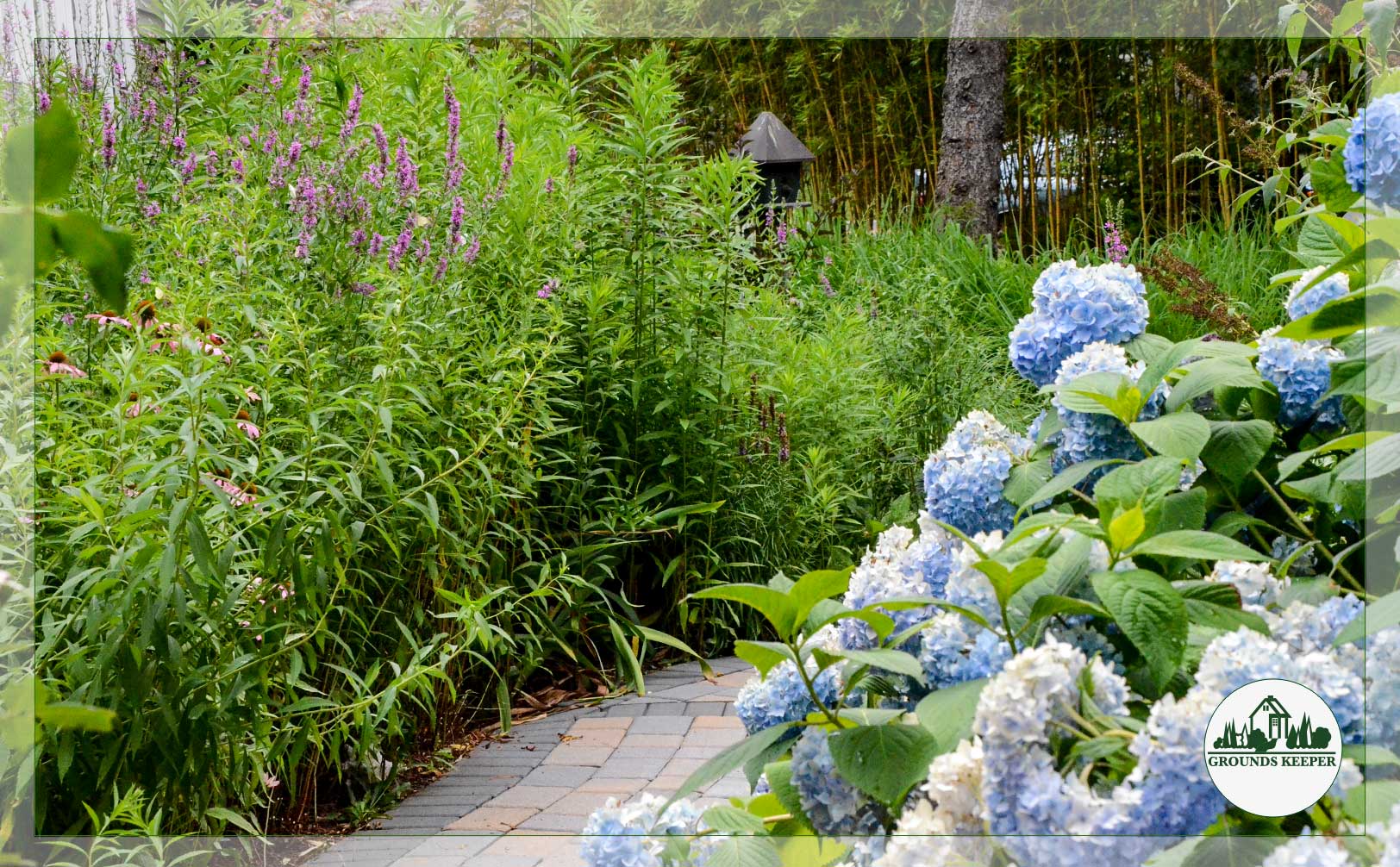 Cool colors (like blues, purples, and soft greens) do the opposite. They recede, making a small space feel more open, a shady spot feel more expansive, or a narrow space feel less confined.
Even better, you don’t have to choose one or the other. The art is in how they’re balanced. A thoughtful mix of warm and cool tones can guide the eye, create depth, and give your space a sense of structure that turns a mere yard into an outdoor space you’ll actually want to live in.
 Color Sets The Mood
When we talk about setting a mood or creating atmosphere, we’re often talking about lighting and even audio. But in your outdoor space, color does a lot of the heavy lifting. The palette you choose for your landscape doesn’t just affect how it looks, it changes how it feels to be there.

Feeling inspired? Sign up to get more delivered to your inbox!
Warm colors (remember those reds, oranges, and golds?) bring energy. They create a sense of vibrancy and invitation. They are the colors of sunsets and celebrations. Used thoughtfully, they can make a space feel social, dynamic, and festive. A patio surrounded by warm tones feels alive and welcoming, the kind of place where dinner stretches into midnight s’mores by the fire pit and another glass of wine.
Cool colors (like those blues, soft purples, and silvery greens) have a calming effect. They slow things down. These colors are soothing, restful, and meditative. If you’re dreaming of a peaceful outdoor retreat, the kind of space where you can sip your coffee and forget what day it is, cool tones help create that moment.
But what if you want a space that can handle a lively gathering and a quiet afternoon nap? The magic is in finding the right balance. With a color palette designed to reflect your pace, your style, and your life, you can have a landscape that not only looks great but feels great, too.
 Less Color Makes a Bigger Impact
Here’s something most garden centers don’t tell you: just because a plant is beautiful doesn’t mean it belongs in your yard.
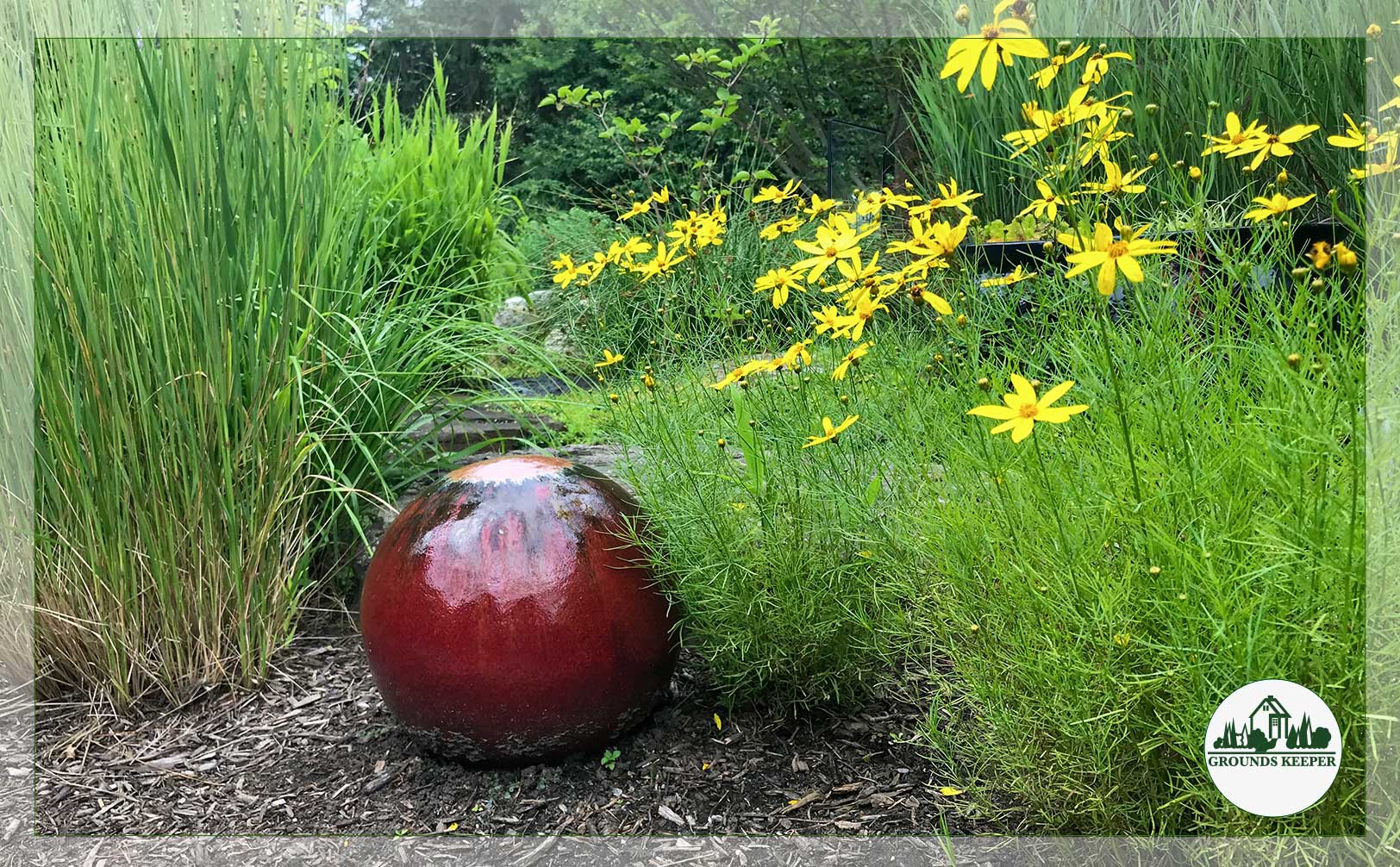
It’s easy to get swept up by all those gorgeous colors, especially when you’re surrounded by rows and rows of enticing blooms. But in landscape design, more color doesn’t always mean better. Without a plan, too much color can start to feel chaotic. Think of it like throwing a party that can’t decide if it’s a birthday, graduation, Halloween, or Fourth of July! In other words, a big, confusing mess.
 Color needs context. Without it, your eye doesn’t know where to land. And while that might feel exciting for a minute, it can quickly become overwhelming, especially in a space meant for relaxation.
That’s why restraint is actually one of the most important tools in landscape design. Knowing when to hold back allows the right colors to shine in the right places. Repetition of a single color creates cohesion, while strategic contrasts create drama and draw the eye where you want it to go.
A well-chosen palette feels intentional. It creates movement, contrast, and harmony, not visual noise.
 White Isn’t Boring
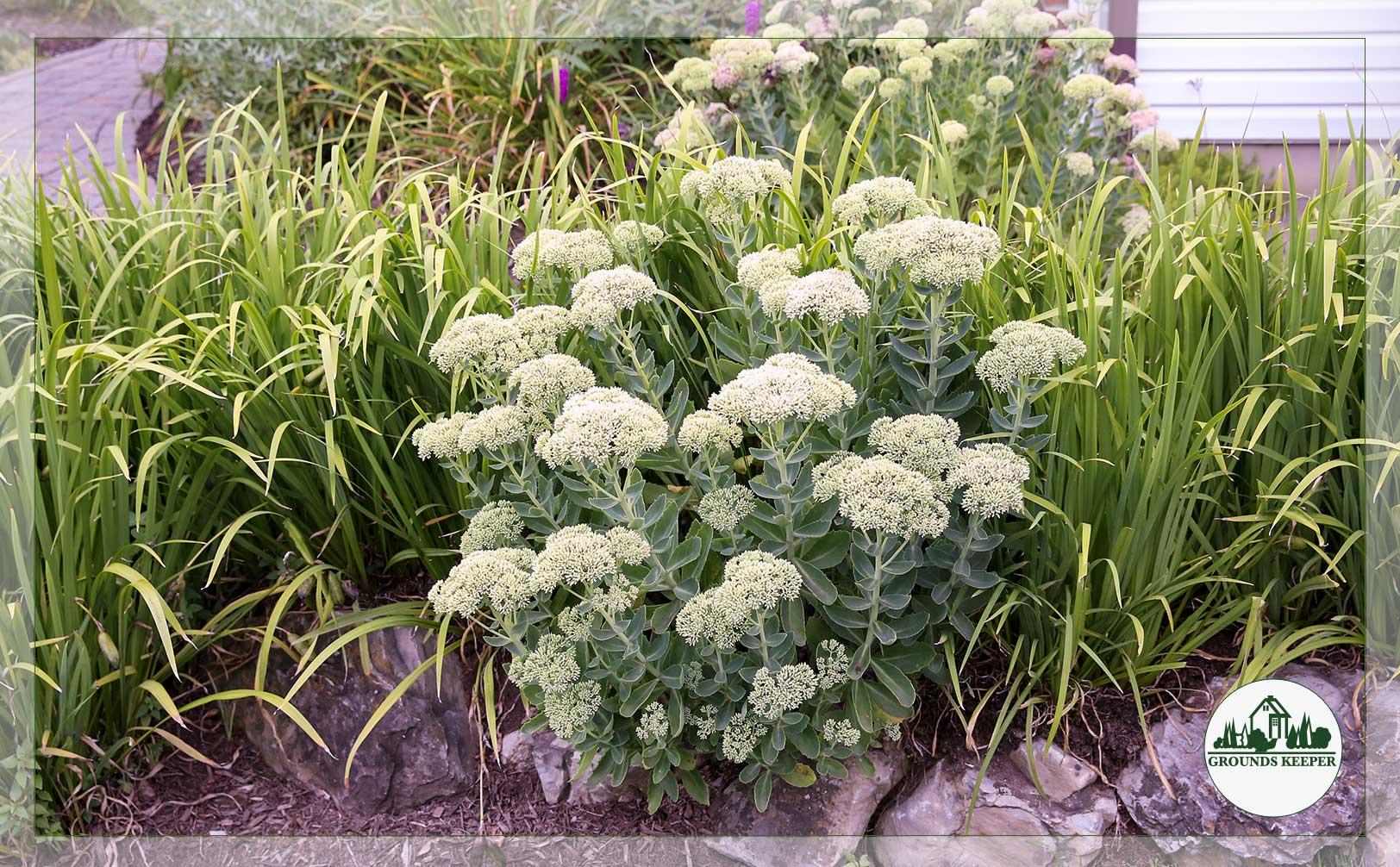
White gets a bad rap. It’s often treated like the “default” color, plain, safe, maybe even a little dull. But in landscape design, white is anything but boring. Used well, it’s one of the most powerful, versatile tools in your palette.
For starters, white glows. Literally. In lower light (imagine early morning, twilight, even moonlight) white flowers and foliage seem to light up from within. They add contrast and brightness to shady areas, soften bolder colors, and create visual breathing room in even the most colorful gardens.

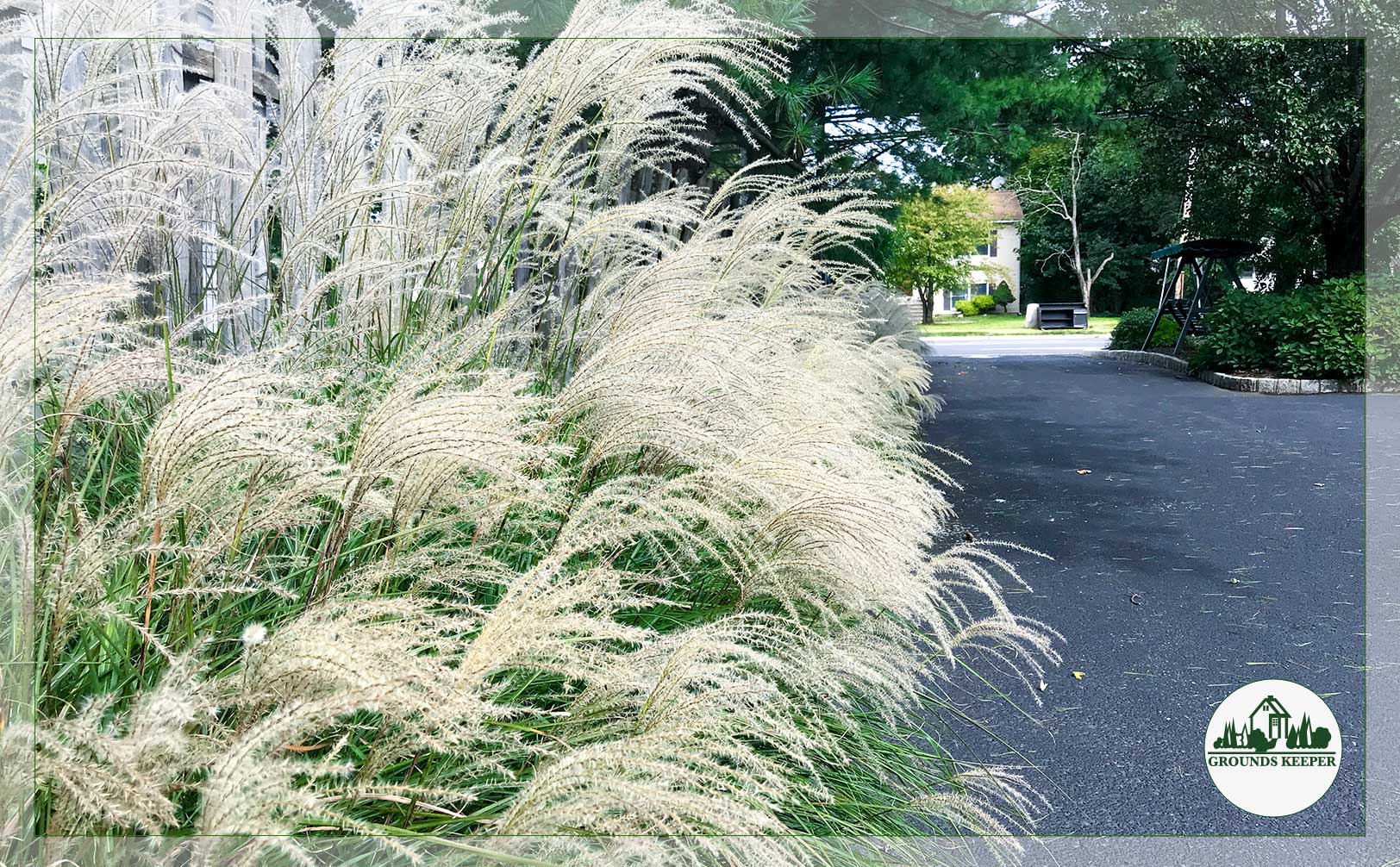 White is also incredibly adaptable. It can feel crisp and modern or soft and romantic, depending on what you pair it with. It plays well with every color family, adds elegance, and helps connect different areas of a landscape into a more cohesive whole. And yes, it even works in winter, when white branches, bark, or blooms stand out against the season’s quieter, cooler tones.
Bottom line: white isn’t filler. And when it’s included intentionally in a landscape design, it adds a sense of polish, contrast, and striking beauty that elevates everything around it.
 Color Isn’t Just Nice To Have. It’s A Strategy.
When it comes to landscape design, color isn’t just about what looks good in the moment. It’s about how your space feels, how it functions, and how it evolves through the seasons. It’s about creating a place that feels right for you all year long.
That doesn’t happen by accident. It happens through experience, planning, and a deep understanding of how color works in harmony with everything around it.
If you’ve ever stood in front of a display of flowers wondering what goes with what, or why your garden never quite feels “finished,” you’re not alone. That’s the difference between planting and designing. And it’s exactly what we’re here to help with.
We don’t just make your landscape look beautiful. We make it feel intentional and fully alive. If you’re ready to see what thoughtful color design can do for your landscape, book a consultation and let’s start the conversation. We’ll work with you to develop a master plan that works for your space, your home, and your lifestyle to bring you beauty in color through all four seasons.