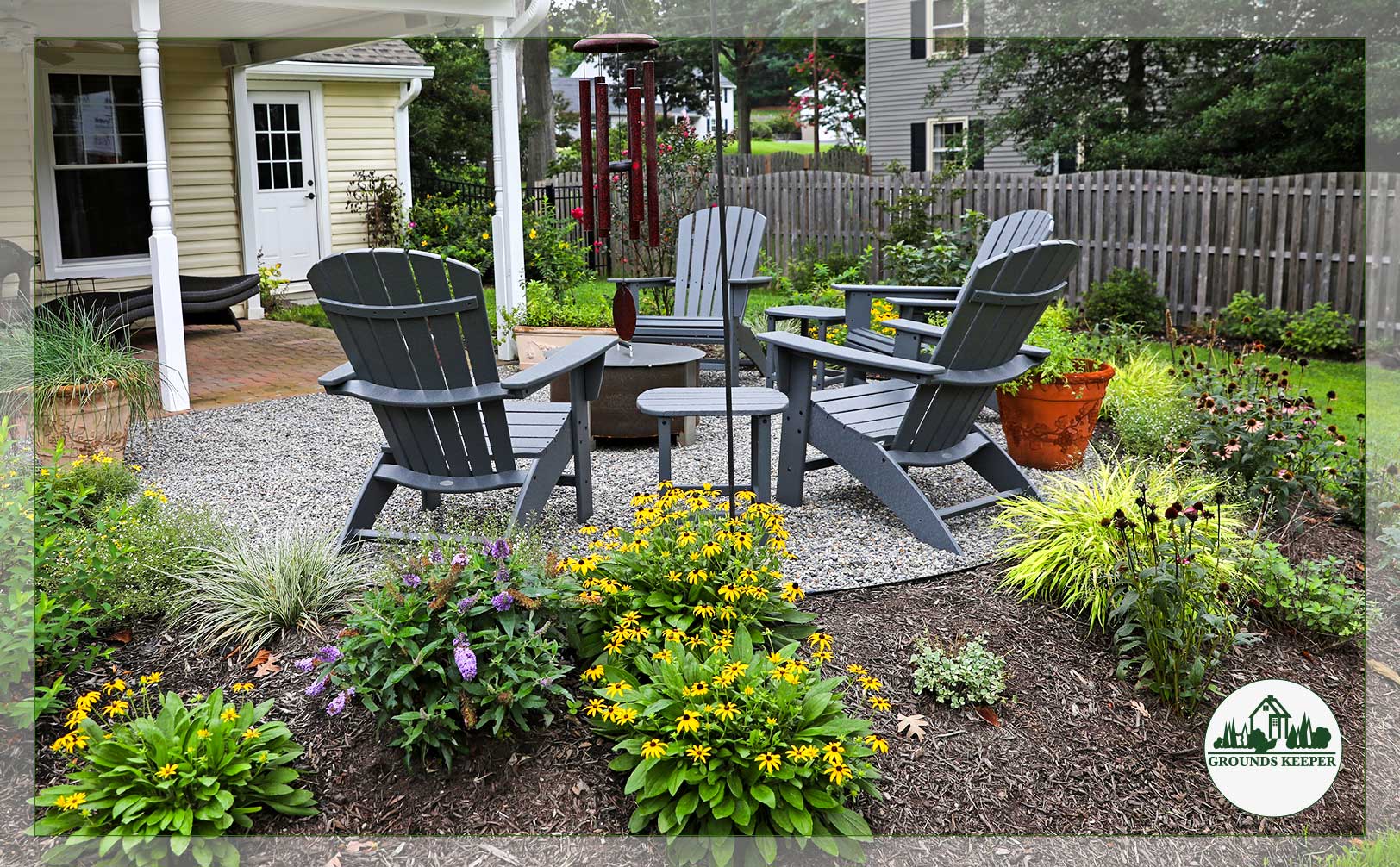
It’s early September, and the evening air has finally started to cool. You’re sitting on the patio with a cup of something cozy, watching the light change from gold to indigo. The season’s most dramatic blooms have already had their moment. If you picture a great landscape as a lush garden, this is the moment it starts to disappear.
But close your eyes for a second.
The grasses are moving. Something sweet is drifting on the breeze. The stone under your feet is still warm from late-summer’s sun.
A landscape is never just something you see. It is something you experience, with every one of your senses. Here’s what the other four have been up to while last season’s flowers commanded the stage.
 Sight: Beyond The Bloom
Ask most people what makes a landscape beautiful and they’ll point to flowers, and that makes sense. Blooms are the fireworks. But if petals are the only color you’re looking for, you’re missing most of what’s actually there.
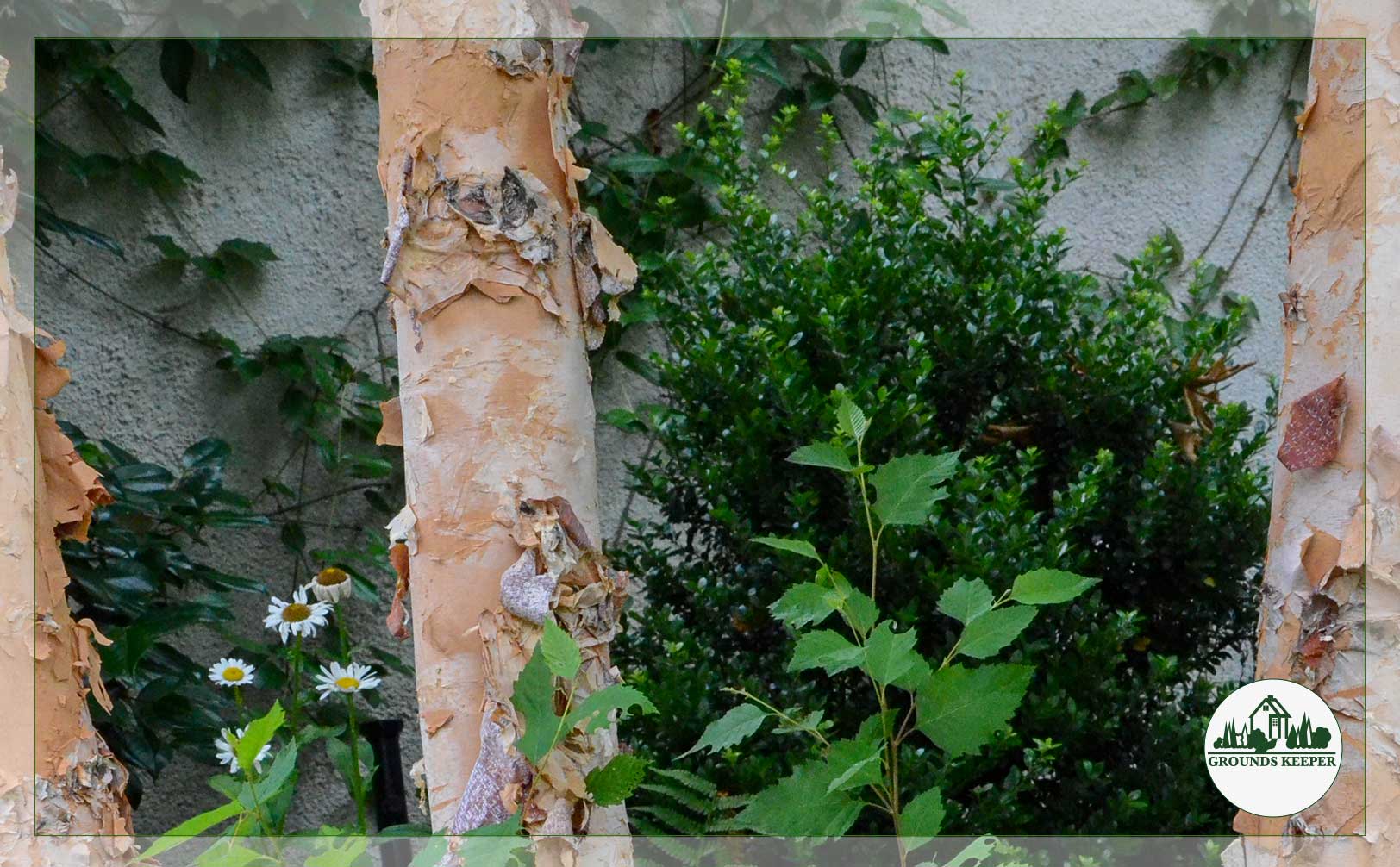
Bark tells its own story. Paperbark maple peels in shades of cinnamon and rust like it’s shedding a coat it no longer needs. Red-twig dogwood shimmers through winter, then settles into deep burgundy by summer. Stone works another kind of magic. A bluestone path deepens in color after rain. Gravel catches the sun in shades of rust or slate blue.
Live your best outdoor life
Touch, taste, scent…. design for all your senses! Let’s talk about how we can bring your space to life through all four seasons.
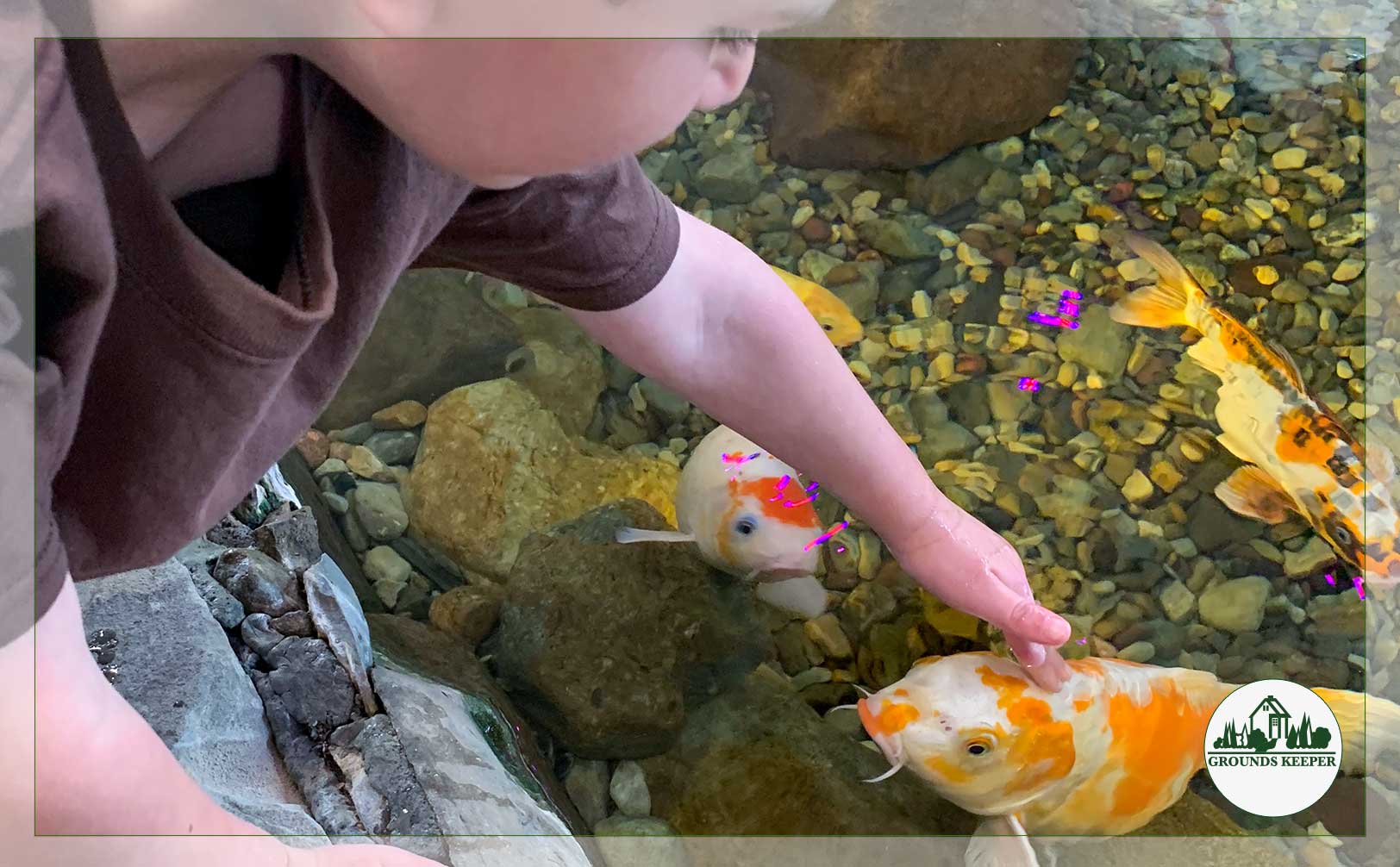
Then there’s everything that moves. Ornamental grasses shift from green to copper, catching the light of autumn and frost in winter. Koi flash orange, red, silver, and gold beneath the surface of a pond before settling in for a winter’s nap beneath crystalline waterfalls.
September’s a special month for seeing with a fresh perspective. As blooms starts handing the spotlight to other features, all the things that have been doing supporting visual work take their turn to shine. The garden isn’t fading. It’s changing acts.
Sound: The Landscape You Experience With Your Eyes Closed
Close your eyes in a well-designed landscape and it doesn’t disappear. It just gets interesting in a different way.
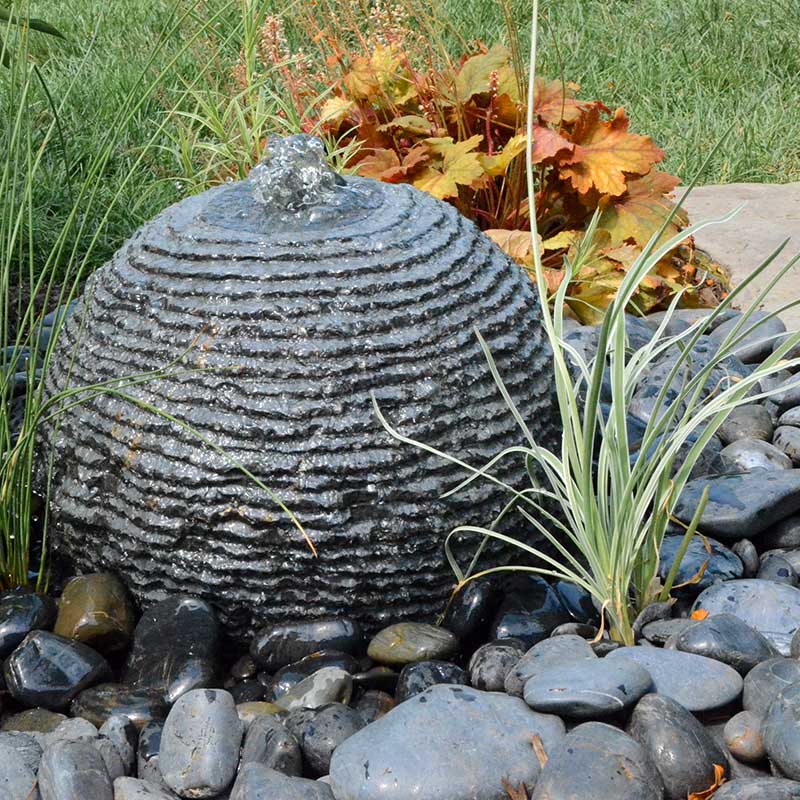
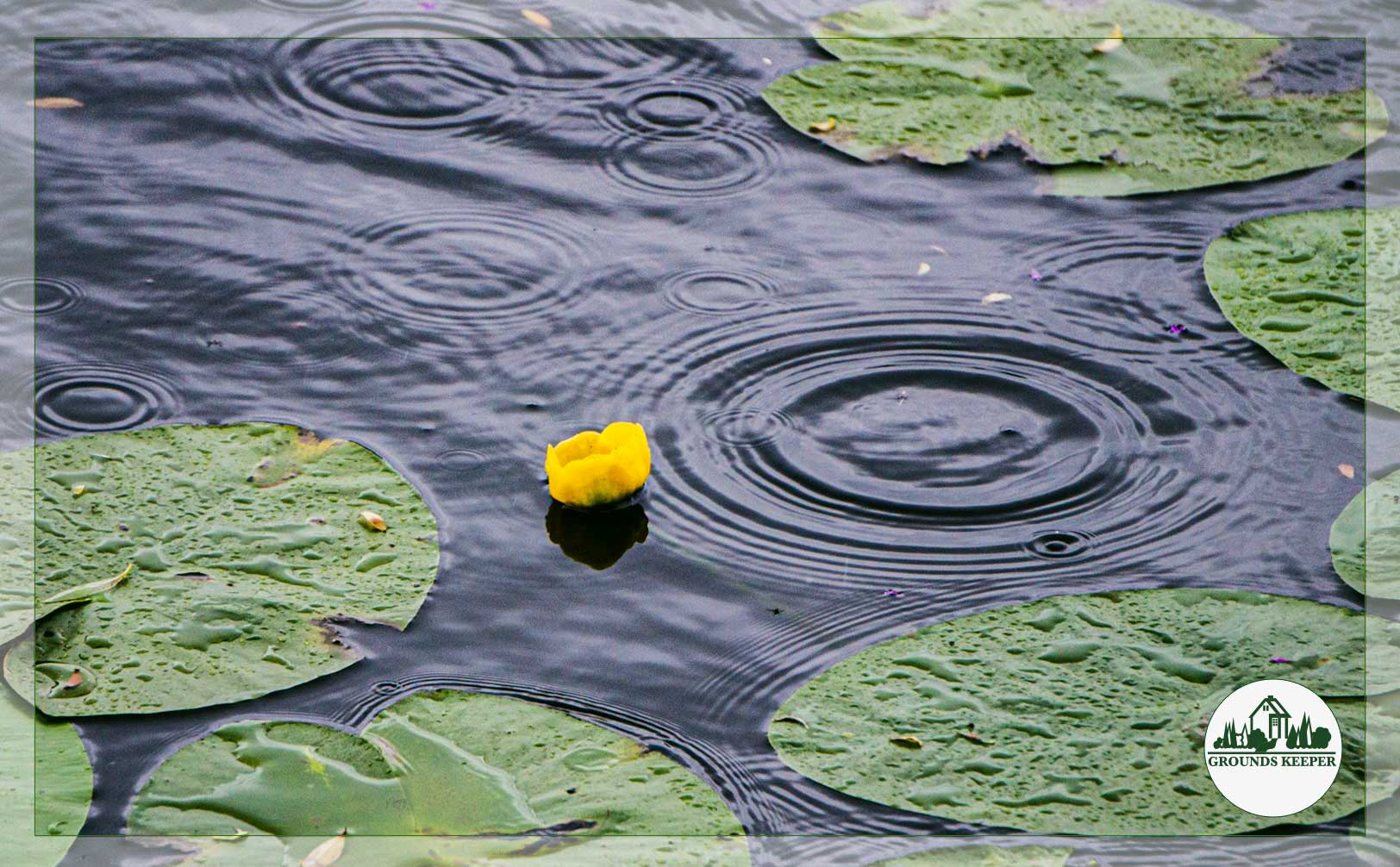
Water is a sensory superstar. A stream murmurs over a natural stone bed. Rain turns ordinary surfaces into instruments, waterfalls cascade in a susurration of sound, and the smallest of water gardens plink and tinkle like a through line in your landscape’s soundtrack.
Wind has its own signature, too. Ornamental grasses turn into a curtain that rustles and sways with every breeze. Bare branches tap against each other in winter like they’re keeping their own rhythm. And a well-placed outdoor audio system can round out the mix, whether it’s acoustic guitar drifting through the garden on a September evening or a rain soundtrack playing on a night when the sky refuses to cooperate.
Design for sound and your landscape stops being something you only look at from a window. It becomes something you can enjoy with your eyes shut, coffee in hand, front row seat to a performance that never stops.
 Scent: The Perfume Of Your Landscape
Every so often a plant chosen for how it looks gets as much credit for what it breathes into the air.
Spring begins with the sweet scent of lilac drifting across the yard, then hands things off to honeysuckle and creeping thyme, releasing an herbal scent the moment you brush past it or cross a path where it nestles between stepping stones. By midsummer, Summersweet Clethra joins the mix, its fuzzy cones bringing spicy or sweet, sometimes with a hint of clove, right as earlier bloomers start winding down.
Follow us on Instagram for more lifestyle ideas and inspiration!
By fall, the air carries something earthier, fallen leaves, cooling soil, the last blooms holding on before frost.
This is four-season design doing what it does best, just working through your nose instead of your eyes. And it tends to be the sense people remember longest. You might forget the exact shade of a flower bed by next spring, but catch that same scent again on a September evening a year from now, and it’ll put you right back on that patio, glass in hand, watching the light change.
 Touch: The Landscape You Feel
This is the sense most people forget to design for, but your feet and hands deserve to enjoy the beauty, too.
It starts at ground level. Smooth flagstone holds warmth long after the sun has moved on, so a barefoot stroll at dusk brings a pleasant surprise. Moss underfoot feels like a cushion, cool and soft in a way that pavement never will. Pea gravel crunches with every step, shifting under your feet and reminding you that you’re far beyond the confines of the office or the mall.
Move up to your hand height and a world of texture waits, inviting you to touch. Ornamental grasses brush your bare arms with a texture that is soft and ticklish. Rugged oak bark offers a completely different experience than the smooth, papery peel of a birch beneath your palms.
Hosta leaves are cool and waxy. Rosemary or lavender, brushed on the way to a favorite chair, release scent and texture in the same motion.
Temperature is its own kind of texture. Stone in full sun holds heat like a small radiator. A shaded path stays cooler, and moving water is cooler still, an invigorating shock against warm skin on a hot afternoon. A landscape that plays with all of that \ gives your whole body something to notice, not just your eyes.
 Taste: Yes, Your Landscape Can Feed You
By the time you get to taste, it might feel like landscaping has wandered pretty far from its job description. And we’re not even talking about vegetable gardens.
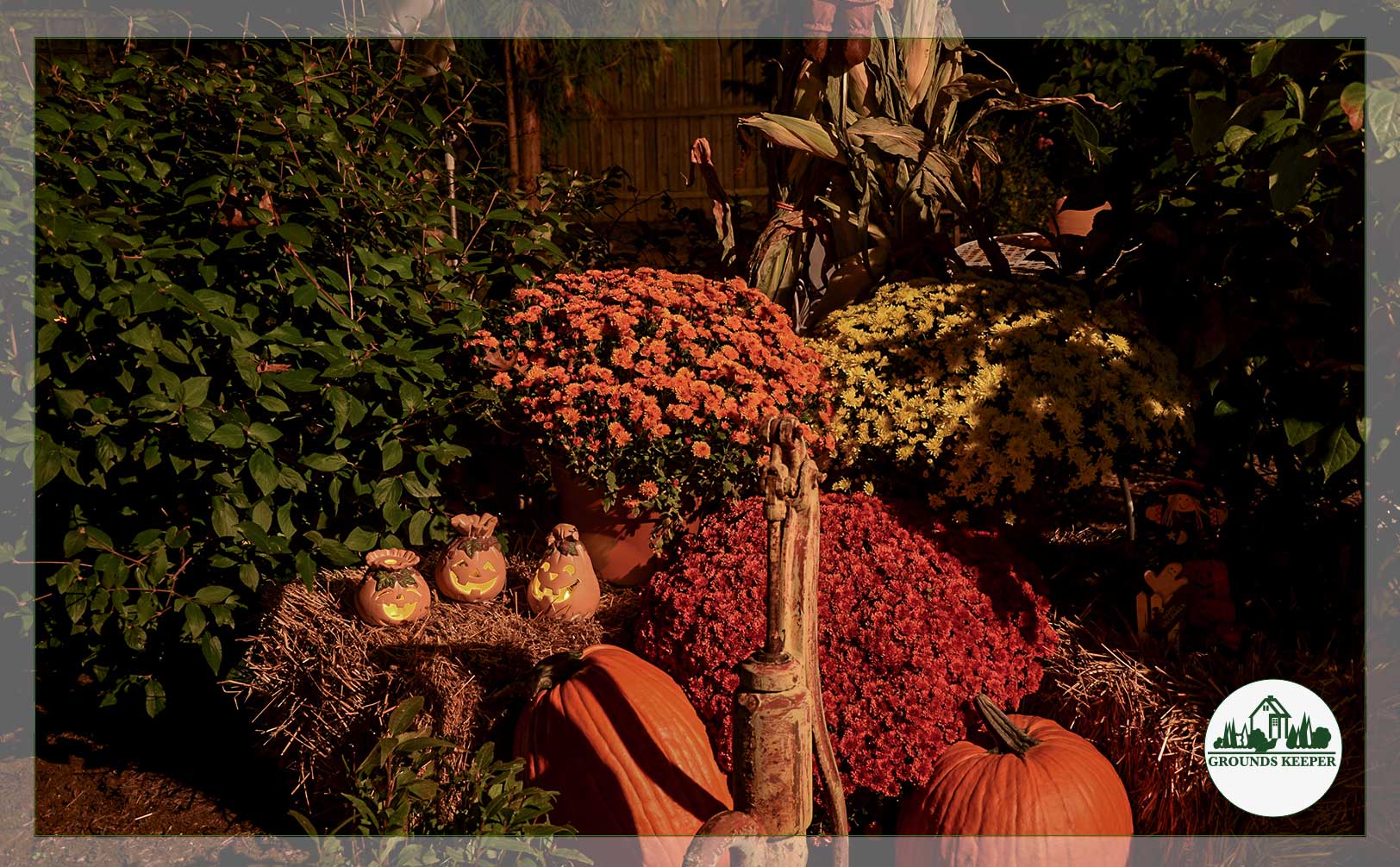
A surprising number of garden favorites are as enjoyable on a plate as they are in a flower bed. Chrysanthemum petals tossed into a fall salad bring a flavor between grassy and sweet. Nasturtium adds a peppery kick to anything from a sandwich to a quiche, and gets spicier as the day goes on, so morning picks get a milder bite than afternoon ones. Dahlia petals can taste like water chestnut or spiced apple depending on the variety, which is both curious and delightful.
Enjoying these ideas? Sign up to get more delivered to your inbox! (Plus offers and sales from our showroom!)

September is right in the sweet spot for this kind of edible garden. Marigold, snapdragon, and sunflower are all still going strong, right alongside chrysanthemums that are just getting started for fall. A garden built this way gives you the option to have dinner outside, literally.
It also happens to be a great party trick. Few things impress dinner guests faster than casually plucking a garnish from three feet away instead of from a plastic clamshell in the fridge. Your landscape has been doing double duty as décor and pantry all along. It was just waiting for you to notice.
 A Landscape Built For All Of You
Most people design a landscape by standing at a window and picturing how it looks. That’s a fine place to start, but it leaves four other senses waiting outside.
A garden built for sight, sound, scent, touch, and taste stops being scenery and starts being somewhere you live, in the fullest sense of the word. It greets you before you see it, holds your attention once you’re in it, and gives you a reason to stay outside a little longer than you planned.
So take a walk through your own yard and pay attention to which senses feels shortchanged. Maybe your eyes have been doing all the work while your ears and nose sat this one out.
If you’re ready to design for the whole experience, not just the view, let’s talk. We’d love to help you build a landscape for every sense you have.