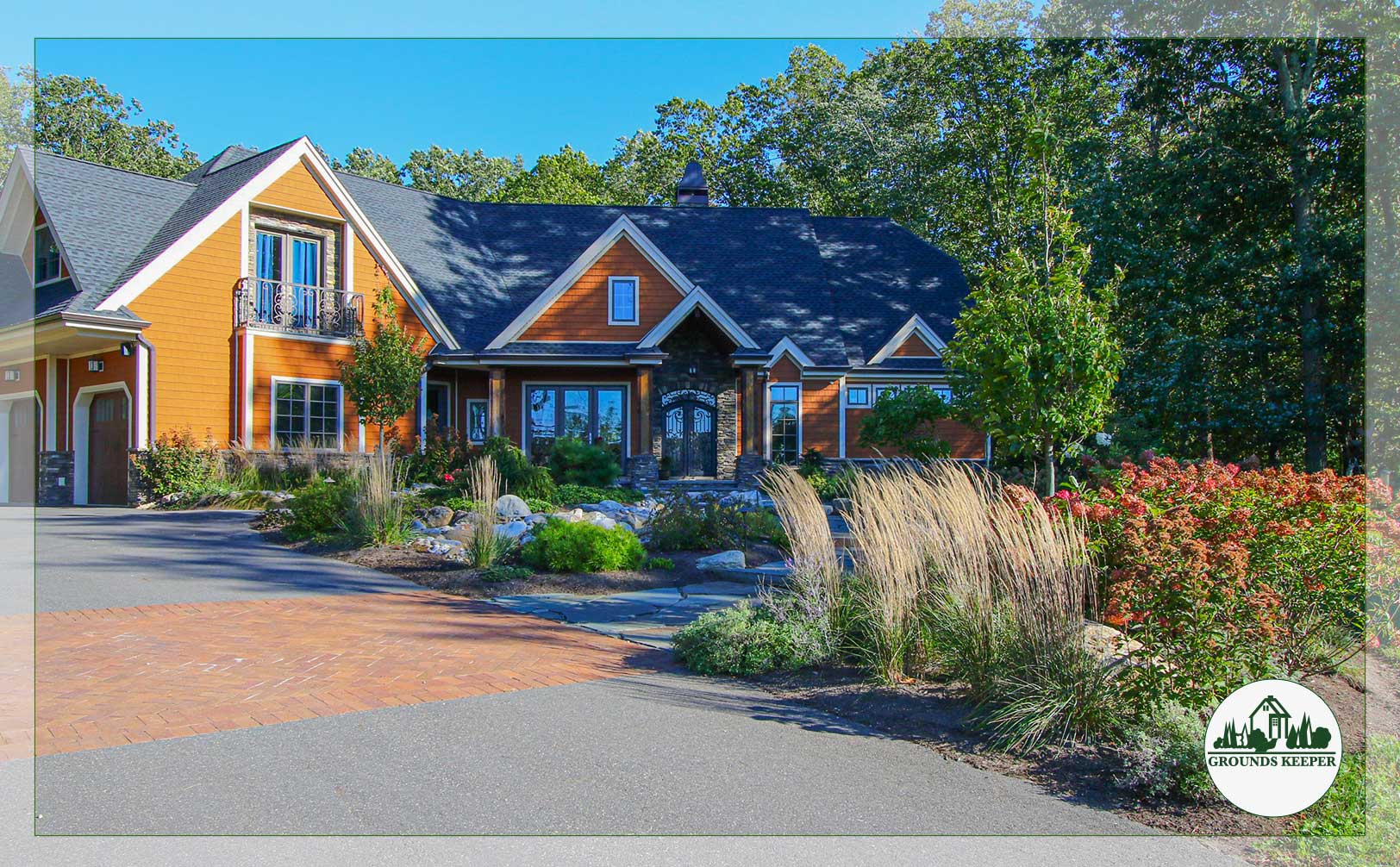
“Did they forget to mow?”
It’s the first thought that flickers across someone’s mind when they slow down in front of a naturalistic landscape. The grasses are tall. The perennials are enthusiastic. There isn’t a single, uninterrupted stretch of turf in sight.
In a neighborhood of flawless green carpets, it looks different.
For decades, we’ve treated the lawn as a status symbol. A living organism shaved into submission every Saturday. Trimmed, edged, corrected, reset. The suburban ritual is so familiar we rarely stop to question it. And like our outdoor experience, it becomes flat. Predictable. Perfectly controlled.
But what if the most beautiful yards on the block weren’t the most orderly ones?
What if luxury didn’t have to mean lackluster?
Naturalistic design offers an alternative that feels less like a yard and more like an experience. Instead of one monochromatic stretch of green, you see a kaleidoscope of color. You see movement. Texture. Depth. Plants that change with the seasons and catch the light differently in the morning than they do at dusk.
It isn’t messy or overgrown. It’s intentional. It isn’t neglected. It’s alive.
And for homeowners who value design, individuality, and time well spent, that difference matters.
 Beyond The Flat Lawn
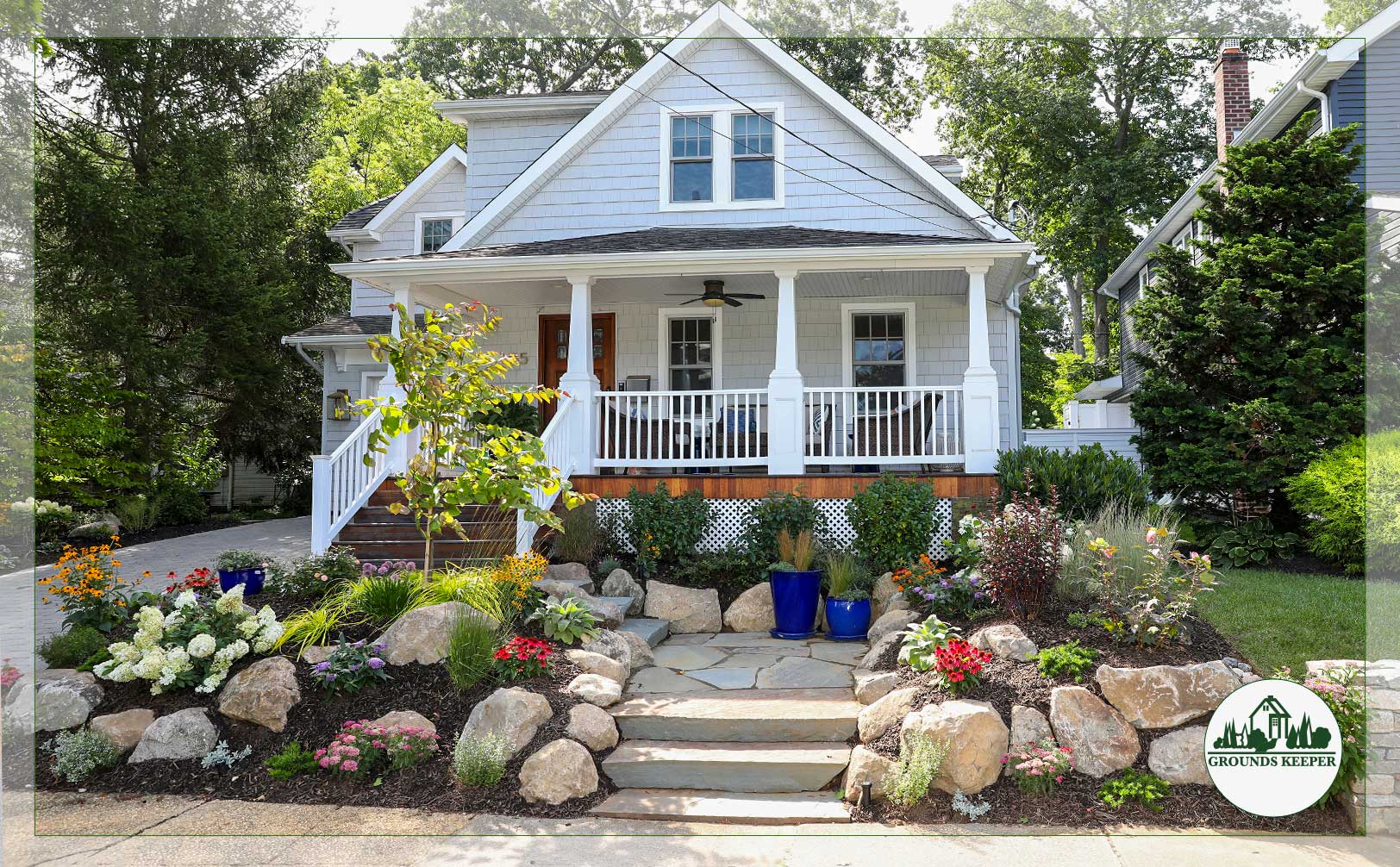
Where traditional lawn-centric landscapes offer a single, continuous surface, naturalistic design understands that your yard has more than one dimension.
“But my yard has plenty of slope!” You say. And if all it does is sport an emerald green cloak, it is still flat.
Live your best outdoor life
Want to explore the beautiful possibilities for your yard? Let’s talk!
A naturalistic landscape, on the other hand, is designed in layers. Taller grasses create a soft backdrop. Mid-height perennials and shrubs flow through in drifts. Low ground cover spills over stone and knits everything together. The effect isn’t chaos. It’s composition.
Think of the difference between a blank canvas painted one color and a landscape painting with depth and perspective. One is neat and orderly. The other pulls you in.
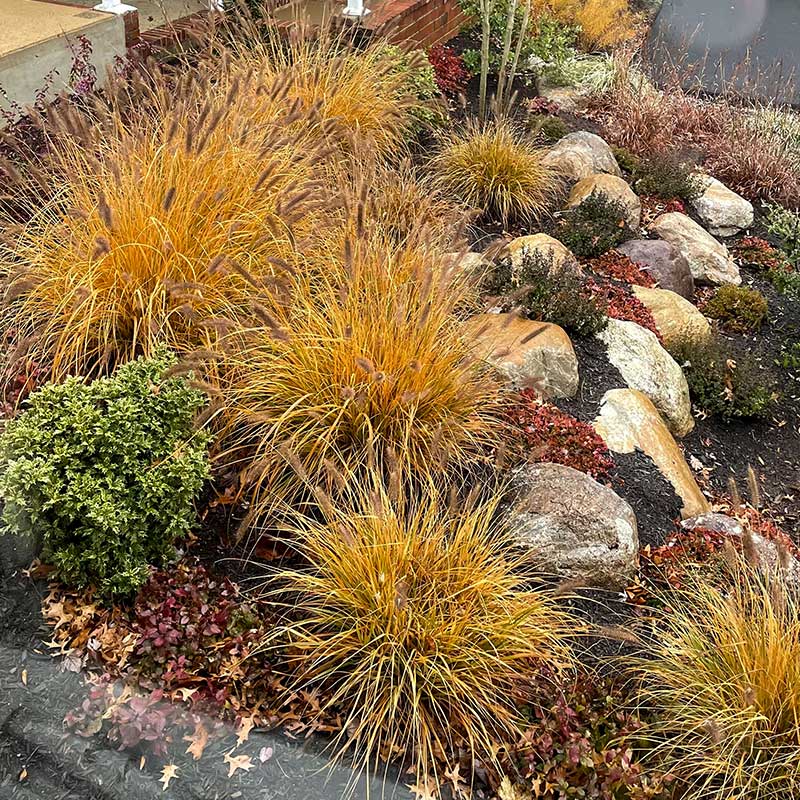
Movement becomes part of the design. Grasses bend in the wind. Seed heads catch late afternoon light. In spring, fresh greenery unfurls between last season’s stems. In autumn, warm hues replace summer’s bold blooms. Even in winter, the structure remains, giving the garden presence rather than emptiness.
 Layering creates visual depth, which makes a space feel expansive and immersive. It invites exploration rather than a quick glance from the driveway.
And here’s an interesting twist. The perfection people associate with green grass is only possible with constant irrigation, fertilization, and cutting. The natural green of a meadow, by contrast, contains dozens of greens layered together. Olive, sage, lime, forest, blue-green, kelly. Feeling poetic? Toss in artichoke, pea, mint, chartreuse, and even bottle.
Our eyes find layered greens more soothing because they mirror natural ecosystems. And our spirits connect to the “wild” in a way they will never connect to a lawnmower.
 The Luxury Of Letting Go
Your calendar is full. Dinner reservations. Travel plans. Zoom calls. Tee times. Kids’ soccer games. Visits from the grandkids. A stack of books waiting on the bookshelf. A patio that was meant for conversations, not weeding practice.
And yet, somewhere in the background, there’s the expectation that the lawn must be handled. As if it were a weekly performance review for grass. Edge it. Mow it. Feed it. Fix it. Repeat. The standard of perfection never quite ends.

Feeling inspired? Sign up to get more delivered to your inbox!
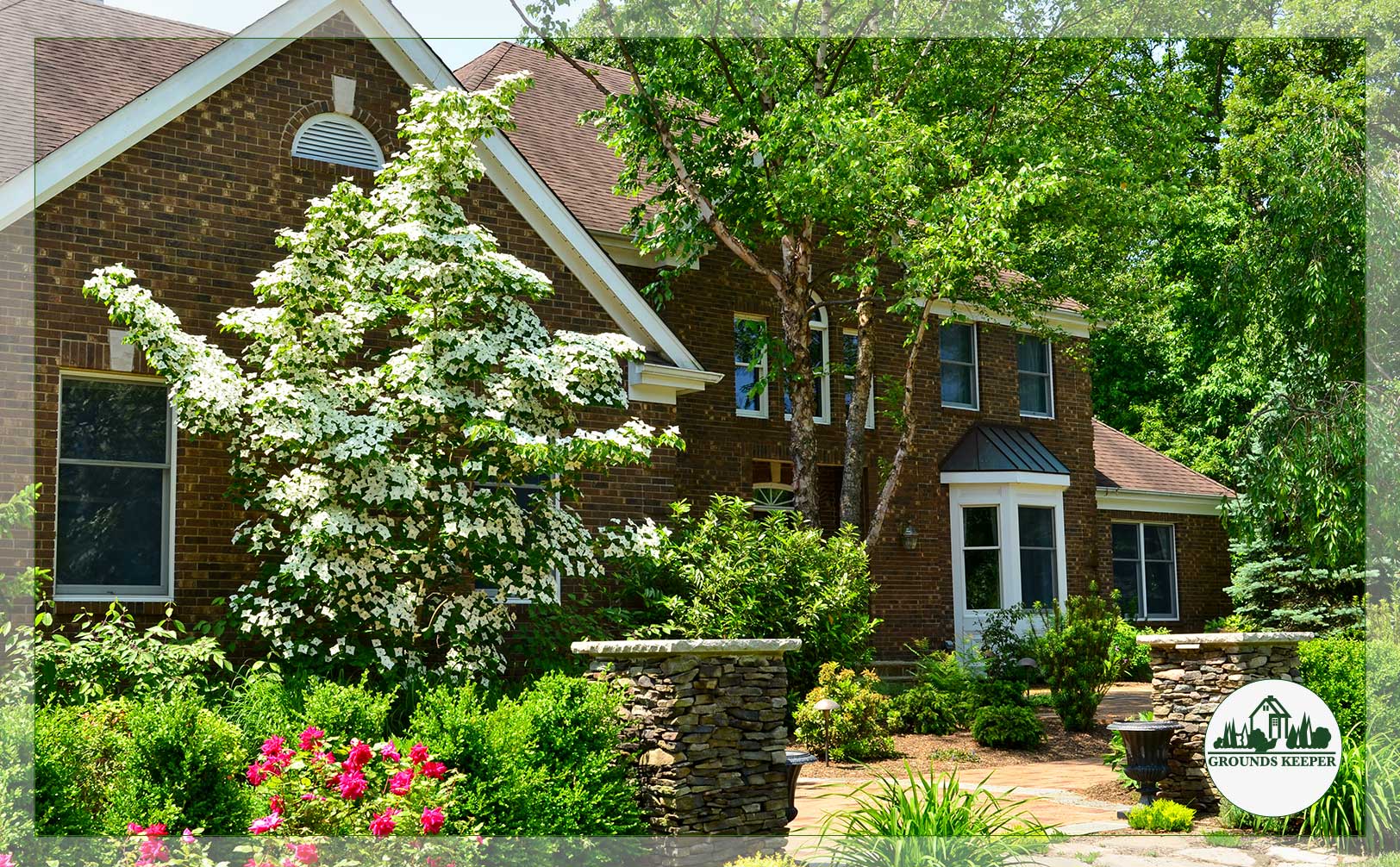
Naturalistic design changes that relationship. It replaces micromanagement with stewardship. It still requires care, but not the constant, rigid control of ensuring every border is straight and every stray dandelion pulled. It does not ask for conformity in line or uniformity in color. And it gives you plenty of wiggle room to leave that fallen branch as part of the architecture, and allow that pile of leaves to become part of the ground cover.
It also frees you from the battles many homeowners know too well. The prized flower that refuses to thrive no matter how much attention it gets. The patch of stubborn shade where roots never quite take hold. The slope that erodes. The corner that always feels bare.
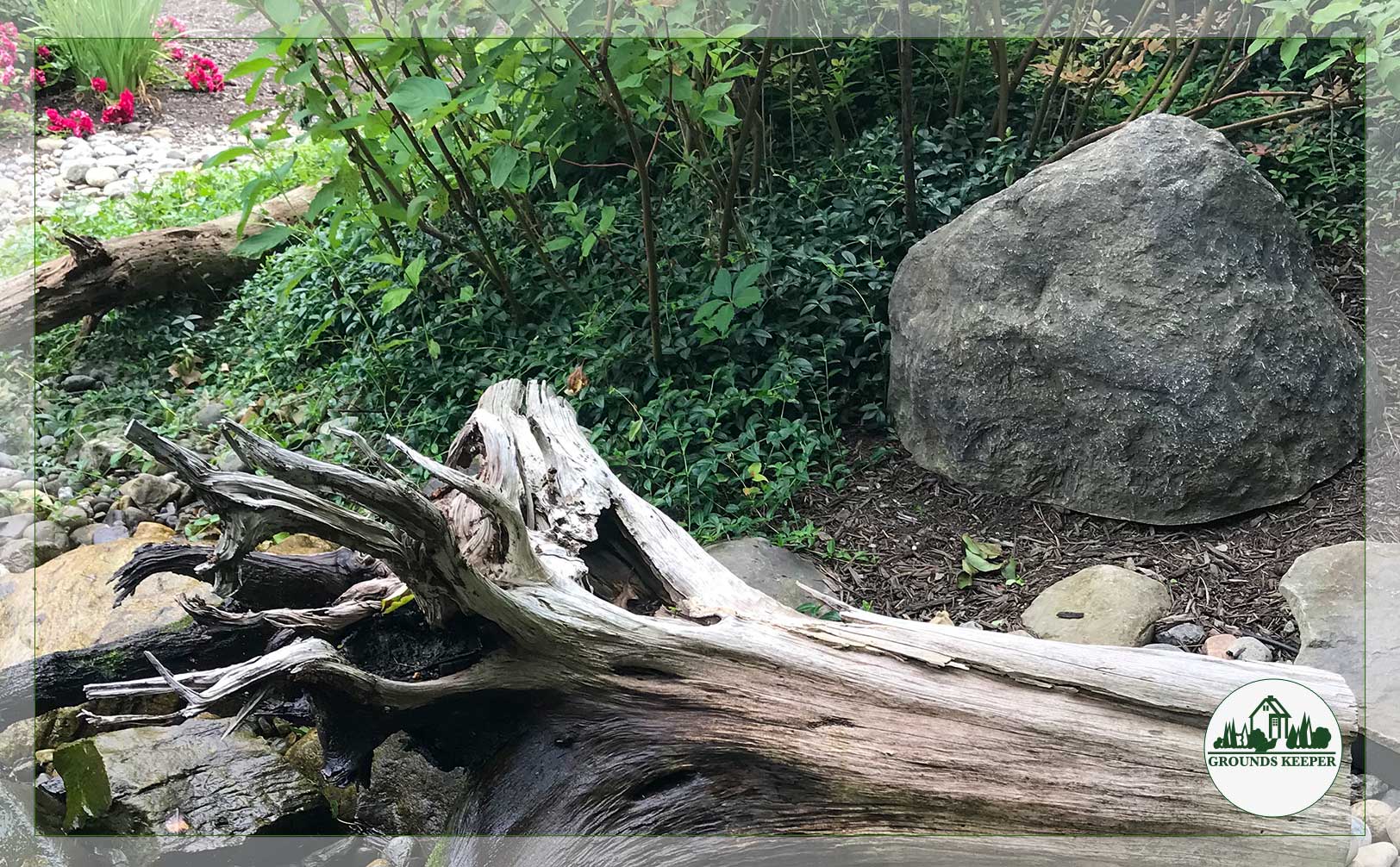 Rather than forcing a plant to succeed where it doesn’t belong, naturalistic design asks a different question: what wants to live here?
Maybe that sunny spot becomes a sweep of grasses adapted to heat and wind. Maybe the shady corner turns into a cozy seating area full of texture and depth. Maybe that difficult patch isn’t planted at all, but transformed into a natural stone garden, water feature, or a sculptural hardscape that feels intentional instead of apologetic.
Instead of chasing perfection, it embraces rhythm. July looks different from May. Some plants remain standing through winter for visual interest and wildlife habitats. Change is expected.
When you work with nature rather than against it, maintenance becomes easier. The garden stops being a series of problems to correct and becomes an ecosystem that supports itself.
For many homeowners, that subtle shift is tremendously freeing.
There is luxury in not obsessing over every blade of grass. Luxury in allowing seasonality do the work. Luxury in stepping outside and experiencing something that evolves rather than resets every week.
You’re not trying to dominate the environment. You’re collaborating with it.
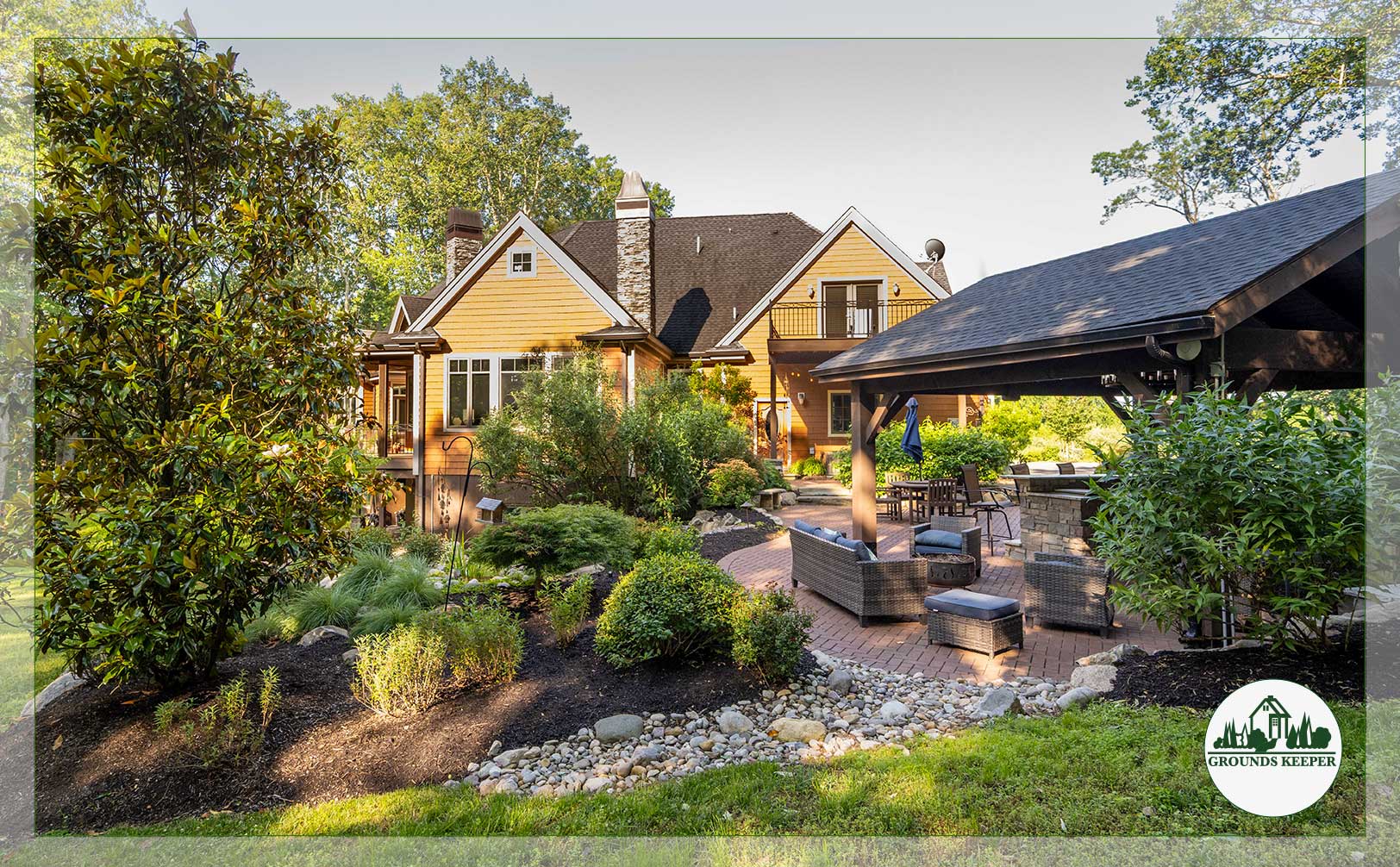 Designed For Living
Once a landscape has character, something interesting happens.
You stop looking at it and start stepping into it.
A path curves just enough to make you curious about what’s around the bend. A pair of chairs sits sheltered by grasses that sway softly in the breeze. A long table waits for family, not enclosed by a fence but by layers of texture and color that make the whole space feel like a room without walls.
Morning coffee tastes better when you’re surrounded by movement instead of monotony. A book stays open longer when you’re listening to wind in the reeds instead of a mower in the distance.
Entertaining feels different, too. Guests wander instead of hovering. Conversations linger over a warm fire or a chilled cocktail. Children explore.

And here’s the part most people miss: outdoor living is not a six-month hobby.
In early spring, you notice the first shoots peeking from the ground. In summer, butterflies float through blooming perennials. In autumn, leaves turn golden and luminous, glowing in the afternoon light. In winter, frost clings to seed pods and bare branches, turning the garden into a sculpture.
What was once just “the yard” becomes a front-row seat to the seasons. It invites you outside in January as confidently as it does in June. And it turns your property into more than a backdrop.
Instead of maintaining a yard, you begin living in it. And with fewer chores to keep it tamed into submission, you begin to enjoy it instead of merely laboring for it.
 Stand Apart
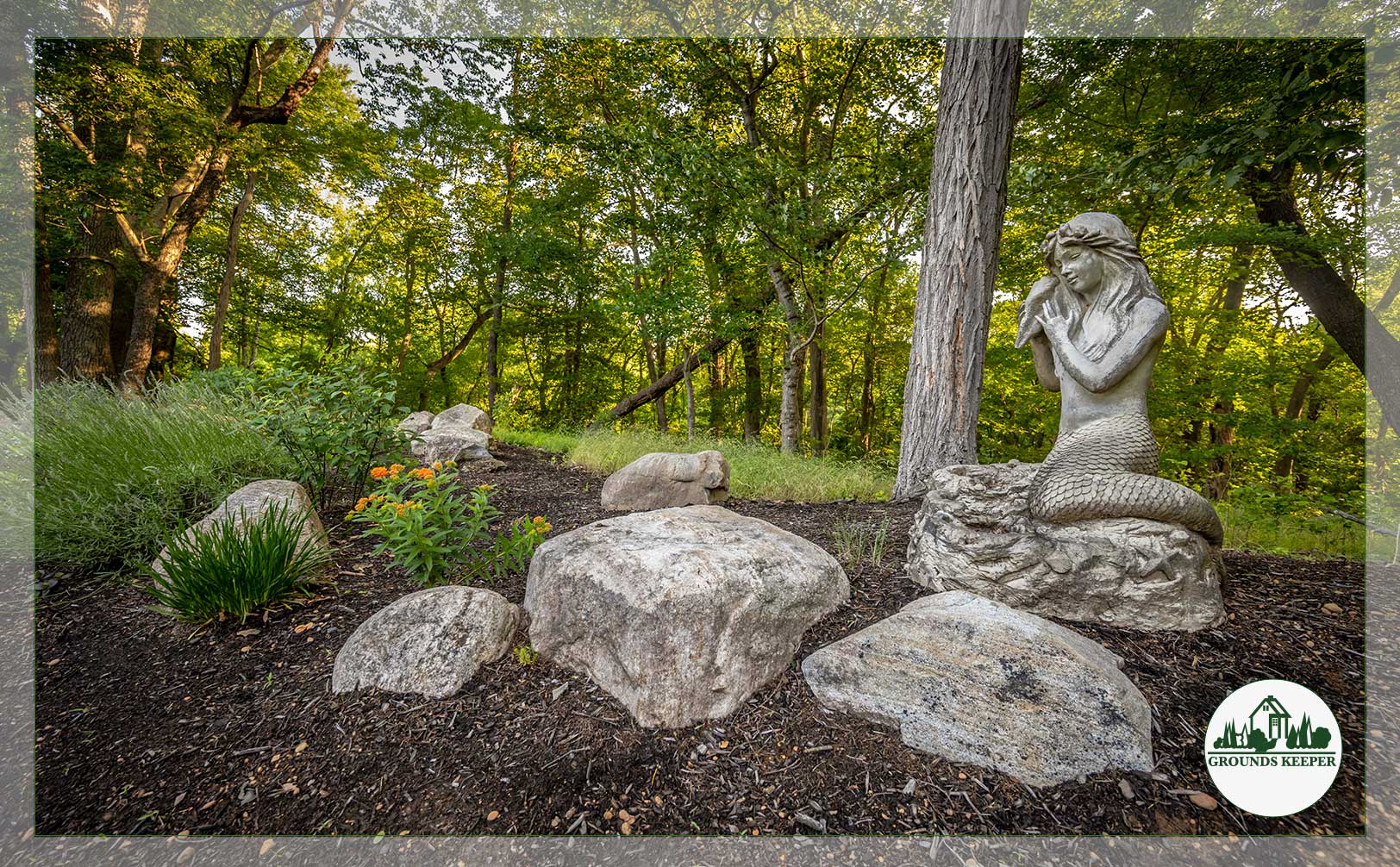
In neighborhoods where every lawn seems to follow the same script, a naturalistic landscape writes its own. It feels unmistakably individual. It says that you choose experience over expectation.
For decades, landscapes were outward signals to the rest of the world. Now, they’re inward sanctuaries.
A naturalistic landscape doesn’t ask you to lower your standards. It raises them. It asks more interesting questions. How do you want to feel when you step outside? What rhythms do you want your space to follow? What would it look like if your landscape reflected not just where you live, but how you live?
Someone may still slow down and wonder if you forgot to mow.
They’ll pause a moment.
And that’s exactly the point.
If you’re ready for a landscape with character, we’d love to help you imagine what’s possible. Not just a different yard, but a different way of living in the space around you.